The Story
Why it exists.
The beginning
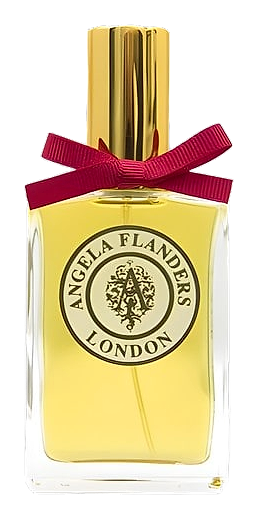
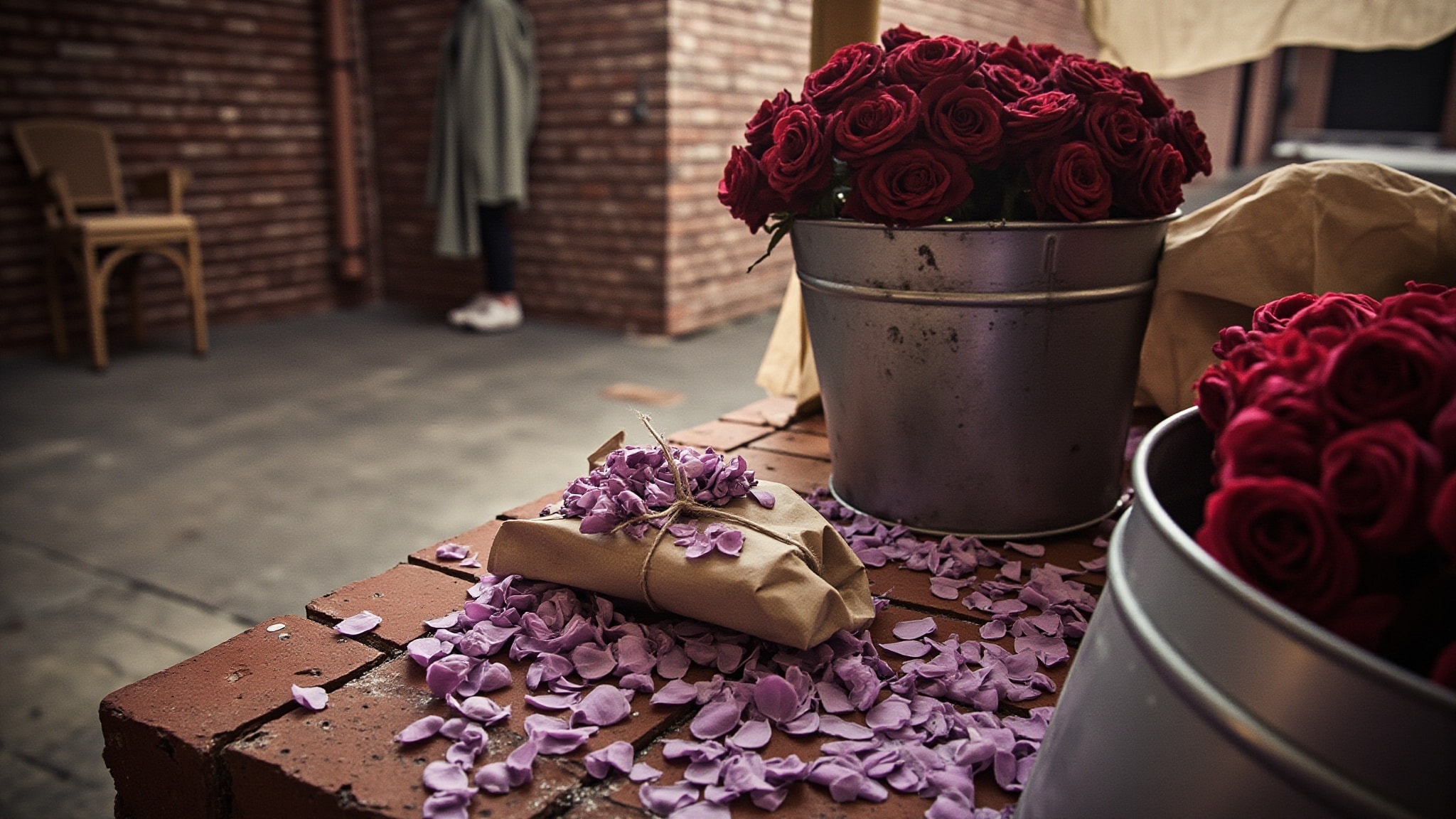
Columbia Rose arrived in 2015 as a tribute to three decades on Columbia Road, the East London street that has long been home to Angela Flanders's perfumery. The road itself is the inspiration, a place defined by its flower stalls, brick terraces, and the weekend ritual of blooms being unloaded beneath the shop windows. Angela named the fragrance for the location where her perfumery began, a self-taught perfumer and former costume maker who developed her craft in the company of flower vendors and their daily trade. Columbia Rose was composed as a love letter to the crimson roses that anchor those stalls, the deep-petalled, almost velvet-red varieties that carry the visual weight of a flower that has already been cut and already been loved.
The composition pulls the rose away from its usual bright, lifted register and pushes it somewhere heavier. Violet adds the powdery, almost cosmetic softness that makes the rose feel intimate rather than showy. Sandalwood grounds the structure, giving the florals something woody to lean against. Clove and patchouli arrive as the spice and shadow, with amber resin sealing the whole thing into something warm and persistent. On skin, the opening reads cool and slightly green from the violet, with the rose unfurling beneath rather than bursting on top.
The evolution
The opening is the softest part. Violet and a whisper of rose arrive almost together, powdery and slightly cool, like the air inside a vintage compact. There's no citrus lift, no bright spark. Just a gentle give. Within ten minutes the rose thickens, gaining body from the sandalwood underneath and a faint warmth from clove that you feel before you fully identify it. The heart stage is where the fragrance commits: the floral becomes velvety, the violet recedes into the background like a memory, and the woods step forward. Cedarwood and sandalwood carry the composition now, with rose still visible but no longer the headline. An hour in, the patchouli arrives. Not loud, not animalic, but present. The aged quality of it gives the drydown its real character: a dry, slightly sweet earthiness that sits close to skin and stays there. Six hours later, what's left is amber, sandalwood, and the ghost of that rose, woven into something that smells less like a perfume and more like the inside of an old wooden box lined with dried petals.
Cultural impact
Columbia Rose sits within London's small-batch perfumery scene as a rose composition that takes the flower seriously enough to let it get dark. Wearers tend to describe it as an off-season rose, a scent that wears as easily on a damp autumn afternoon as it does on a cool spring morning, pairing with wool and worn cotton rather than demanding silk and bright sun. Its appeal lies in its refusal to behave like a conventional floral: this is rose stripped of its greeting-card prettiness, repositioned as something with weight, shadow, and warmth.