The Story
Why it exists.
The beginning
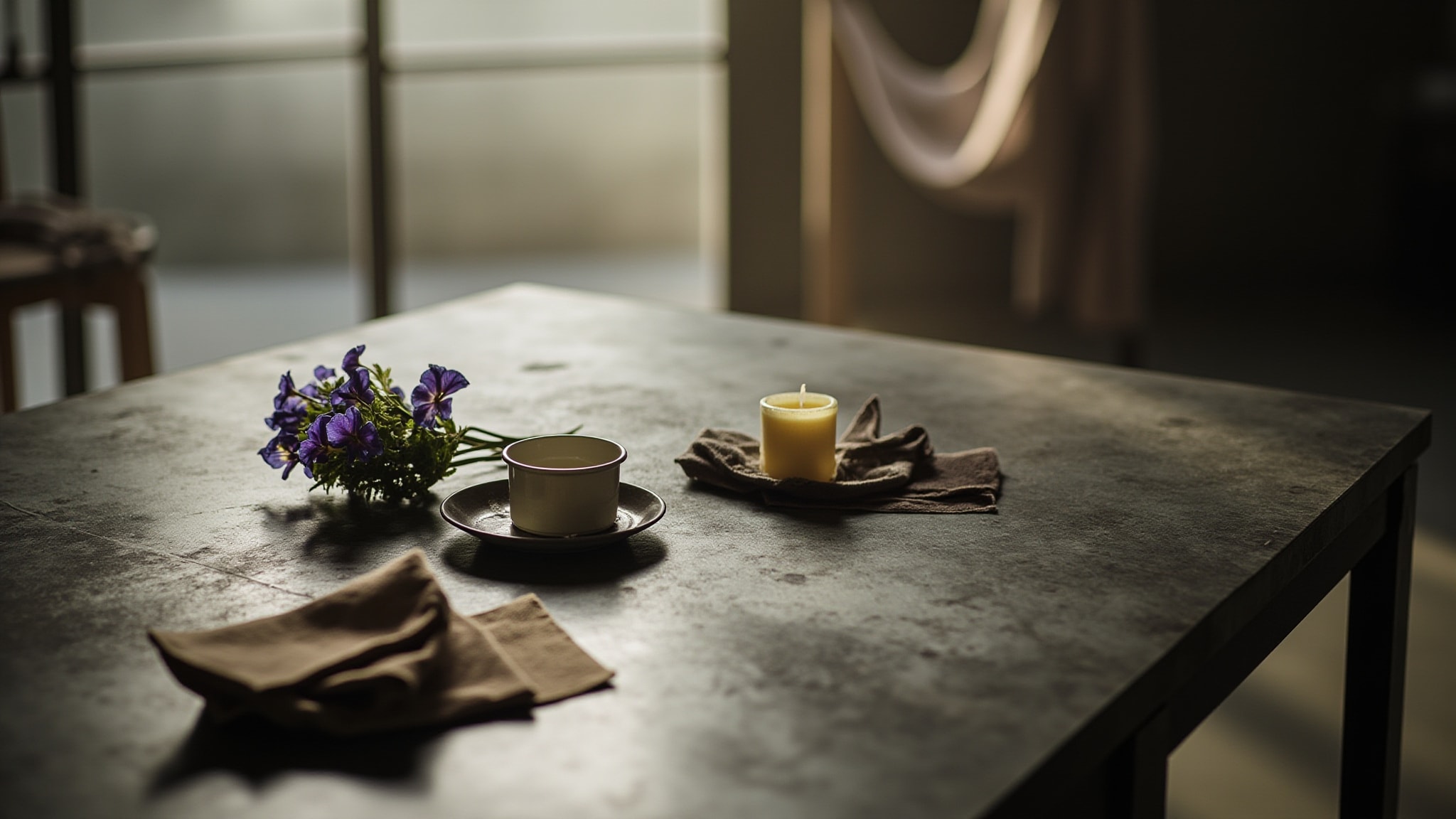
Josephine reads as a portrait painted in scent rather than history. The composition gathers spring violets at its center, with rose opening the bouquet and a base of oakmoss and cedar giving the whole thing somewhere to rest. On skin, the violet unfolds slowly, powdery and cool at first, then warmer as the rose rounds into it and the deeper notes begin to anchor the blend. There's an antique feeling to it without ever tipping into mustiness, the kind of green-mossy dryness that makes the florals feel grounded rather than gauzy. It wears close through the first hour, then settles into a soft violet-and-rose murmur with the woods humming underneath. Where many modern florals aim for brightness or transparency, Josephine commits to its shadows.
What makes this work is the restraint. Violet is a notoriously shy material, sweet and powdery, prone to vanishing into soapy nothing. Pairing it with rose gives it backbone and a slight tartness, while oakmoss and cedar pull the composition down toward something rooted and old. The structure borrows from classical perfumery, green chypre bones, but the proportions lean delicate rather than assertive. It's a violet composition that knows what it's about.
The evolution
The first half hour reads bright and green, violet leaf doing its cool, slightly bitter thing, a little like the skin of a grape before the sweetness arrives. The rose enters quietly, adding warmth and a powdered edge without ever shouting. After about ninety minutes the oakmoss takes over, and the whole composition shifts from flower to forest floor. The cedar stays present throughout, lending a dry, almost pencil-shaving quality to the base. Six hours in, what's left is a soft, mossy floral close to skin, the violet still faintly detectable but now more memory than statement. It doesn't project dramatically. It just stays.
Cultural impact
Josephine takes its place naturally among the classical violet compositions that have shaped the genre, sitting comfortably beside Guerlain's Après l'Ondée and L'Heure Bleue, and sharing quiet kinship with Frederic Malle's Iris Poudrée. What sets it apart is its refusal to chase those references or rearrange them into something fashionable. It simply belongs in that conversation. The violet here reads true to itself, powdery and green with a dewy coolness that never tips into candy or cosmetics.