The Story
Why it exists.
The beginning
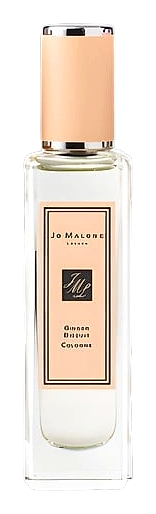
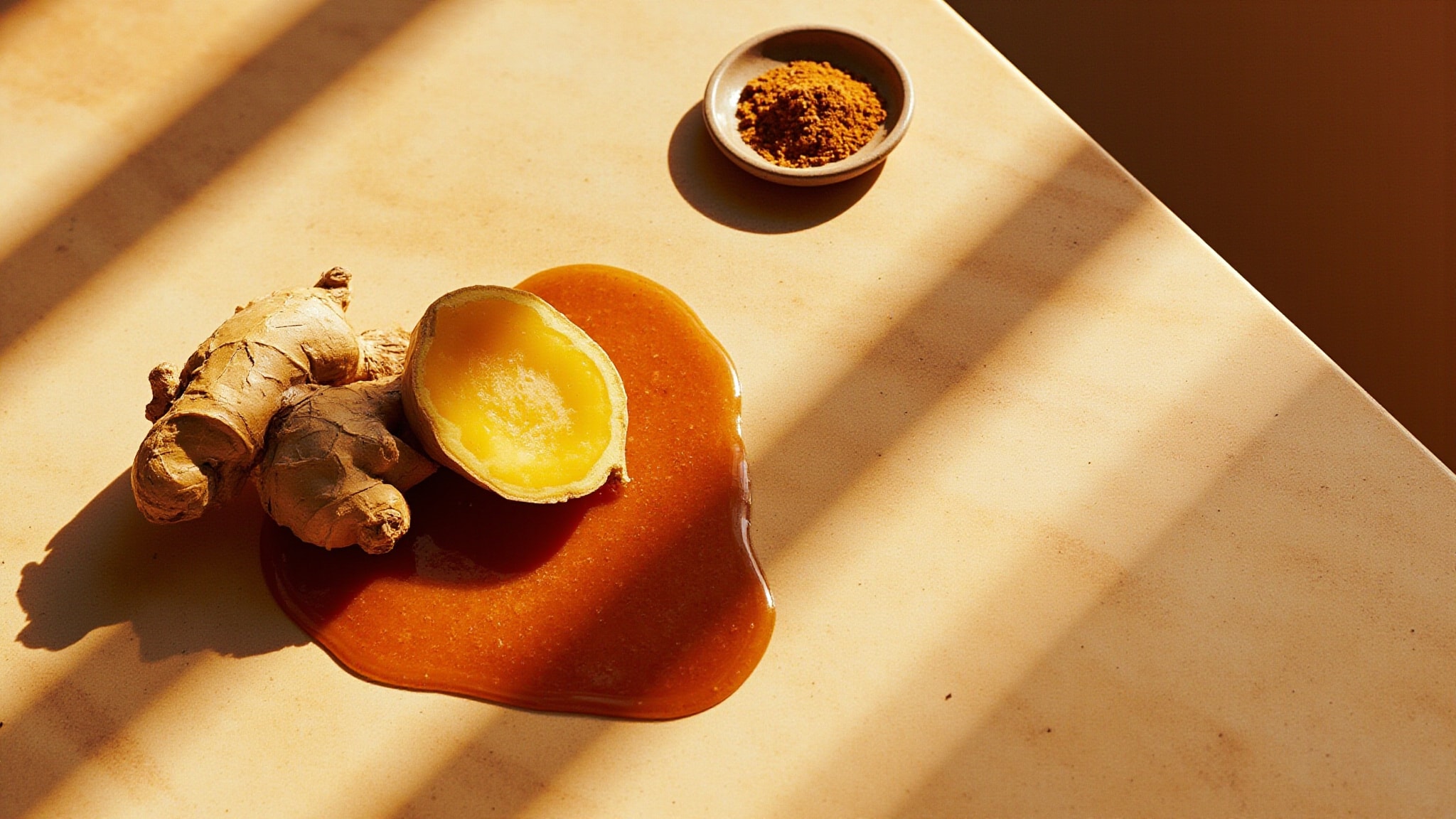
In spring 2013, Jo Malone London released the Sugar & Spice collection, five dessert-inspired fragrances signed by perfumer Christine Nagel. Ginger Biscuit captured the scent of just-baked cookies spiced with cinnamon, nutmeg, and ginger, dipped in caramel, with buttery toasted hazelnuts underneath. Christine Nagel built the composition around a specific tension: bright, clean ginger against soft, yielding caramel. The idea was to make gourmand feel energetic rather than heavy, to give warmth a pulse.
What makes Ginger Biscuit work is that the ginger doesn't disappear. In most ginger-heavy fragrances, the note fades after the opening and leaves vanilla and caramel to dominate. Here, the spice keeps threading through the drydown, quieter, but present. It keeps the fragrance from becoming a pure sugarbomb. The hazelnut adds a toasted, slightly bitter edge that balances the sweetness. Together, these materials create something that smells edible without being one-note. It's the difference between smelling like a bakery and smelling like frosting.
The evolution
The opening hits fast. Ginger and cinnamon arrive clean and sharp, no delay, no softening. Nutmeg settles beneath, adding warmth before you've even registered it. Within fifteen minutes, the caramel arrives, and the hazelnut follows, pushing the ginger back slightly without silencing it. This middle phase is where most people fall in love: warm, buttery, just-baked. The vanilla and tonka bean take over around the two-hour mark, and this is where the fragrance either wins you over or loses you, it goes quiet, close to the skin, intimate rather than announced. On fabric, it can last through an evening. On skin, expect four to six hours before it becomes a skin scent. The next morning, there's a faint sweetness left on clothes, like someone baked in the next room and the door stayed open.
Cultural impact
Ginger Biscuit arrived as part of Jo Malone London's 2013 Sugar & Spice collection, a group of five dessert-inspired fragrances that captured a particular cultural moment, the rise of gourmet perfumery and the appetite for scents that smelled like food without tipping into novelty. The fragrance has remained a seasonal favorite, reissued periodically to meet demand that never fully fades. Wearers describe it as the scent of someone who walks into a room and doesn't need to announce themselves, present, warm, remembered.