The Story
Why it exists.
The beginning
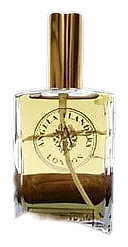
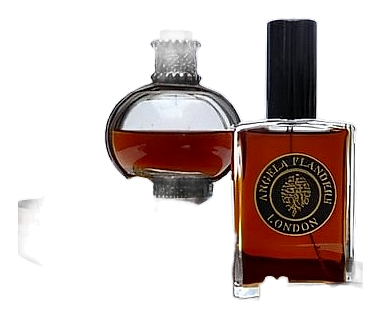
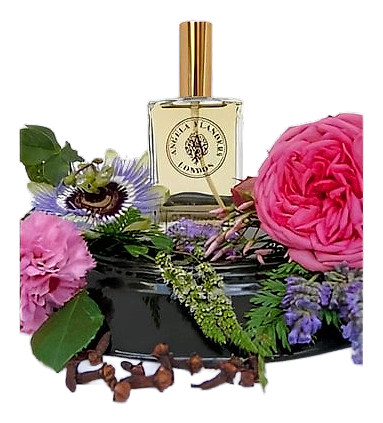
Ottoman arrived in 1997 from Angela Flanders, the London perfumer who had been quietly building her practice over the preceding years. By 1997, the house had spent more than a decade shaping its voice, and Ottoman felt like the first full statement of that voice. The name pulls toward the opulence of the Ottoman court, the weight of silk, the hush of a room lit by oil lamps. What Angela built instead was a quieter version of that opulence, something that brings the velvet down to a shoulder rather than a throne. The opening is dense and warm, rose landing first with a dusky sweetness that reads closer to dried petals than fresh ones. Violet threads through it, cool and slightly powdery, the kind of iris-rooted softness that settles onto skin rather than announcing itself.
What's interesting about Ottoman is the restraint beneath the richness. Rose and violet could easily tilt into syrupy territory here, but the composition never lets them. The rose is Turkish, which carries a deeper, more resinous weight than its Bulgarian counterpart, and it's offset by the cool powder of violet. Then the spices arrive. Cinnamon and clove, yes, but balanced by rosewood and cedar, which keep the heart from sliding toward confection. As the hours pass the spices soften and the woods take over, the dry warmth of cedar threading through the remaining rose.
The evolution
The opening is cool. Violet comes first, almost dusty, that powdery iris-adjacent note that reminds you of face powder in a compact you forgot you owned. Turkish rose follows within minutes, but it doesn't arrive sweet. It arrives bruised, the way rose petal looks at the end of its life rather than the peak of one. Thirty minutes in, the spices wake up. Cinnamon arrives with quiet heat, not aggressive baking-spice heat, but that warm, woody glow you get from the bark rather than the stick. Clove sharpens the edges. The rosewood underneath adds a creamy, almost pencil-shaving dryness that keeps the spices honest. This is the phase where the fragrance has weight without being loud. Still close to skin, still polite, but the room around you starts to notice. The drydown is where Ottoman earns its reputation. Patchouli comes forward, an aged, slightly chocolatey patchouli rather than the sharp green stuff. Incense threads through it. The amber settles in like a second skin, warm and golden.
Cultural impact
Ottoman occupies a particular corner of the orientals landscape, a dusky, spice-laden composition built for evenings and cooler weather rather than for warm-weather brightness. Its appeal lies in its architecture rather than its projection, the way the florals lift while the base holds them in place. The fragrance rewards wearers who appreciate structure and texture over immediate impact, those who prefer a scent that unfolds slowly across the hours rather than announcing itself in the first minute. It reads as a winter or transitional-season composition, the kind of warmth that pairs naturally with heavier fabrics and indoor settings.