The Story
Why it exists.
The beginning
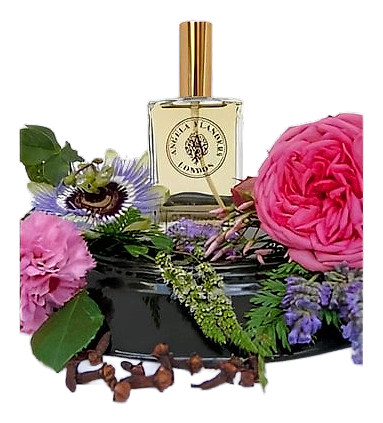
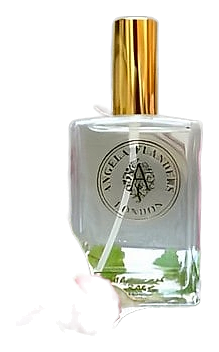
Moroccan Rose, released in 2003, reaches somewhere specific with intent. This composition is an ode to a single bloom, stripped of the usual floral scaffolding that surrounds most rose-led fragrances. Where other perfumers bury the flower beneath supporting architecture, Flanders isolates it, lets it occupy the center without competition from brighter citrus or darker resin. The result reads as a study in concentration rather than complexity. You smell the rose as a thing in itself, not as the middle passage between a top note and a base. There's a discipline here that feels unusual for the category, almost architectural in its refusal to dilute the central material.
Geranium leads, pulling the sweetness sideways before it arrives in full. The green sharpness of the leaf cuts against the honeyed weight of the rose, keeping the composition from tipping into confection. Ambrette sits beneath, musky and seed-like, grounding the bloom with an earthy warmth that reads almost animalic at close range. The restraint here is the point. Flanders doesn't smother the rose in musk or drown it in amber; she lets it breathe in its own company, which is rarer than it sounds for a flower this commonly used.
The evolution
The first ten minutes are surprisingly sharp. Geranium does the talking, almost herbal, almost medicinal, like rubbing a leaf between your fingers and inhaling the green. Then the Moroccan rose announces itself, not timidly. It enters rich, almost jammy, with a honeyed thickness that fills the space around you. Somewhere in the second hour the ambrette and musk start their quiet work, coaxing the rose downward into something warmer and more private. The drydown is where this earns its keep. Sandalwood smooths the edges, lending a creamy softness that rounds the sharper geranium from the opening. Patchouli grounds the composition without taking it dark, offering a dry, rooty depth that anchors the rose to something real. Tolu balsam adds a faint caramel warmth, a resinous sweetness that catches on skin and cloth.
Cultural impact
Rose and geranium share a long, intertwined relationship in the broader tradition of botanical perfumery. The pairing of the two has deep roots, and the oils have been valued alongside one another for their complementary qualities: the lush sweetness of the flower tempered by the leafy, peppery sharpness of the geranium. This combination speaks to a domestic and craft tradition where these plants were processed together, valued for how they rounded each other out. Angela Flanders works within this pairing without overcomplicating it, letting the two notes speak to each other in plain terms.