The Story
Why it exists.
The beginning
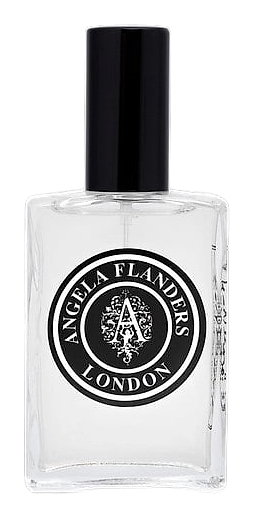
Before Guerlain bottled cologne. Before 4711 owned German apothecary counters. There was Hungary Water. One of the oldest written recipes in perfumery, it was adopted by the Hungarian court and became a reference point for centuries of European fragrance making. Angela Flanders pulled it into her Artillery Collection in 2003, treating the historic aromatic formula with the same seriousness she'd give any living composition. The Artillery line exists as a numbered series, and this is number three. No reinvention for the sake of reinvention. A respectful, modern retelling of one of perfumery's oldest written compositions, the kind of work that asks you to listen to what herbs and citrus can do when you stop burying them under resin and heavy florals.
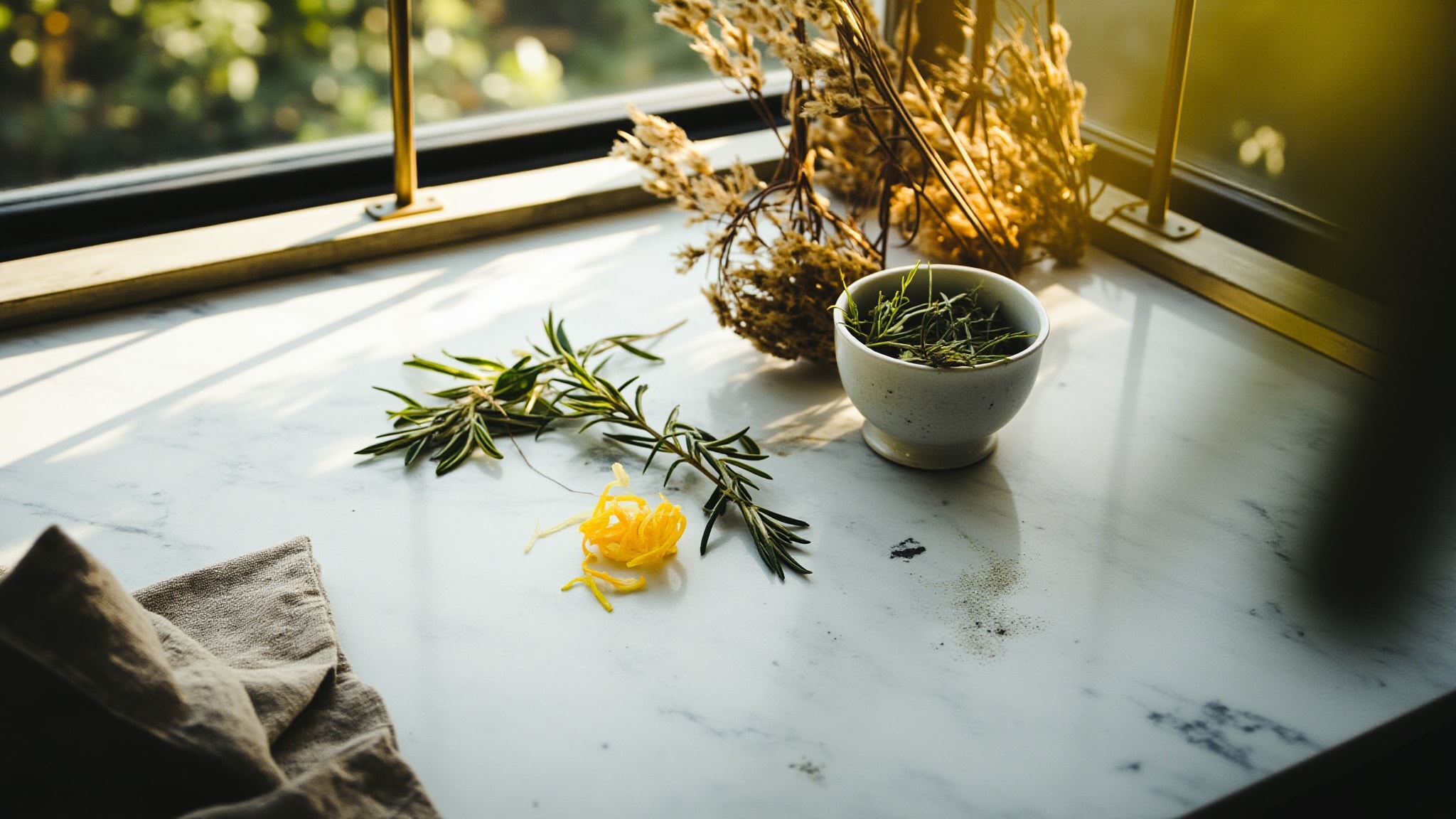
Hungary Water's enduring appeal rests on a simple idea: herbs and citrus, sharpened and set against each other with enough space to breathe. Flanders leans into that structure without ornament. Lemon balm, mint, and rosemary carry the entire composition. Rose appears as punctuation, a single thread sewn through the herb garden rather than a bouquet competing with it. It's a formula that respects green notes enough to let them speak in full sentences, letting rosemary's resinous clarity and mint's cool sweetness do the heavy lifting while citrus zest brightens the edges.
The evolution
The opening feels like tearing a sprig of rosemary between your fingers and holding it beneath your nose. Sharp, green, almost medicinal. Lemon zest arrives immediately, not as a polite suggestion but as actual citrus oil, vivid against the herbal coolness. The mint hums underneath, cool without menthol burn, a counterweight to the rosemary's resinous bite. As the composition settles, the rose opens, a single flower placed inside the herb garden rather than a bouquet competing with it. Lemon balm takes over from the zest, warmer and more herbal, less like fruit, more like leaf and stem after rain. This middle phase holds remarkably well for an eau de toilette, the herbs staying audible throughout rather than fading into skin. The drydown is where the fragrance reveals its quiet truth. It doesn't go sweet. It doesn't go woody.
Cultural impact
Hungary Water is one of perfumery's foundational recipes, an early aromatic composition whose influence runs through centuries of European fragrance making. Angela Flanders' 2003 interpretation sits among modern revisitations of historic formulas, rendered through her own hands and her own instincts rather than a corporate brief. The wearer tends to be someone who values clarity over complexity, who finds more poetry in an herb garden than in a luxury department store.