
The Story
Why it exists.
The beginning
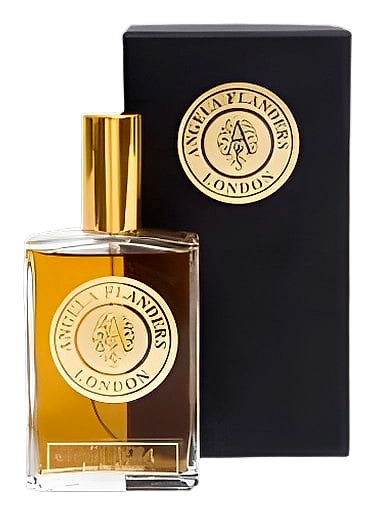
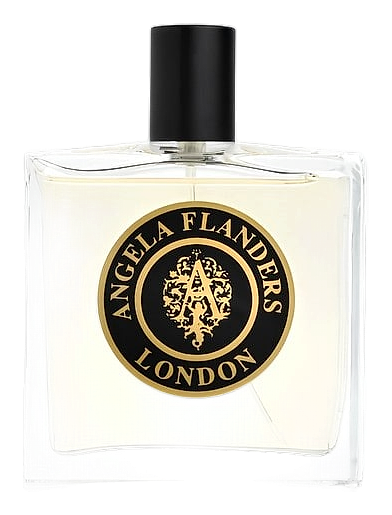
In 2025, perfumer Kate Evans received a brief from Angela Flanders to translate an unusual material into scent. Raw shantung silk, with its characteristic sheen and slight roughness, presented a creative challenge. The house, founded in East London in 1985, has always drawn inspiration from the neighborhood's artisan heritage and the nearby Columbia Road flower market. Kate Evans approached the challenge by focusing on the luminous quality of the fabric rather than attempting to recreate its texture directly. The resulting composition needed to capture that interplay of light and matte, which informed her choice of bright citrus top notes contrasted against warm, creamy base materials.
The note philosophy behind Shantung Dream pairs opposites deliberately. Neroli and petitgrain offer an initial crispness that contrasts with the creamy warmth of the fig and gardenia heart. The amber and sandalwood base grounds what could otherwise feel fleeting. Kate Evans selected these materials for their ability to layer and transform over time. Petitgrain, derived from orange tree leaves and twigs, brings an aromatic quality that connects the bright opening to the floral heart. The fig note bridges two worlds: the citrus opening and the warm drydown. Each material serves a purpose in creating that interplay of light and depth that shantung silk embodies.
The evolution
The scent journey of Shantung Dream mirrors the way light moves across shantung silk. Neroli and petitgrain arrive as a sharp, clean brightness, like morning light catching a bolt of pale fabric. As the citrus fades, gardenia and jasmine take center stage, their lush petals unfolding in the heart. Fig adds a quiet sweetness that keeps the florals grounded, preventing them from becoming delicate. The drydown represents the silk's weight and warmth against skin. Amber and sandalwood provide a soft, luminous base, while tolu balsam and tonka bean create depth. Ambrettolide adds that final quality of warmth that makes the scent feel worn rather than sprayed. The arc moves from lightness to richness, from brightness to intimacy.
Cultural impact
Shantung Dream has quickly become a reference point for modern white‑floral compositions, inspiring a wave of fragrances that seek to blend bright citrus with tactile amber bases. Its launch in 2025 sparked discussions among perfumers about the role of texture in scent storytelling, leading to works hops and panels at major fragrance conferences. The fragrance’s silk‑inspired narrative resonated with designers, influencing runway shows that paired couture with subtle scent diffusions, and it has been cited in academic papers exploring the intersection of olfaction and material culture. This cultural ripple demonstrates how a single perfume can shape both industry trends and broader aesthetic conversations.