The Story
Why it exists.
The beginning
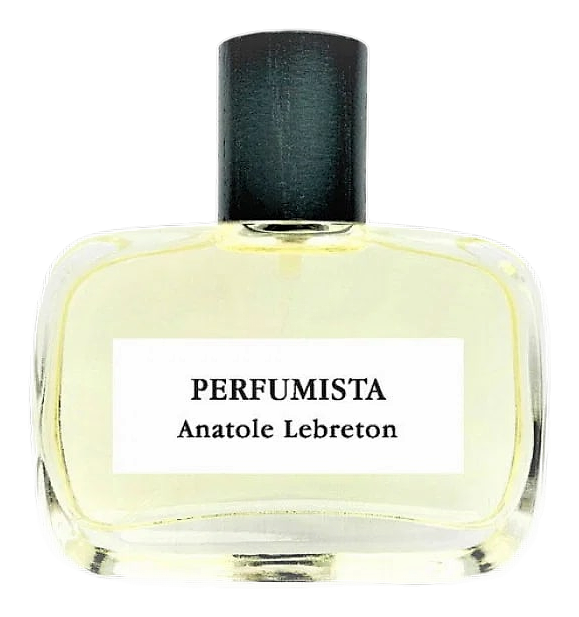
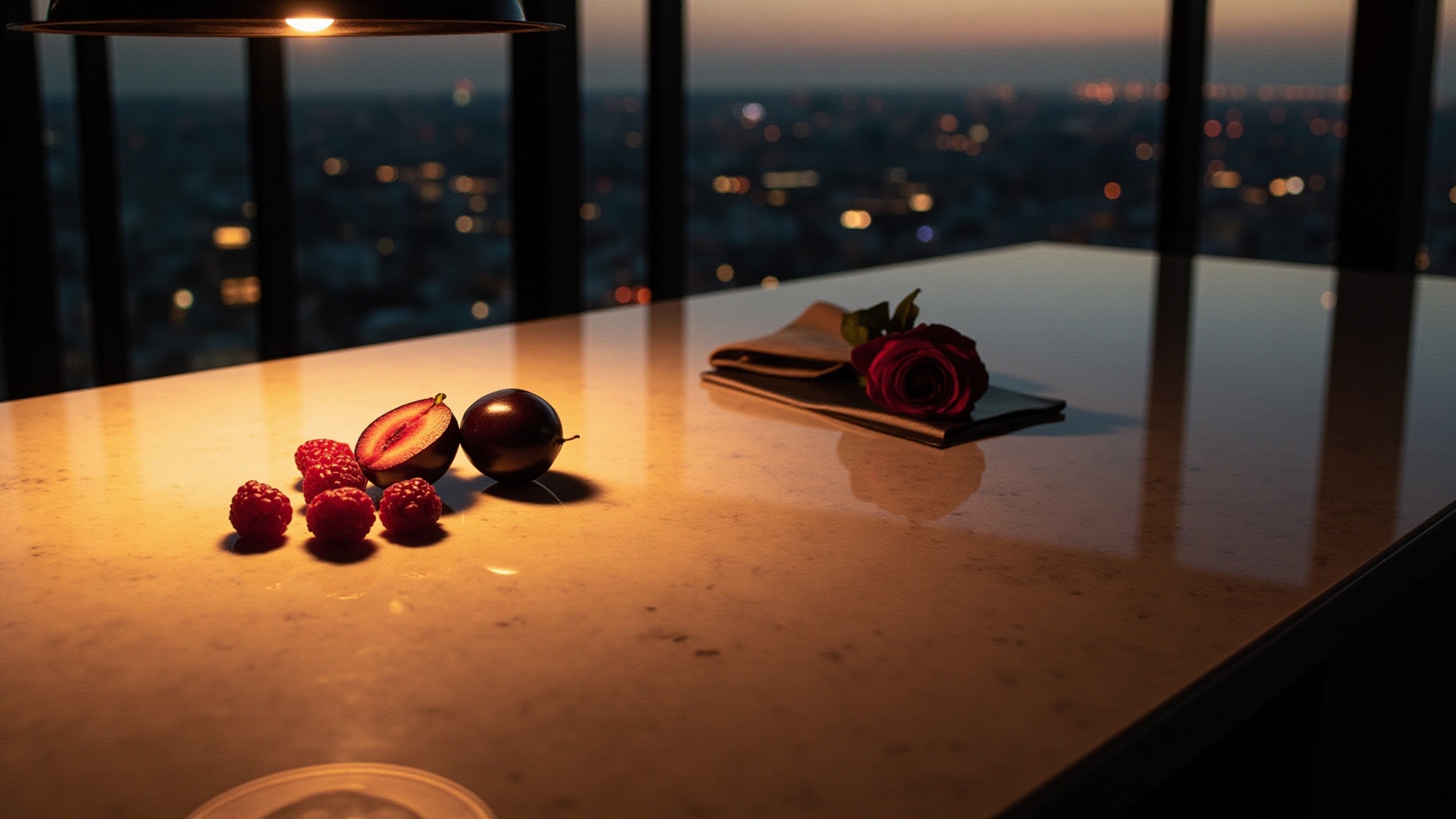
Perfumista arrived in 2019, and the name says everything. This is Anatole Lebreton's ode to the craft itself, the perfumer as enthusiast, nose as reader. Not a love letter to a person or a place, but to the act of smelling with intention. The brand calls it Floral-Chypre-Fruity, and the structure delivers exactly that: pear, plum, raspberry bright at the top, then Bulgarian rose, jasmine, and patchouli taking the wheel. Cedar and Peru balsam close the door behind you.
A chypre built on fruit instead of the usual citrus-bitter handshake is already an interesting bet. The raspberry-plum-pear opening is generous, almost confectionery, and that's the trick. The patchouli and Peru balsam don't fight it; they let the sweetness stay sweet while adding gravity underneath. Bulgarian rose over jasmine auriculatum gives the heart a creamy, almost honeyed texture, layering without the sharper edges you might expect from a white floral.
The evolution
The opening hits generous and unapologetic, almost jammy in its density. Plum and raspberry arrive together like fruit compote poured over pear, and it's genuinely sweet, not fresh, more dessert than salad. Then the rose steps in and changes the temperature, softening the edges and pulling the composition somewhere warmer. The jasmine hums underneath, and the patchouli starts drawing the sweetness downward, grounding the whole thing with an earthy weight. As the fruit recedes, a warm floral-woody phase takes over, and the rose feels like it's been dusted with something rich and faintly gourmand. The drydown is where Perfumista earns its place in a longer wear cycle: Peru balsam and cedarwood settle into a close, resinous skin scent that lingers well beyond the initial spray.
Cultural impact
Perfumista sits at an inviting point in Anatole Lebreton's lineup, offering chypre architecture without the usual austerity. It appeals to wearers who want the genre's depth delivered through a fruit-forward lens that feels current, generous rather than severe. The composition has a way of converting skeptics who think chypre means bitter oakmoss and little else, because here the fruit does the welcoming and the patchouli does the grounding. It's a bottle that often shows up as a recommendation when curious noses ask where to begin with the house, a friendly introduction that doesn't talk down to anyone.