The Story
Why it exists.
The beginning
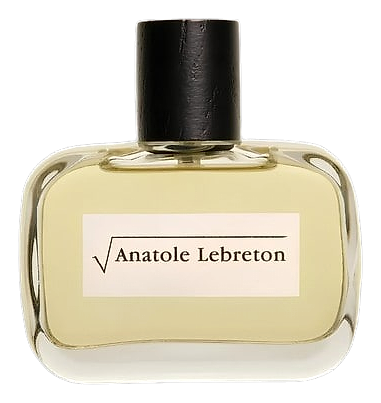
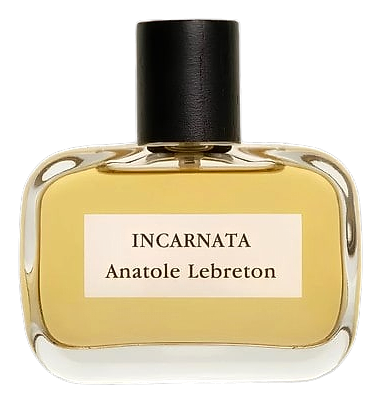
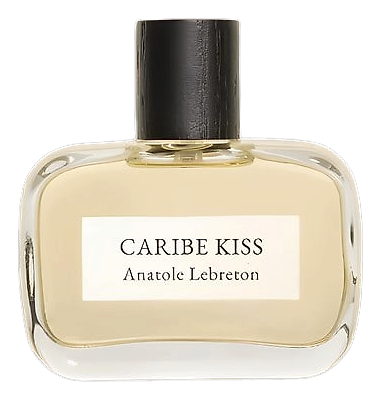
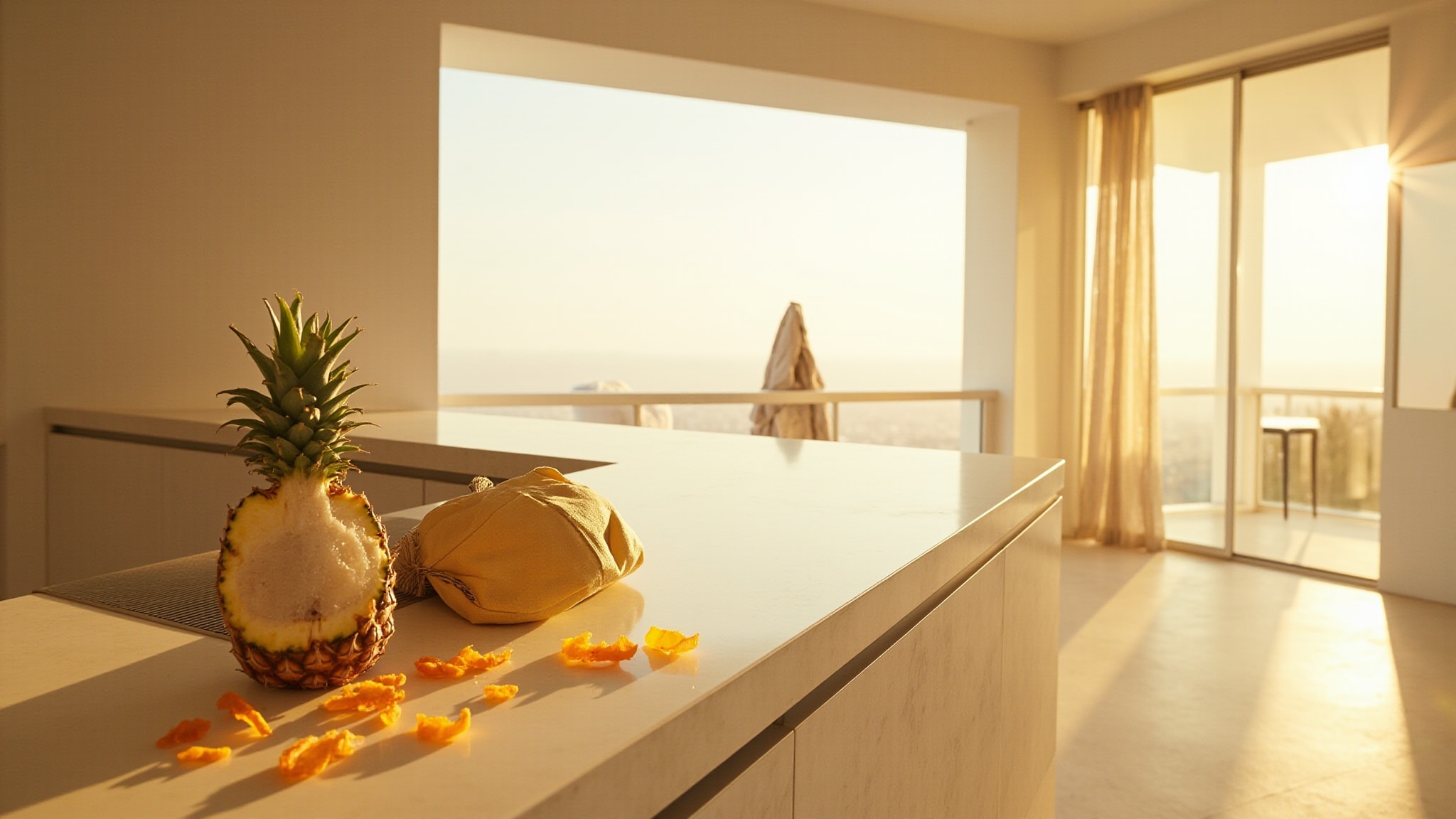
Caribe Kiss takes its name from the Caribbean, but not in the abstract. The reference is specific: the Caribe Hilton Hotel in San Juan, Puerto Rico, where bartender Ramón "Monchito" Marrero first blended the piña colada in 1954. Coconut water, pineapple, rum. A cocktail that became a landmark. Anatole Lebreton translated that moment into scent, not the drink itself, but the atmosphere around it. The heat, the relief, the particular brightness of afternoon light on a veranda. It's escapism with a provenance.
What makes Caribe Kiss distinctive is what Anatole Lebreton does with the tropical genre. Instead of leaning into synthetic sweetness or sunscreen tropes, he builds the composition around white floral absolutes, tuberose and jasmine sambac, that give the coconut and pineapple a creamy weight they rarely carry. The mate in the base is the unexpected move here. It introduces a faint bitterness, a green tea-like austerity that prevents the fragrance from becoming purely dessert. The result is a tropical that feels considered rather than automatic, a vacation scent with somewhere to go after arrival.
The evolution
The opening is bright and immediate. Coconut water and pineapple arrive together, effervescent, with a brief flash of green mandarin that keeps things from going flat too quickly. Within minutes the florals begin their takeover. The tuberose doesn't creep in, it asserts. Jasmine sambac softens the edges, rounds the transition. By the time you hit the first hour, you're in the heart of it: creamy, lush, tropical without apology. The drydown takes its time. Mate and tonka bean arrive late, tempering the sweetness with something almost astringent, almost warm. On fabric, this lingers past twelve hours. On skin, expect a solid eight to ten before it fades to skin-close whispers.
Cultural impact
Caribe Kiss carves out space in the niche market for tropical fragrances that take themselves seriously. While the genre is often dismissed as seasonal novelty, this Anatole Lebreton composition draws on the house's literary independence, references to a specific place, a specific moment in cocktail history. The Piña Colada origin story gives it cultural texture beyond the typical beach-fragrance territory. It appeals to wearers who want the feeling of escape without sacrificing complexity.