
The Story
Why it exists.
The beginning
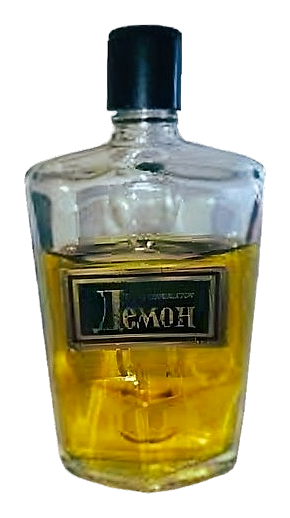
Демон was launched in 1964 by perfumer Naprienko R.A. The name, meaning Demon, lends this men's fragrance a distinctive identity that can be read as alluring, theatrical, and slightly unsettling beneath its polished surface. Its structure belongs to the classic chypre register, beginning with aldehydes, bergamot, orange blossom, and lemon before opening into a layered floral heart. That pairing is the point. The bright, immaculate surface suggests control, while castoreum, civet, oakmoss, vetiver, and resinous base materials introduce a more shadowed kind of magnetism. Naprienko's composition doesn't need baroque imagery to explain the title.
The unusual part is how many registers meet without becoming a costume. Aldehydes lend a polished, silvery brightness, while bergamot and lemon sharpen that polish into vivid citrus. Orange blossom connects the opening to a full floral center, but ylang-ylang, clary sage, linden blossom, lavender, jasmine, violet, and rose keep the heart from becoming sweet. Below it sits a distinctly textured base: castoreum and civet bring an animalic edge, ambergris gives mineral richness, and styrax and tolu balsam add resinous depth. Oakmoss, sandalwood, musk, and vetiver anchor the whole structure with dry earth and wood.
The evolution
The opening arrives with an almost lacquered gleam. Aldehydes put a cool sheen over bergamot, lemon, and orange blossom, bright and formal, like polished metal catching winter light. As that brightness softens, the fragrance unfolds into lavender, clary sage, jasmine, rose, violet, ylang-ylang, and linden blossom. The heart feels generous but controlled, floral without losing its aromatic edge, with the citrus brightness gradually giving way to a softer, more layered floral warmth. Then the composition turns inward. Oakmoss and vetiver bring dry green earth, while castoreum, civet, ambergris, styrax, and tolu balsam deepen the animalic and resinous shadows. Sandalwood, tonka bean, and musk smooth the base into something polished and wearable. The drydown lingers as a close, woody and powdery trace, more suggestive than shouty, remaining present without becoming heavy or dominant.
Cultural impact
Демон takes its character from the contrast within the composition itself. A lucid, formal opening of aldehydes, bergamot, lemon, and orange blossom gives way to an abundant floral heart, while oakmoss, vetiver, castoreum, civet, ambergris, and resinous materials create a deeper, more shadowed register. The name meaning Demon adds another dimension to that tension, though its effect remains a matter of interpretation. For discovery, the fragrance is best approached through its changing structure: fresh and polished at first, richly floral through the middle, and dry, woody, animalic, and powdery in the close scent that lingers on skin.
The House
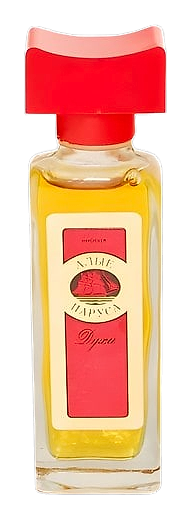
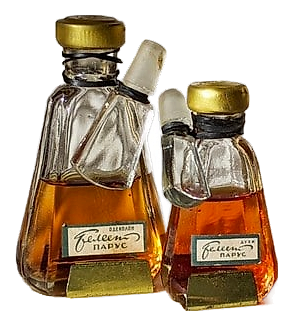
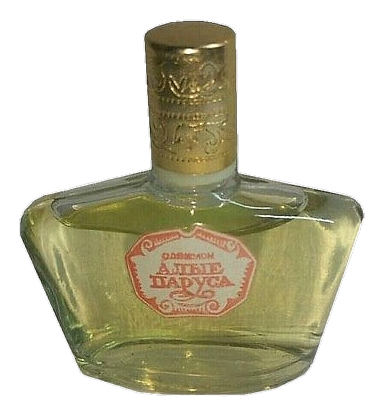
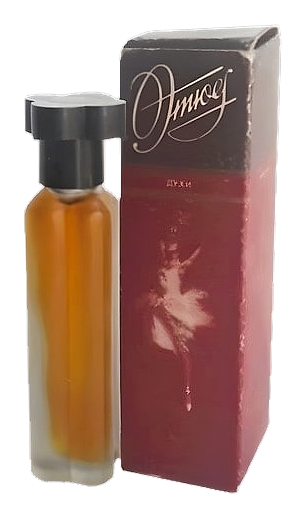
Алые Паруса (Alye Parusa)Алые Паруса (Alye Parusa) is a Soviet-era fragrance house whose name translates to 'Scarlet Sails,' drawn from Alexander Green's 1922 novella and its enduring romantic symbolism. Operating from the Soviet Union, the brand produced accessible eau de colognes, parfums, and women's fragrances across several decades, with documented releases spanning from at least 1960 through the early 1980s. The house offered both mass-market colognes like 'Марс одеколон' and more complex feminine compositions such as 'Этюд,' reflecting the breadth of Soviet perfumery during a period when state-affiliated producers supplied the majority of the domestic fragrance market.
The Creator
Naprienko R.A.There are not enough verified creations in the record to define R.