The Story
Why it exists.
The beginning
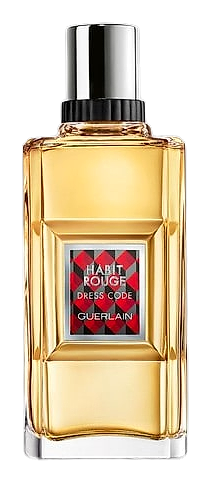
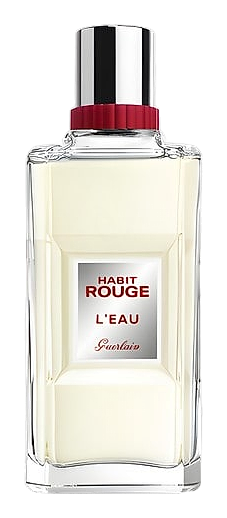
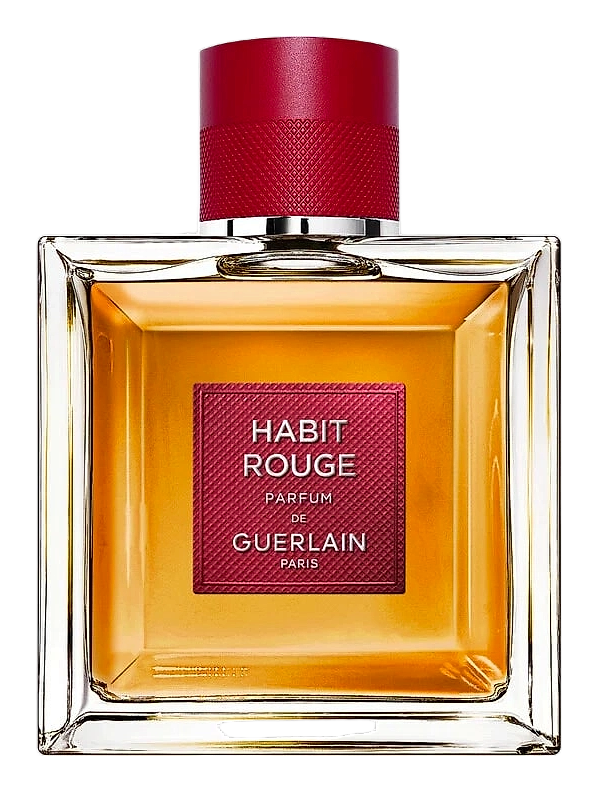
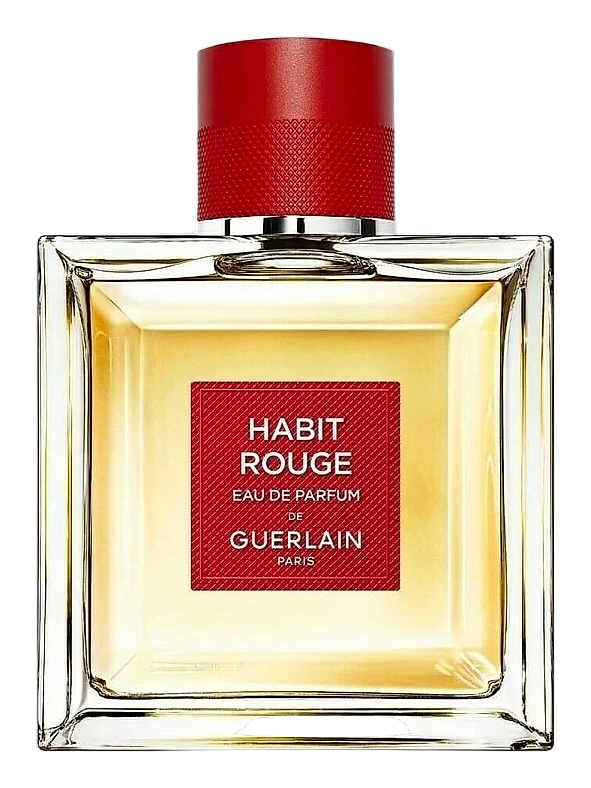
Habit Rouge began as an ambery fragrance designed for men in 1965. The name refers to the red jackets worn by riding instructors, that distinctive flash of authority and tradition. By 2003, the original concept was reimagined as an Eau de Parfum, taking the same spirit and giving it more substance, higher concentration, and deeper wear.
The structure is unusual in the best way. It opens with a crisp citrus trio including orange, lemon, and bergamot that feels almost aristocratic before jasmine and neroli arrive to soften everything into something almost powdery. Then the base takes its time. Vanilla doesn't just appear, it builds. Leather doesn't shout, it settles. Patchouli gives it earth. Oud gives it weight. The result is a pyramid that actually evolves, hour by hour, rather than simply fading.
The evolution
The first hour: citrus-forward, bright, almost formal. The lemon is sharp, the bergamot clean. Neroli adds a slight orange blossom sweetness that keeps it from feeling too austere. The second and third hours bring a hand-off. Jasmine emerges as the bridge, bringing floral warmth to the citrus cool, something almost delicate before the base arrives. From hour four onward, vanilla and leather take over. The drydown is where Habit Rouge earns its reputation. Warm, resinous, slightly animalic, the oud doesn't dominate but it anchors everything that came before. Patchouli keeps it grounded. The whole thing doesn't so much evaporate as exhale.
Cultural impact
Habit Rouge occupies a singular position in masculine perfumery. It was the first oriental created for men, appearing on lists of essential masculine fragrances for decades after the original launch and longer still after the EDP arrived. Its influence can be traced through how other houses have approached warm, amber, and leather-forward men's fragrances since.