The Story
Why it exists.
The beginning
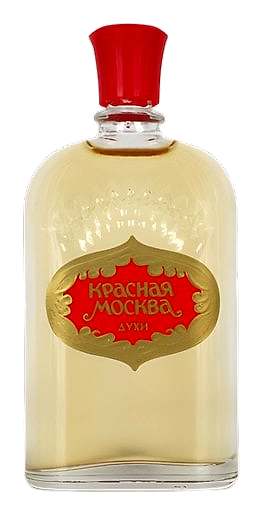
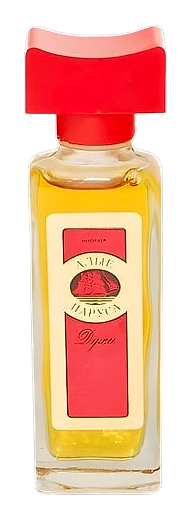
Alye Parusa launched its eponymous cologne during the 1960's. The house took its name from a novella whose romantic symbolism threaded through the brand's entire output: Lighthouse Lights, The White Sail, Shipwrights. The brand list also includes a fragrance called Assol, suggesting that literary characters and maritime themes run through the lineup as recurring sources of inspiration. This particular composition reads as a portrait of waiting, floral, opulent, suspended in amber. The opening is dense with jasmine and carnation, both spicy and creamy, settling into a layered heart where rose meets ylang-ylang's tropical sweetness. Labdanum and seagrass give the mid-stage an earthy counterweight, something almost saline and mossy that keeps the sweetness in check.
What makes this composition unusual is the tension between its competing elements. Jasmine, carnation, rose, and ylang-ylang stack into a yellow-and-white floral density that feels deliberately layered. Then labdanum and seagrass introduce something stranger: an earthy, almost briny undertone that grounds the sweetness. The base of benzoin, civet, and amber locks it onto skin with animalic warmth. It's not subtle, but it's built with intention.
The evolution
The opening belongs to jasmine and carnation, bright and slightly peppery, the kind of white floral that feels almost edible. Then the rose arrives, full and dense, with ylang-ylang adding a banana-skin sweetness that softens everything. Cedar and labdanum move in as the composition progresses, and the scent shifts from floral to warm, resinous, almost honeyed. Eventually, the civet takes over, not loudly, but unmistakably, lending a fur-coat warmth that sits close to the skin. The amber and benzoin carry the final hours in a soft, sweet, slightly powdery drydown. What lingers isn't the florals but the civet-amber base, a warm, musky trace that reads more like skin than like perfume. The carnation's clove-spice fades early but leaves a faint impression in the background, while the rose deepens into something darker and more textured as the hours pass.
Cultural impact
This fragrance pushed beyond simple freshness into denser, more complex floral territory. The inclusion of civet and seagrass marked it as something distinctive, notes rarely combined in such generous proportion. The composition rewards attention, revealing new facets with each wearing. The unapologetic warmth of its construction, that dense floral heart resolving into animalic base notes, has earned it appreciation among collectors of vintage Russian releases. It's a fragrance that refuses to fade quietly, and that stubbornness is part of its appeal.