The Story
Why it exists.
The beginning
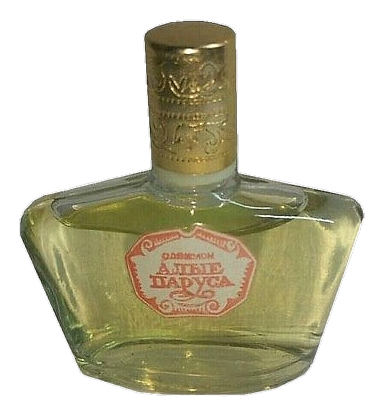
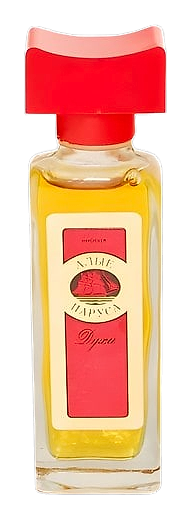
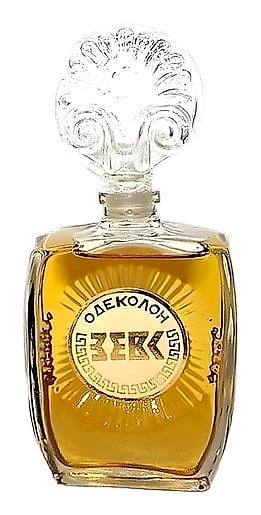
Zeus arrived in 1980, created by Victoriya Rudyavskaya for the Soviet house Alye Parusa. The name belongs to a tradition of literary and classical references, Scarlet Sails from Alexander Green's novella, Lighthouse Lights, The White Sail. Zeus fits the pattern: Greek mythology translated into Soviet fragrance vocabulary. But choosing that particular name meant something. The king of the gods arrived in a bottle, carrying centuries of myth and legend into the context of state-run perfumery. It was a bold move, placing something so overtly classical alongside the practical, often understated fragrances of the Soviet era. The name suggested grandeur, power, a whiff of something ancient and timeless, translated into the language of Soviet fragrance making.
The note pyramid is where the real story lives. Lavender leads, expected for a masculine scent of that era. Galbanum and geranium follow, green and resinous, keeping things sharp and herbal. Then the surprise: gardenia in the heart. Gardenia is not a masculine note. It's tropical, creamy, almost indolic, a white floral that belongs in vintage women's fragrances, not in a fragrance named after a sky god. But here it is, threaded through heliotrope and carnation, adding a powdery sweetness that the base extends with coumarin, patchouli, and sandalwood. The effect is a scent that refuses to be fully one thing. Aromatic, yes. Woody, yes. But also floral. Also powdery. Also slightly sweet.
The evolution
The opening announces itself with lavender's cool herbal bite, sharp and immediate, like crushed stems. Galbanum adds a green resinous edge, almost medicinal. Geranium follows, bringing a rosy-green nuance that lifts the top without softening it. The hand-off to the heart is gradual. Gardenia emerges slowly, creamy and tropical, its white floral sweetness in direct tension with the green opening. Heliotrope deepens the softness with vanilla-almond undertones. Carnation adds warm spice, clove-like but restrained. The heart reads powdery, unexpected for a masculine scent, but that's the point. It softens without losing presence. The drydown settles into woody territory: sandalwood's creamy warmth, patchouli's earthy depth, musk's skin-like closeness. The entire powdery-aromatic structure holds close to the skin, intimate rather than projecting, fading gradually into quiet skin presence.
Cultural impact
Zeus presented something different from the typical Soviet masculine scent. Its powdery-aromatic structure broke from conventions, incorporating unexpected elements in its composition. The gardenia in the heart gave it an unusual floral softness, a characteristic that set it apart from more traditional masculine fragrances of the period. For those who encounter this scent now, it offers a window into what Soviet perfumers were willing to attempt. The fragrance demonstrates range and ambition, showing that even within the constraints of state manufacturing, there was room for creativity and risk.
The House
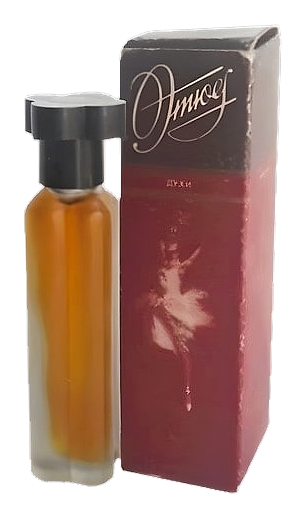
Алые Паруса (Alye Parusa)Алые Паруса (Alye Parusa) is a Soviet-era fragrance house whose name translates to 'Scarlet Sails,' drawn from Alexander Green's 1922 novella and its enduring romantic symbolism. Operating from the Soviet Union, the brand produced accessible eau de colognes, parfums, and women's fragrances across several decades, with documented releases spanning from at least 1960 through the early 1980s. The house offered both mass-market colognes like 'Марс одеколон' and more complex feminine compositions such as 'Этюд,' reflecting the breadth of Soviet perfumery during a period when state-affiliated producers supplied the majority of the domestic fragrance market.
The Creator
Victoriya RudyavskayaHer signature lies in the soft-focus floral, compositions built around white and golden petals anchored by gourmand or nutty undertones. Orange blossom appears as a recurring anchor, lending her work a radiant, almost skin-like quality.