
The Story
Why it exists.
The beginning
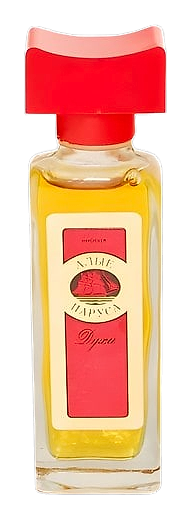
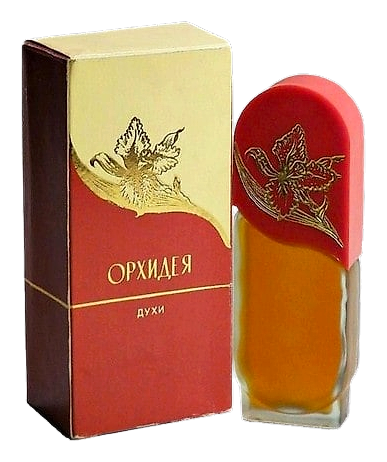
Orchid arrived in 1990, a product of the Soviet fragrance industry and perfumer Victoriya Rudyavskaya's vision. The timing matters, late Soviet era, when state factories still produced scent for the everywoman rather than the boutique collector. Rudyavskaya chose orchid as her subject not for its exotic rarity but for its quiet intimacy, the flower that blooms in windows and whispered rooms rather than tropical jungles. The name did the work the notes couldn't: a single word carrying all the romantic aspiration of the brand's namesake novella, where red sails meant hope against all odds. Here, orchid meant something softer, a private fantasy worn close.
What makes this composition interesting is the way it builds from familiar materials into something cohesive. Heliotrope and vanilla create the powdery sweetness you'd find in dozens of period florals. Sandalwood and musk anchor them. But the addition of orchid, that waxy, slightly animalic note, adds a dimension that keeps the powder from becoming flat. Fruity notes drift through like a memory of summer glimpsed through winter glass. It's not revolutionary. It's simply assembled with care, the kind of craftsmanship that doesn't announce itself.
The evolution
The opening announces itself quickly, heliotrope's almond-marzipan sweetness arrives first, soft and immediate. The vanilla doesn't rush. It builds underneath, a cream that rounds the edges as the fruity notes fade.
Cultural impact
Orchid by Alye Parusa emerged in 1990, a pivotal year for Soviet perfumery as the state-controlled system began dissolving. This fragrance represents a transitional moment when domestic brands competed directly with imported Western products for the first time. Its powdery-floral character reflects Soviet consumer preferences that favored warm, comforting scents over trendy Western florals. The fragrance survived the economic upheaval of the 1990s, becoming a cult favorite that generations of Russian women associate with their mothers and grandmothers. Its continued production demonstrates how certain scents become embedded in cultural memory, functioning as olfactory markers of a specific time and place in post-Soviet history.
The House
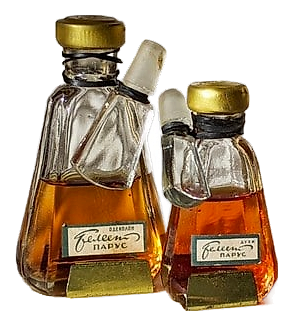
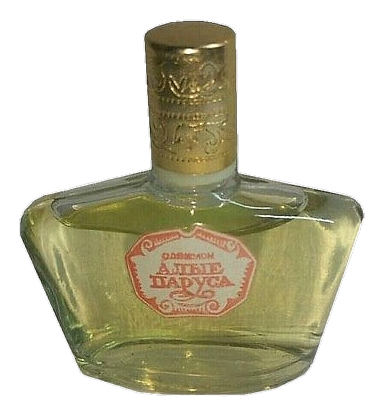
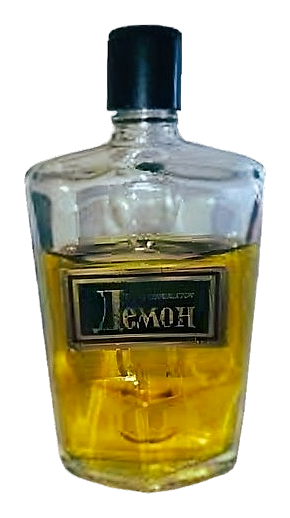
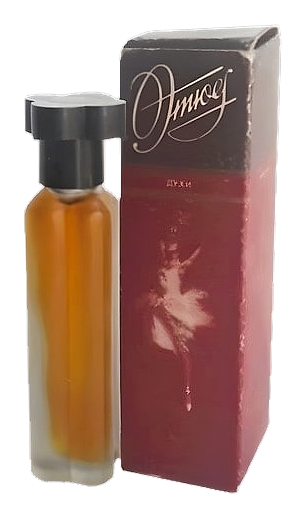
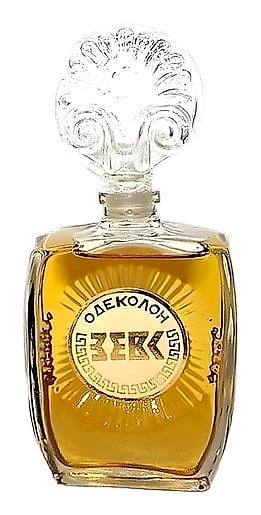
Алые Паруса (Alye Parusa)Алые Паруса (Alye Parusa) is a Soviet-era fragrance house whose name translates to 'Scarlet Sails,' drawn from Alexander Green's 1922 novella and its enduring romantic symbolism. Operating from the Soviet Union, the brand produced accessible eau de colognes, parfums, and women's fragrances across several decades, with documented releases spanning from at least 1960 through the early 1980s. The house offered both mass-market colognes like 'Марс одеколон' and more complex feminine compositions such as 'Этюд,' reflecting the breadth of Soviet perfumery during a period when state-affiliated producers supplied the majority of the domestic fragrance market.
The Creator
Victoriya RudyavskayaHer signature lies in the soft-focus floral, compositions built around white and golden petals anchored by gourmand or nutty undertones. Orange blossom appears as a recurring anchor, lending her work a radiant, almost skin-like quality.