The Story
Why it exists.
The beginning
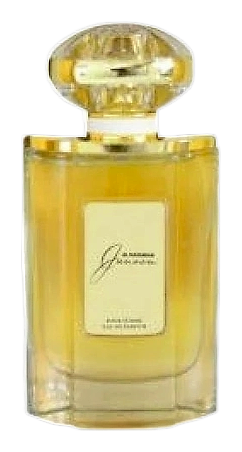
Marjan draws its identity from a woody-spicy composition shaped by Al Haramain Perfumes, a house with roots in oriental perfumery stretching back through the latter half of the twentieth century. The brand built its name on a foundation of resin, wood, and the kind of slow-burning warmth that rewards patient wear. Marjan sits firmly in that tradition, opening with a bright burst that quickly gives way to deeper, more grounded territory. Cedar and patchouli form the spine, while resinous notes lend a sticky sweetness that clings to skin for hours. As the hours pass, the warmer base notes rise, and the fragrance settles into something close to a second skin: rich, comforting, and unmistakably weighted toward the cooler side of the calendar.
The pyramid leans heavily on oriental territory at every layer. Oriental notes bookend the composition, present in the opening, the heart, and the base, creating a continuous thread of resinous warmth rather than a single moment of it. Gurjun balsam and cypriol add a smoky, almost tar-like depth beneath the more familiar cedar and patchouli. The result is a fragrance that reads less like a progression and more like a single sustained chord, one that doesn't need a dramatic twist to hold attention.
The evolution
The first 15 minutes are almost disarmingly bright. Bergamot, orange, and lime cut through with a clean sharpness, and lavender softens the edges. It's the lightest Marjan ever gets. Then rose arrives alongside the woody notes, and the citrus recedes like someone dimming a lamp. By the two-hour mark, the base is fully in command: amber, cedar, cypriol, gurjun balsam, and patchouli close ranks. The warmth deepens rather than fading, settling into a dense, resinous drydown that reads as much warmer than the opening suggested. On fabric, the woody-spicy character can still surface a full day later.
Cultural impact
Marjan fits naturally within Al Haramain's woody-spicy catalogue, a family of compositions built around resinous warmth, wood, and the kind of slow-developing depth that oriental perfumery is known for. The profile places it among fragrances that prioritize lasting comfort and traditional note structures, making it a natural choice for anyone drawn to oud-heavy or incense-driven scent wardrobes. The composition wears close to the skin in the opening hour, then opens up as the heart notes settle, releasing a smoky, slightly sweet resin character that lingers well into the evening.