The Story
Why it exists.
The beginning
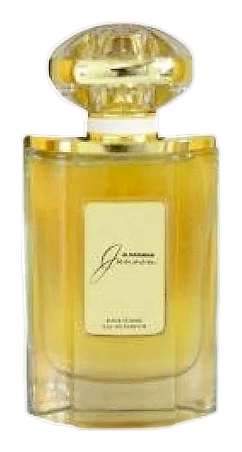
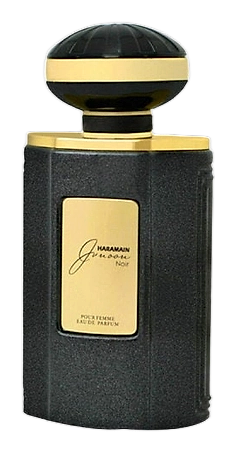
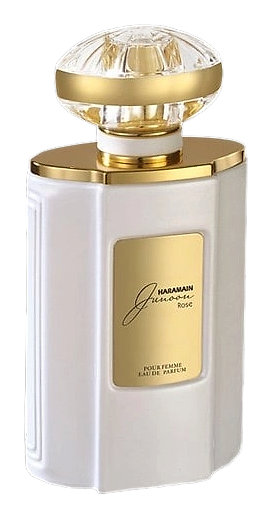
Junoon Rose was launched as part of a trio within Al Haramain's catalog, designed for the wearer who wants powdery floral richness without the heavy oud architecture that dominates the Middle Eastern fragrance landscape. The brief seems to have been: floral, yes, but with something to say beyond sweetness. The composition opens with delicate cherry blossom and tart bergamot, immediately establishing a bright, feminine quality. As the top notes soften, the heart reveals powdery florals that blend seamlessly with warmer undertones, creating a layered effect that keeps the wearer discovering new facets.
The combination of amaretto and suede is what makes Junoon Rose stand apart. Amaretto in perfumery is a challenge, it can tip into cough-syrup territory if not balanced. Here, it's been positioned against powdery florals and a leather base that keeps the sweetness honest, the bitterness useful. The suede works as a moderating force: it absorbs some of the floral amplitude without killing it entirely, creating a drydown that smells like the fabric of a jacket, not just the scent of flowers.
The evolution
The first spray hits bright and tart, cherry blossom and bergamot moving fast. Within minutes the amaretto arrives, and with it the bifurcation begins. Some people catch the bitter almond first; others notice the powdery bloom rising alongside it. Both arrive at the same place: a warm, creamy heart that lasts the longest. The suede doesn't announce itself so much as settle under everything, by hour three it's the dominant impression on skin. On fabric, it outlasts everything else. The projection softens considerably as the hours progress, transitioning from a noticeable presence to a intimate skin scent that rewards closeness. Those with particularly warm skin chemistry may find the drydown lingers well into the evening, while others will notice the scent settling into fabric and clothing long after it fades from skin.
Cultural impact
Junoon Rose has built a following among wearers who want the richness of Middle Eastern perfumery without the heavy oud DNA that characterizes much of the category. The fragrance has found appreciation among those who enjoy powdery florals, a note that divides opinion in the way all polarizing notes do. For some, the powdery element is precisely what draws them back to the bottle again and again, finding comfort and familiarity in its gentle embrace. For others, it becomes the reason they reach for something else.