The Story
Why it exists.
The beginning
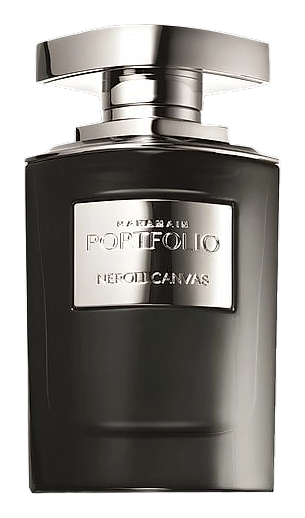
The name says it: Canvas is the backdrop, neroli is the subject. Al Haramain built Portfolio Neroli Canvas in 2018 as a study in what white florals do when they're given room to breathe, no heavy base dragging them down, no aquatic accord diluting the natural smell of orange blossom and petitgrain in the same place at the same time. The brief was clarity. The result is a fragrance that smells like a specific moment rather than a general impression: the first hour after sunrise when the garden is still wet and the air hasn't warmed enough to flatten anything yet. It's built to be worn, not analyzed, though it rewards both.
What makes this work is the restraint in the base. Most white floral fragrances reach for sandalwood or vanilla to anchor the neroli, rich materials that shift the character toward sweetness or creaminess. Here, cedarwood does the work instead. It's dry, faintly resinous, and carries the neroli in a different direction: not warmer, but more structured. Musk and amber round the edges so the cedar doesn't become austere, but they never overwhelm the heart notes. The result is a fragrance that reads as clean without ever reading as soapy, a distinction that matters more than it sounds.
The evolution
The opening is bright and assured: bergamot and lemon arrive in concert, with petitgrain threading through as a green, slightly bitter counterpoint that prevents the citrus from tipping into sweetness. This is the confident phase, making its presence felt without becoming aggressive. As the composition evolves, neroli gradually surfaces, it does not displace the citrus but works alongside it, layering floral depth that softens the architecture without diluting the brightness. Orange blossom joins the transition, and for an extended period the fragrance lives in this space: white floral over citrus over green. Cedarwood arrives quietly, giving the composition somewhere to settle and grounding the entire structure. Musk and amber contribute warmth, but the character remains dry and woody rather than sweet or gourmand.
Cultural impact
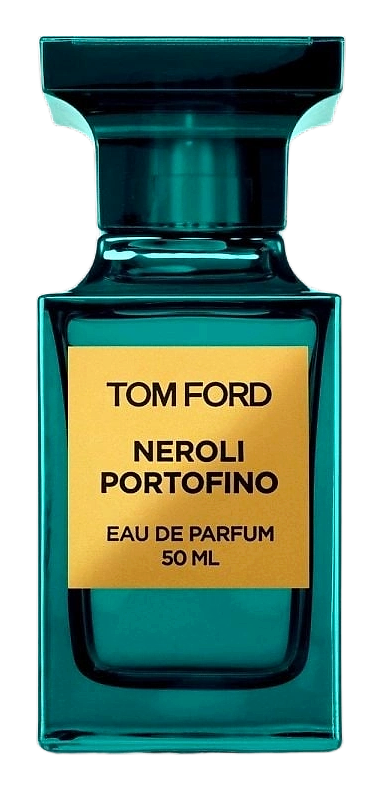
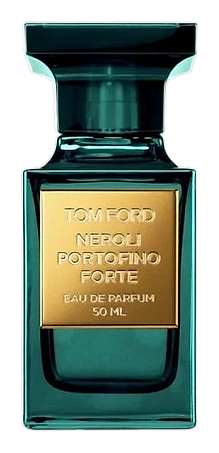
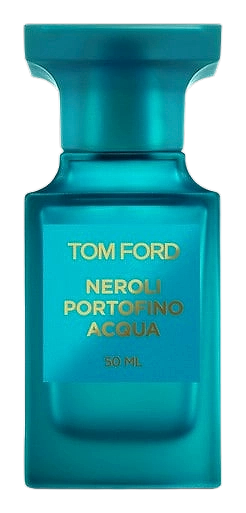
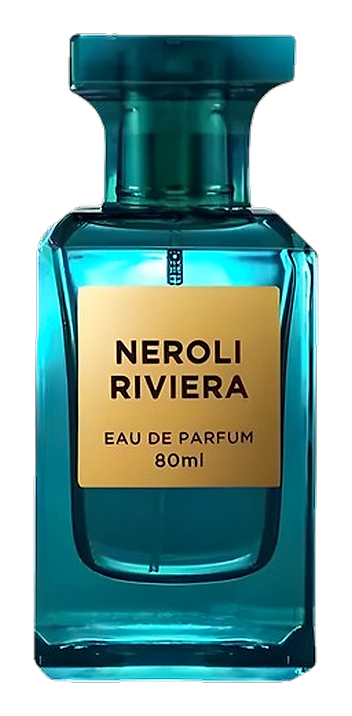
Neroli Canvas arrived as part of Al Haramain's Portfolio collection, presenting itself as a refined citrus-white-floral that stands apart from typical market offerings. The fragrance draws natural comparison to Tom Ford's Neroli Portofino, a well-established reference in the category. Where that original leans toward an airy, delicate citrus character, Neroli Canvas introduces a cedarwood base that adds weight and structural integrity to the composition. This woody foundation creates a distinct proposition: a fragrance that maintains the freshness expected from neroli and orange blossom while offering more substance and staying power.