
The Story
Why it exists.
The beginning
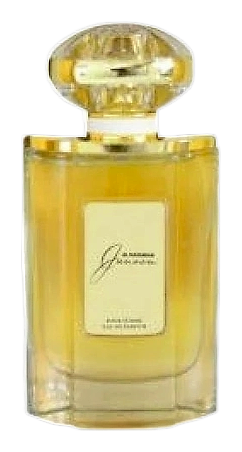
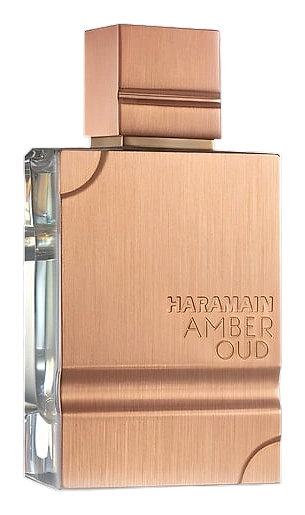
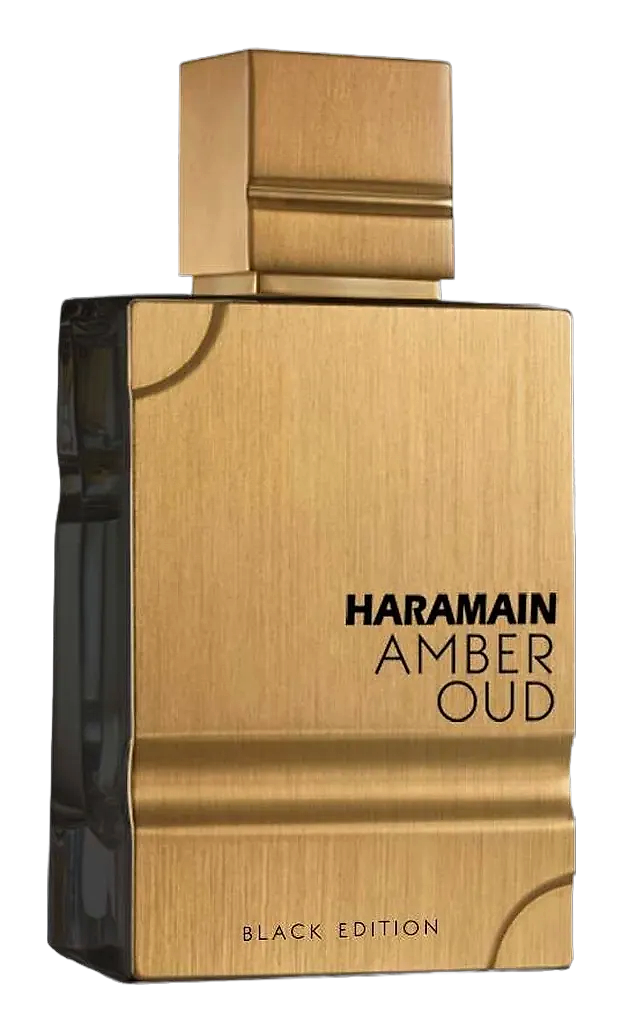
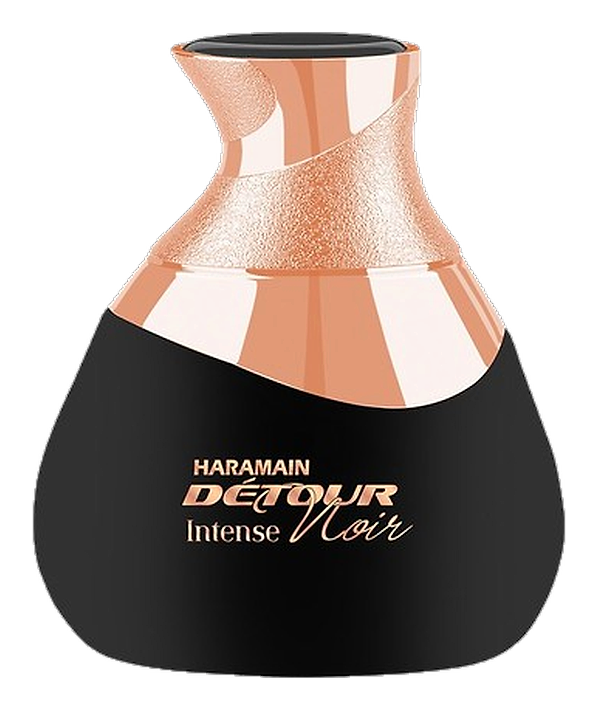
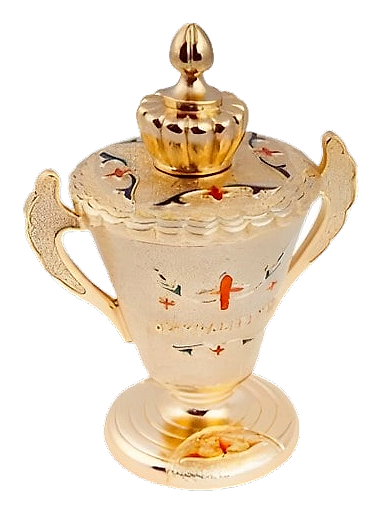
Al Khaleej takes its name from the Persian Gulf, the body of water that defines the Arabian Peninsula's eastern edge. The name carries geography and tradition in equal measure, evoking the maritime culture and aromatic heritage long associated with the region. Al Haramain Perfumes built its identity around an oriental vocabulary rich in resin, wood, and floral softness. Al Khaleej is a working example of that house style: a composition that treats floral softness and resinous depth as a single conversation rather than two separate movements. The perfumer credited is Francisco Carbonnel, whose shaping hand guides the composition from its opening brightness through its powdery close.
What makes this composition worth a second look is the aldehyde-on-oud contrast. Aldehydes belong to a lineage of soapy, sparkling, almost metallic brightness, think of the suds and abstract freshness of vintage French florals. Oud sits at the opposite pole, dense, animalic, resinous, and unmistakably Eastern. Layering them in the same opening is a deliberate friction. The rose and iris in the heart are classical French floral binding agents, powdered, soft, recognizable. They keep the aldehydes from feeling clinical and the oud from tipping into pure smoke. Sugar in the base seals the warmth without turning the thing gourmand.
The evolution
The first ten minutes are bright and almost fizzy, the aldehydes doing their soapy lift over a thin floral wash. Then the iris arrives, and the composition calms down considerably. Rose threads through the next hour, powdery and slightly lipstick-adjacent, while geranium adds a green-edged lift that keeps the floral from collapsing into sweetness. By the two-hour mark, the oud begins to surface, and it arrives slowly, like someone clearing a throat at the other end of the room. Sandalwood and cedarwood build the floor underneath it, and cypriol adds a dry, earthy smokiness that anchors the resin. The sugar stays quiet throughout, present as warmth rather than sweetness. Six hours in, the drydown is a soft, musky powder, the kind that clings to a coat collar the morning after. It doesn't vanish, but it pulls close to the skin. The sillage is moderate. You'll leave a trail through a doorway but not across a hallway.
Cultural impact
Al Khaleej sits within the oriental fragrance tradition that resonates across the Gulf and its wider diaspora. It wears like a daily composition for someone who wants oud presence without the intensity of a pure oil. The fragrance finds its audience among those drawn to eastern oils and the aromatic vocabulary of Arabian perfumery, offering a softer entry point into a category often defined by heavier, more aggressive formulations.
The House
Al Haramain PerfumesAl Haramain Perfumes is a fragrance house rooted in Mecca, Saudi Arabia, with over five decades of experience crafting oriental perfumes. The company traces its origins to 1970, when founder Kazi Abdul Haque, a Bangladeshi businessman, began trading perfumes with shops in Makkah and Madinah before moving into production. Today, the business operates from the UAE under the leadership of Haque's eldest son, Mahtabur Rahman, who serves as Chairman and Managing Director. Al Haramain has built a portfolio that reportedly exceeds 1,000 fragrance variants, spanning pure perfume oils, concentrated sprays, bakhoor, and agarwood products. The brand maintains retail presence across the GCC, Middle East, Asia, and Europe through a network of exclusive stores. Notable releases include Dehnal Oudh Mahabbah from 2012, Red African from 2017, Mukhamria Maliki Silver from 2021, and the Musk Orchid and Musk Floral releases of 2023.
The Creator
Francisco CarbonnelFrancisco Carbonnel's signature techniques reflect a deep engagement with Spanish olfactory traditions, particularly the warm, resinous materials that define that region's contribution to perfumery. He works extensively with oriental bases, though his interpretation leans towa…