
The Story
Why it exists.
The beginning
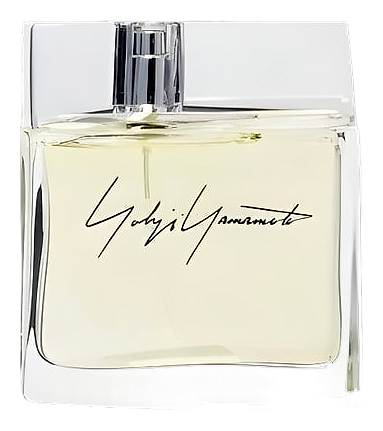
Jean-Pierre Béthouart worked with Yohji Yamamoto to build a fragrance that mirrors the designer's philosophy of clothing as armor, each note a layer of protection and revelation. The brief was simple: a scent that unfolds with the same measured pacing as a runway show, arriving when it arrives, departing only when ready. The 2004 composition draws on yuzu, mandarin, white pepper, and pear as the opening shield, then moves through geranium, clary sage, leather, and suede to reveal what lies beneath. Vetiver, cedar, sandalwood, amber, and incense form the lasting impression, a second skin rather than a statement.
Suede and leather might seem redundant in a pyramid, but together they create a duality that matters. Suede is soft, almost powdered. Leather has warmth, density. The pairing captures two textures of the same idea, worn fabric, skin underneath. Yuzu brings a sharper citrus than bergamot, more aromatic with a faint pine-like quality that cuts through the warmth rather than softening it. The frankincense in the base is a quiet surprise, cool, resinous, more meditative than confrontational. This is where the composition earns its restraint: the drydown asks you to lean in rather than lean back.
The evolution
The opening arrives clean and cold, yuzu, mandarin, a touch of black pepper. The citrus lifts for the first thirty minutes, then quietly steps aside. What replaces it isn't a dramatic pivot. Clary sage and geranium arrive soft and green, their herbal warmth now carrying the composition. Leather and suede deepen the heart, textured, intimate, like fabric warmed by skin. This is the longest phase. The frankincense begins its slow emergence around the second hour, not announcing itself but settling in alongside amber, cedar, sandalwood, vetiver, and musk. The drydown holds for hours, powdery, faintly sweet, woody without weight. It never really stops. It just gets quieter, closer, until the next morning you catch it on your wrist and realize it's still there.
Cultural impact
This fragrance occupies a quiet corner of the market, appealing to the wearer who treats fragrance as an extension of identity rather than a statement of dominance. In an era when masculine scents leaned into projection and presence, Yohji Yamamoto Pour Homme asked something different: composure over performance. It found its audience among those who already knew the brand's work, or who arrived through scent itself, drawn by the restraint.