The Story
Why it exists.
The beginning
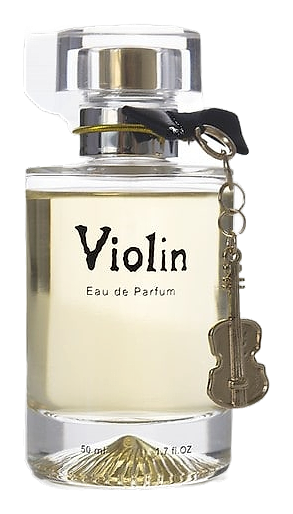
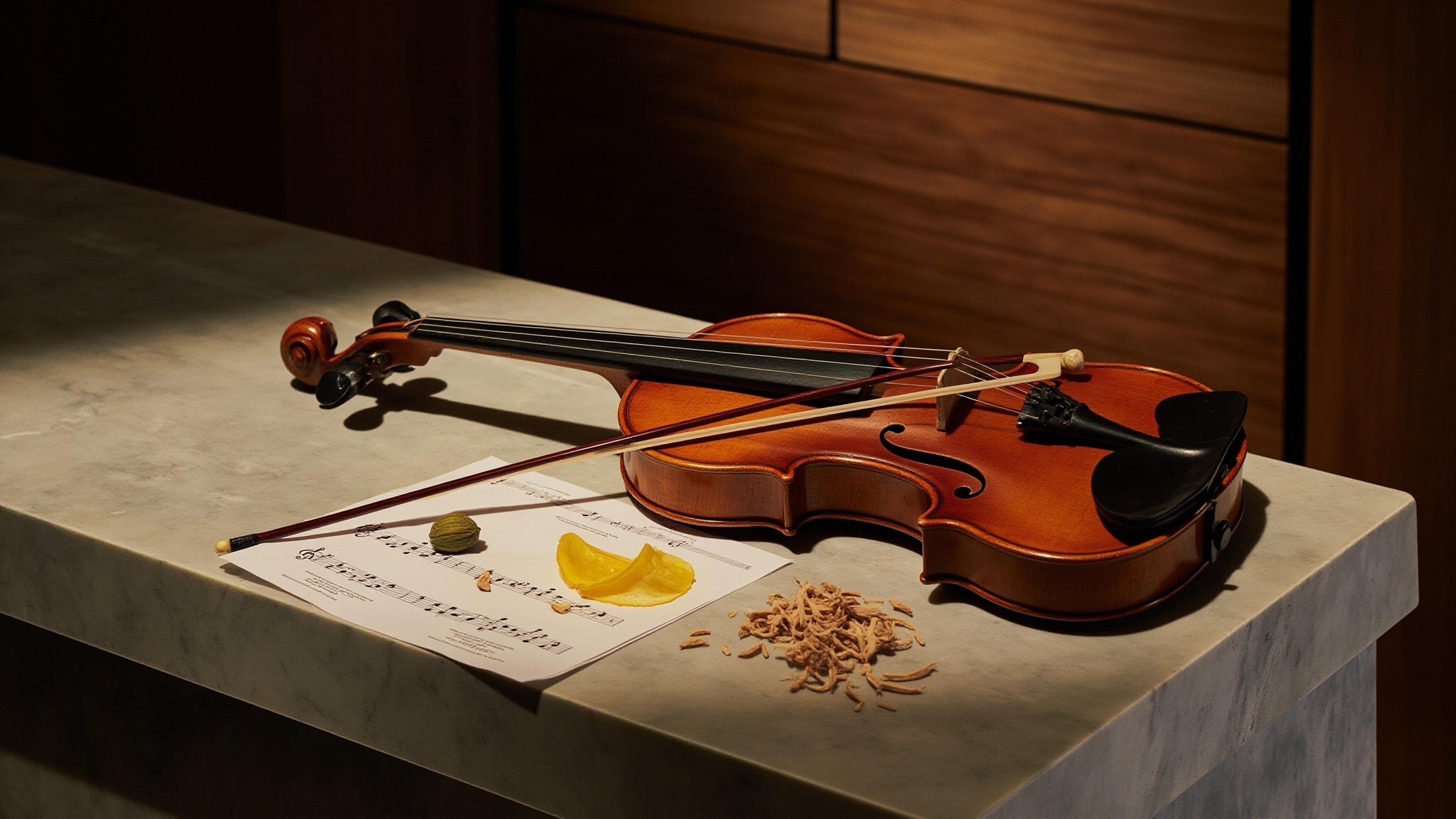
Violin Eau de Parfum was released in 2013, a unisex fragrance from Violin Fragrance and the work of perfumer Guy Bouchara. Its composition moves from brightness to warmth through a carefully balanced sequence of citrus, spice, floral notes, woods, vanilla, and musk. Grapefruit and lemon create a polished opening, while cardamom adds a dry, aromatic heat. Jasmine and rose bring a soft floral center, shaped by the structural character of cedar. As the fragrance develops, vanilla lends creamy sweetness and musk settles into a clean, skin-like finish. The result is layered without becoming heavy, offering a clear point of entry followed by warmer notes that unfold gradually on the skin.
The unusual part is the tension between brightness and material. Grapefruit and lemon bring a clean, sparkling opening, while cardamom adds a dry aromatic snap. Cedar and jasmine keep the heart from becoming too sweet or too heavy, and rose gives it a soft, romantic flicker. That floral warmth is grounded by vanilla and musk, which make the composition feel rounded rather than simply woody. The accord profile points to a fragrance that can be both spicy-resinous and powdery, with citrus freshness giving way to warm, sweet depth.
The evolution
Violin begins with a clear citrus flash, grapefruit and lemon cutting through the air before the softer materials gather. As the opening settles, cardamom introduces a dry, aromatic heat that tempers the fruitiness of the citrus without overwhelming it. The heart opens into jasmine and rose, with cedar giving the floral notes a little structural grain. What starts bright and polished becomes warmer, fuller, and more tactile as these elements interact. The base is where the fragrance settles into its lasting character: vanilla brings a creamy sweetness, while musk gives the finish a clean skin-like softness. After the first sparkle recedes, the scent leaves behind a gentle blend of wood, floral warmth, and sweet musk rather than a single dominant note. It wears as a composed progression, with fresh top notes giving way to a softer floral center and a warm, musky close.
Cultural impact
Violin offers a distinctive expression within contemporary fragrance through its varied note structure and evolving character. Grapefruit and lemon establish a crisp opening, cardamom introduces aromatic spice, and jasmine and rose create a rounded floral heart. Cedar gives the composition definition, while vanilla and musk form a warm, gentle finish. Together, these notes make the fragrance approachable for exploration, inviting attention to how each layer changes and how the bright opening settles into a softer blend over time.
The House
Violin FragranceViolin Fragrance is a small fragrance name centered on Violin Eau de Parfum, released in 2013. Public information about the house is limited, and the available material does not establish a conventional founding story, a named perfumer, or a clearly documented ingredient program. Its central idea is easy to understand: bring the atmosphere of a violin workshop into scent. The concept connects an instrument maker’s environment with the act of smelling wood, varnish, dust, and the materials gathered around a craftsperson’s bench. This gives Violin Eau de Parfum a distinct subject for fragrance discovery, particularly for collectors drawn to workshop-inspired scents or the sensory culture of violin making.
The Creator
Guy BoucharaThe supplied sources identify perfumers as composers of scent and stress the importance of learning materials, but they provide no composition credits or ingredient notes for Guy Bouchara. No signature technique, preferred material family, or recognizable olfactive profile can…