Heritage
A house, in its own words
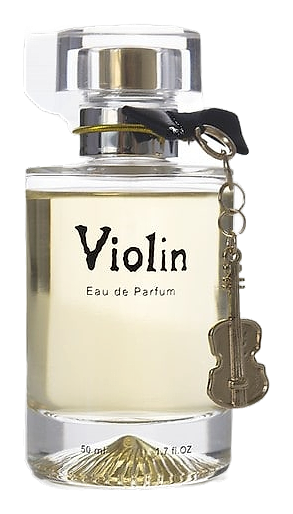
Violin Fragrance appears to be a contemporary, independent fragrance project rather than a historic perfume house. The documented reference point is Violin Eau de Parfum, which is identified as a 2013 release. The name and launch year provide a clear starting point for the brand, but the available research does not verify where the company began, who founded it, or whether it is based in a particular country. The idea itself has a natural historical resonance. For centuries, violin makers have worked in specialized workshops where shaped wood, varnish, glue, rosin, and finishing tools create a recognizable working atmosphere. A scent inspired by that environment treats the workshop as both a place and a narrative. The source material includes a report about a violin maker launching a fragrance inspired by the aromas of a luthier’s workshop. That report is not presented as proof of Violin Fragrance’s own history, but it supports the broader idea of translating a craft environment into perfume. In practical terms, Violin Fragrance’s heritage is best described as brief and concept-led: a named fragrance, a documented release year, and a subject rooted in the materials and atmosphere of violin making. Further company history remains unverified in the sources supplied. The brand’s creative proposition is built around place, atmosphere, and association rather than a grand historical claim. Violin Eau de Parfum takes the luthier’s workshop as its creative setting. That choice makes the fragrance feel observational. Instead of asking what a violin sounds like, it asks what the room around the instrument may smell like. Wood, varnish, and workshop materials become the bridge between a physical craft and an imagined scent trail. This approach also suits the intimacy of fragrance. A workshop scent can suggest a working bench, a freshly handled instrument, the dryness of wood, and the slightly resinous presence associated with finishes and rosin. The available material does not provide a formal philosophy statement, a detailed ingredient charter, or a documented position on sustainability. It does show a preference for a specific sensory world. The violin workshop offers a disciplined narrative: one room, one craft, and a collection of materials that belong together. For fragrance discovery, that specificity is valuable. It gives the name a point of reference beyond a decorative instrument image and places the product within a recognizable culture of making.