The Story
Why it exists.
The beginning
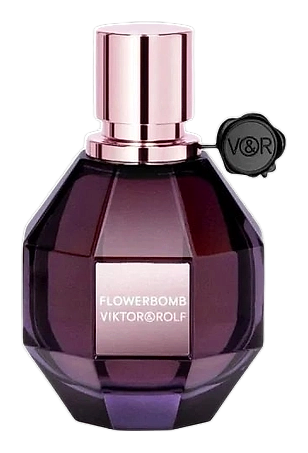
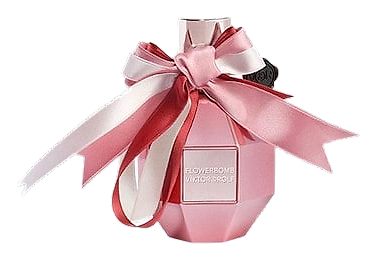
Flowerbomb arrived as a fragrance that refused to whisper. The creators wanted a scent that matched a piece of sculptural design you'd spot from across a room: something that doesn't behave like a quiet, pretty floral. In 2011, they released a limited-edition interpretation that keeps the core architecture fans had come to worship while placing osmanthus among the top notes and neroli within the middle, lending a faintly different shape to the opening and the heart.
The perfumery behind it is a quartet of noses you don't forget: Olivier Polge, Carlos Benaïm, Domitille Michalon Bertier, and Dominique Ropion, each bringing years of work across some of the industry's most recognizable compositions. Tea and bergamot open with a crisp, almost astringent clarity before the floral avalanche begins, which is unusual for a composition of this scale. The bitter green sits at the front, clean and herbal, before the sweetness arrives. The opening asks you to wait, and the wait pays off.
The evolution
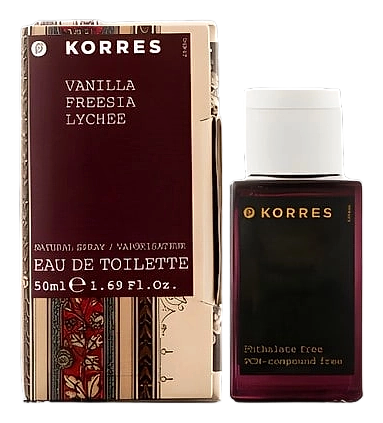
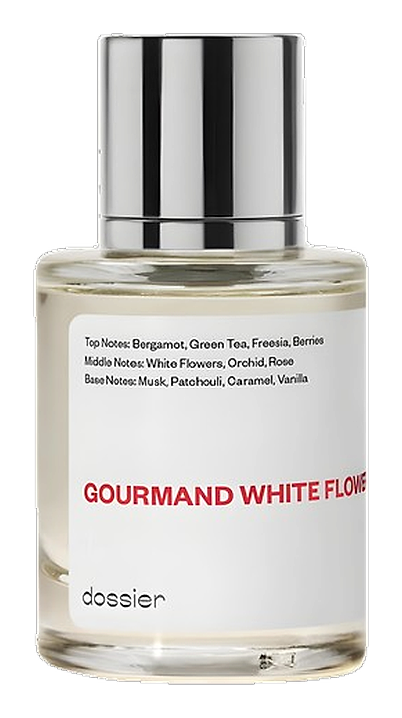
The first ten minutes are surprisingly cold. Tea leaf and bergamot sit up front like a defense mechanism, almost herbal, before the orchid and jasmine start to climb. Around the thirty-minute mark, the full floral stack arrives, rose and freesia and neroli all tangled together, sweet and powdery and faintly fruity from the osmanthus. It reads loud. It reads deliberate. By hour two, patchouli starts anchoring the bottom, giving all that white-floral brightness something to lean against. The musk settles in quietly around hour four, softening the patchouli's edges without flattening it. Over time, the texture changes: the brightness recedes, the warmth deepens, and what started as a sparkler becomes something closer to embers. The drydown the next morning is warm, musky, faintly sweet, like the ghost of last night's perfume on a pillowcase you forgot to wash.
Cultural impact
The Flowerbomb bottle, designed by Fabien Baron, became one of those rare objects that signified something specific on a vanity. It crossed from perfume into recognizable visual territory, a shape people could identify from a distance. The 2011 limited edition sits in a curious spot: familiar enough to be recognizable, reworked enough to reward people who already owned the original. The osmanthus in the top notes and neroli in the middle notes shift the architecture just enough to give returning wearers something new to notice, while the core floral impression stays intact. It reads as both a continuation and a quiet revision.