
The Story
Why it exists.
The beginning
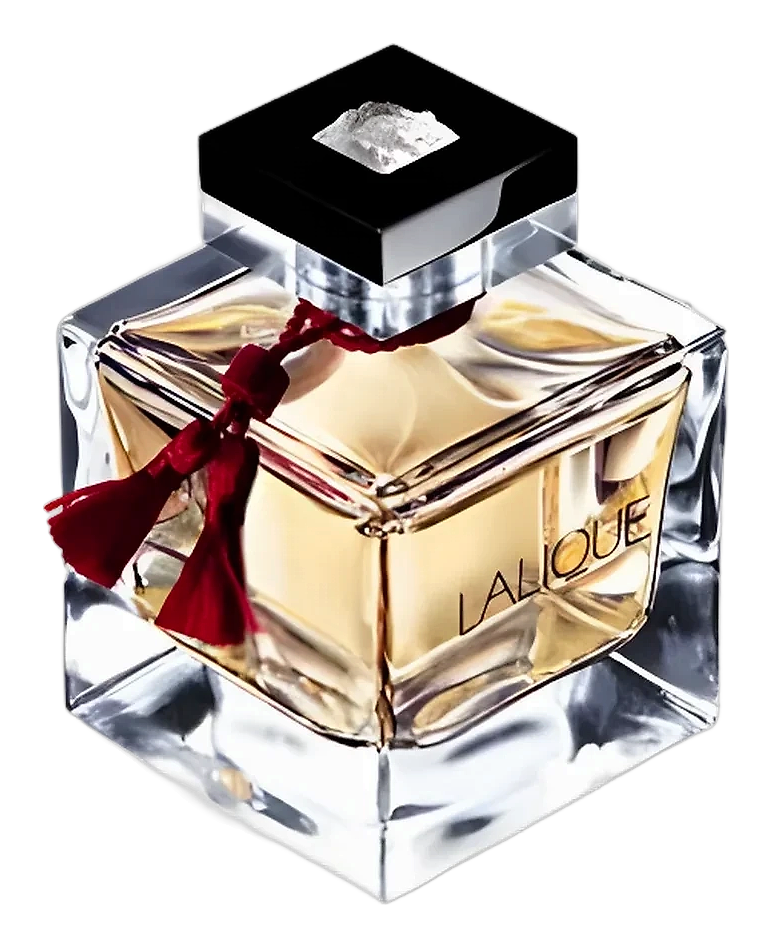
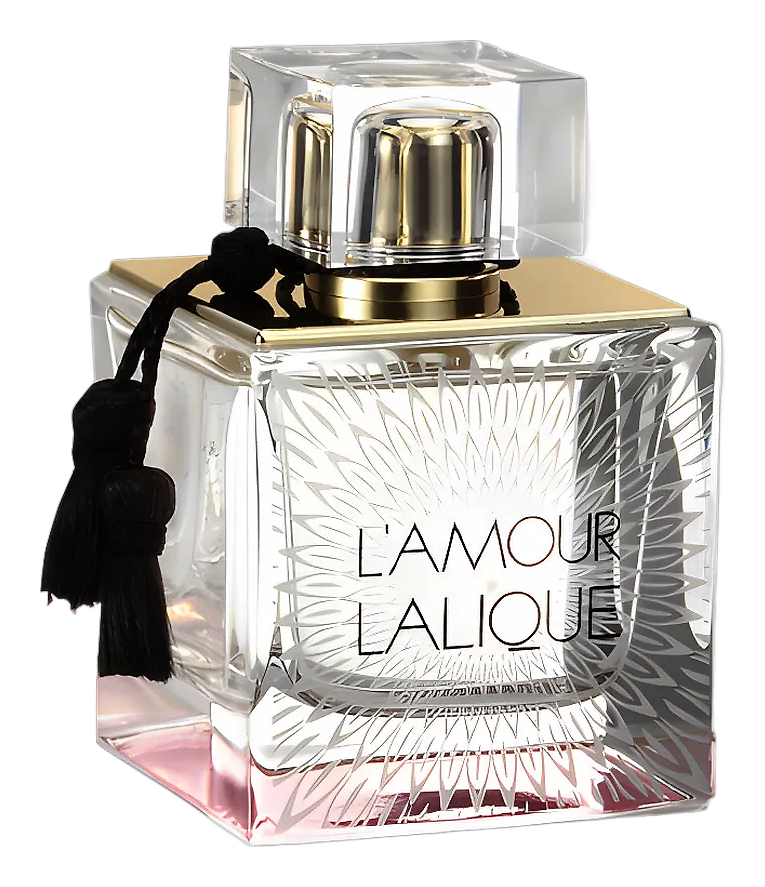
L'Amour, French for love, arrived in 2013 from Lalique, the French crystal house known for sculptural bottles. Perfumer Nathalie Lorson built this around white florals: gardenia, jasmine, and tuberose create a lush, creamy heart. The name itself is the concept, a romantic fragrance that doesn't hide its intentions. Neroli and bergamot open with bright cleanliness, while the base of musk, sandalwood, and cedar grounds everything in warmth. It's a love letter written in flowers.
The white floral heart is where L'Amour makes its case. Gardenia brings creamy sweetness, jasmine adds depth, and tuberose contributes a heady, almost narcotic quality, together they create an intensely feminine core. Neroli and bergamot in the opening provide the contrast: a bright, almost crisp entrance that prevents the florals from overwhelming. By the time the scent settles, the musk and wood base has arrived to keep everything grounded and skin-close.
The evolution
The opening lasts about 15 minutes, bergamot and neroli arrive clean and sparkling, with rose adding a whisper of sweetness. Then the white florals take over, gardenia and jasmine moving forward as the citrus fades. The heart lasts for hours, warm and creamy, the tuberose giving it an almost intoxicating quality. By the end, musk and cedar arrive to soften everything, creating a close, intimate drydown that lingers on skin for 6-8 hours. The sillage stays moderate, this is a fragrance that stays near you, not one that fills a room.
Cultural impact
L'Amour occupies a particular space in the Lalique lineup, romantic without being dated, feminine without being fragile. It appeals to the wearer who wants white florals but finds tuberose too aggressive on its own. The 2013 release positioned it as an everyday luxury rather than a special occasion scent, and that accessibility has kept it in rotation for those who want something sensual that doesn't require an occasion.