The Story
Why it exists.
The beginning
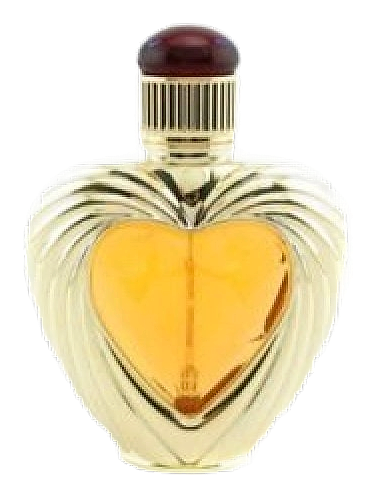
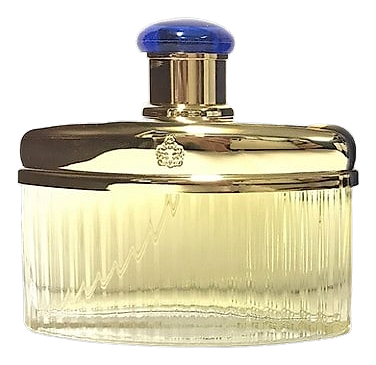
Victoria arrived in 1989 from Victoria's Secret, a composition that marked the brand's first move into fragrance. The brief came through Sophia Grojsman, a perfumer whose work has tended toward the unexpected, building scent through layered texture rather than single-note statements. The request was simple on paper: something romantic, something with nostalgic pull. What Grojsman built leaned oriental, powdery, and a little animal, stranger and more honest than the cologne category typically allows. The composition carries notes of rose and raspberry on the top, with patchouli and incense threading through the base, and tobacco winding its way underneath like a second language.
Grojsman's work tends to favor compositions where individual notes feel layered rather than blended into a smooth blur, and Victoria works the same way. The rose doesn't dissolve into the background. It sits beside the raspberry, distinct and slightly sharp, while patchouli anchors everything below. The tobacco and incense do the heaviest lifting, giving the composition a smoky, almost incense-as-furniture quality that reads warmer and more lived-in than the word cologne typically promises.
The evolution
The opening is dense and unapologetic. Tobacco and incense arrive together, thick enough to feel architectural, with no citrus brightening the edges to soften the entrance. The rose shows up almost immediately but speaks softly underneath, a floral detail rather than a statement. As the composition settles, the powdery heart begins to emerge, and this is where the oriental accord declares itself. The raspberry sweetness that's been lurking in the background pushes forward, creating that distinctive sweet-smoke paradox that defines the scent. An animalic undertone, a slightly musky, skin-adjacent warmth, begins to show as the hours pass, adding depth to the composition. Over time, what's left is mostly base: patchouli, a ghost of incense, the faint memory of tobacco. The scent sits close to the skin after the early hours pass, intimate rather than declarative.
Cultural impact
Victoria sits in an interesting corner of fragrance history. It launched in 1989, and it developed a cult following precisely because it didn't behave like a typical mall release. Wearers describe it as closer to an oriental than a standard American drugstore cologne, and that dissonance, the heavy composition wrapped in accessible packaging, is part of its appeal. It has been compared in user reviews to compositions like Molinard's Habit Rouge and Guerlain's Shalimar, scents that share a similar oriental DNA. It's also one of the few Victoria's Secret fragrances that's been officially discontinued and still sparks active conversation.
The House
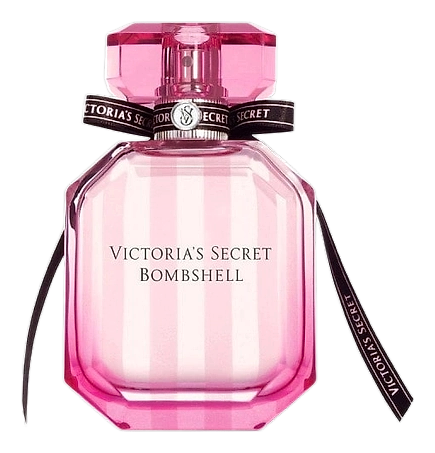
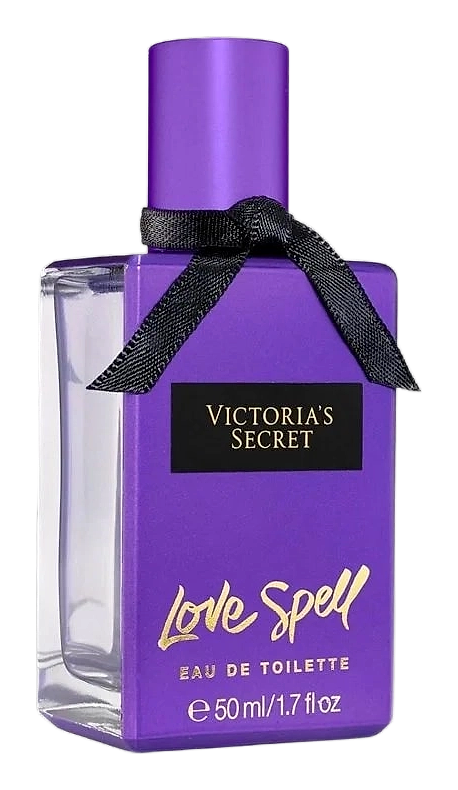
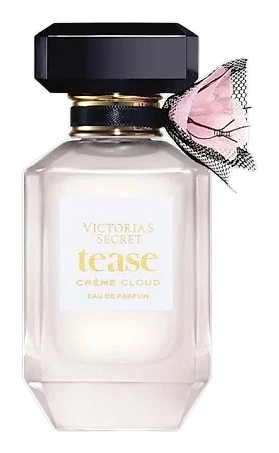
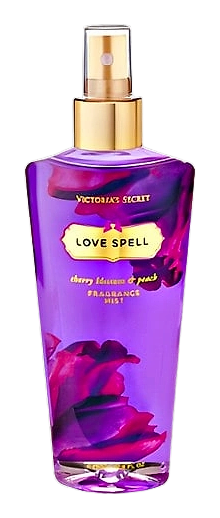
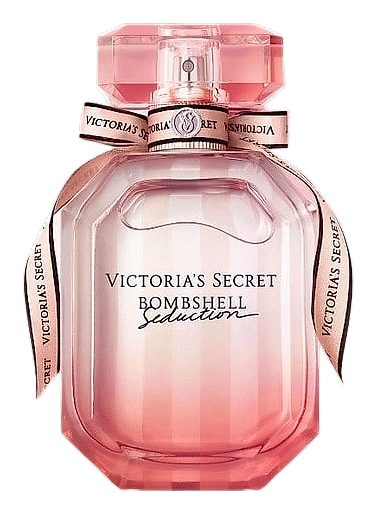
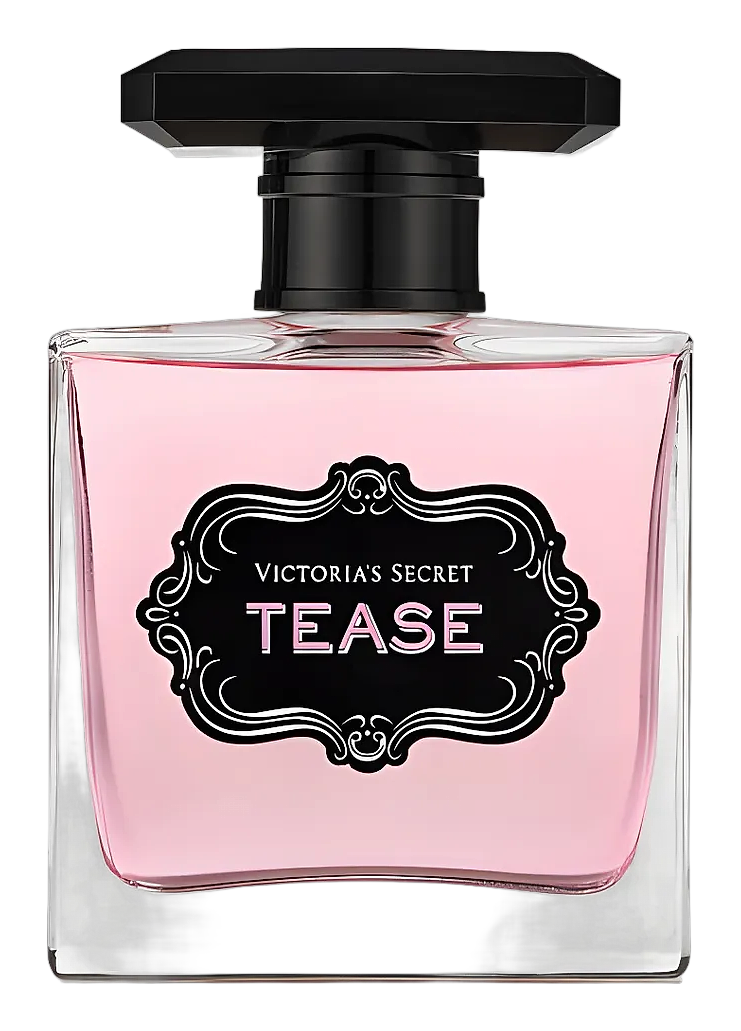
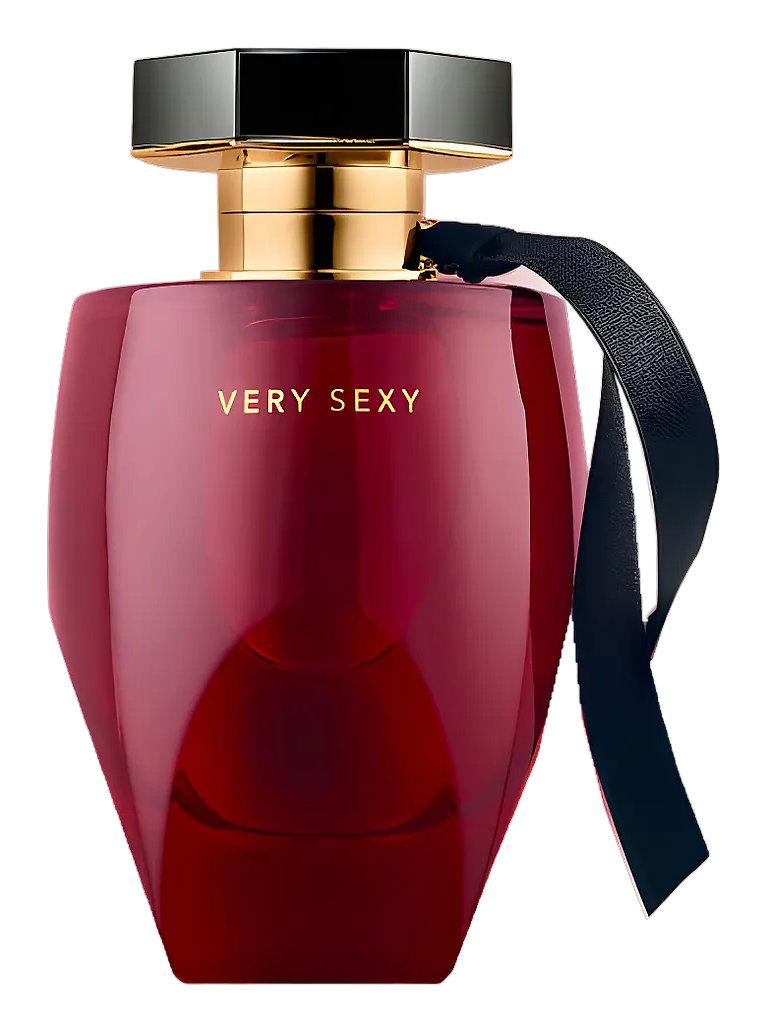
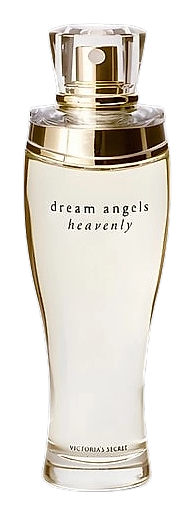
Victoria's SecretVictoria's Secret began as a San Francisco lingerie company founded in 1977 by Stanford graduate student Roy Raymond and his wife Gaye. The brand entered fragrance in 1989, launching its first perfume Victoria as part of a national magazine campaign. By the early 1990s, the company had grown to 350 stores nationwide with estimated sales of $1 billion. The beauty division grew substantially enough to generate nearly $1 billion in sales by 2006. Victoria's Secret fragrances are developed through Givaudan's Paris laboratory, the same fragrance house behind perfumes for Tom Ford, Prada, and Louis Vuitton. The brand works with a rotating roster of over 30 perfumers rather than a single in-house nose, creating scents for its Dream Angels, Very Sexy, Body, and Pink collections. Popular fragrances include Bombshell, Love Spell, Tease, and Heavenly, which ranked as the top-selling fragrance in the United States by both revenue and volume from 2005 to 2010. Victoria's Secret has won 20 Fragrance Foundation awards since 2001. The company offers fragrances alongside perfumed body care products including body mists, body lotions, and eau de parfum in various formats.
The Creator
Sophia GrojsmanGrojsman's signature style favors bold, expressive compositions with remarkable sillage and longevity, achieved through her unconventional use of concentrated materials without heavy fixative buffers. Her work spans multiple olfactive territories but consistently exhibits a ce…