The Story
Why it exists.
The beginning
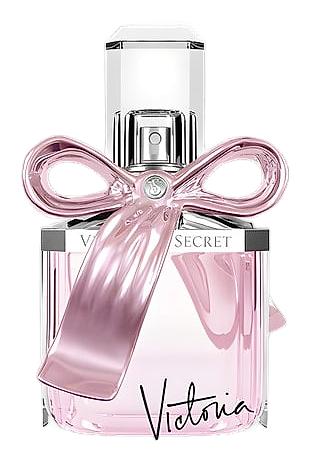
Victoria launched in 2013 under the Victoria's Secret banner, a floral-fruity gourmand composed for women who wanted the brand's signature flirt dressed up in something quieter than the usual body-mist volume. The brief, judging by the body care that launched alongside it, was a wearable sweetness, not a statement piece. Pretty without asking permission. The kind of scent you reach for when you want to feel put-together without trying too hard. The composition keeps its ambitions small and that's the whole point. Red berries crack the bottle open with a bright, almost fizzy sweetness, like crushed fruit held up to sunlight. Rose threads through quickly, not the sharp, dewy variety from a morning garden but something cushioned, sugared, almost like a Turkish Delight left on a warm plate.
The composition is strikingly narrow for a modern launch: one top note, one heart, two base notes. That's almost a manifesto in restraint. Red berries provide the bright entry, rose carries the middle, and crème brûlée plus caramel build the floor. The whole thing reads like a tight little chord rather than a sprawling pyramid, each note pulling its weight without crowding the others. What you get is a thin, focused sweetness that reads more like confection than perfume, and that linearity is what gives it such a clear silhouette on skin.
The evolution
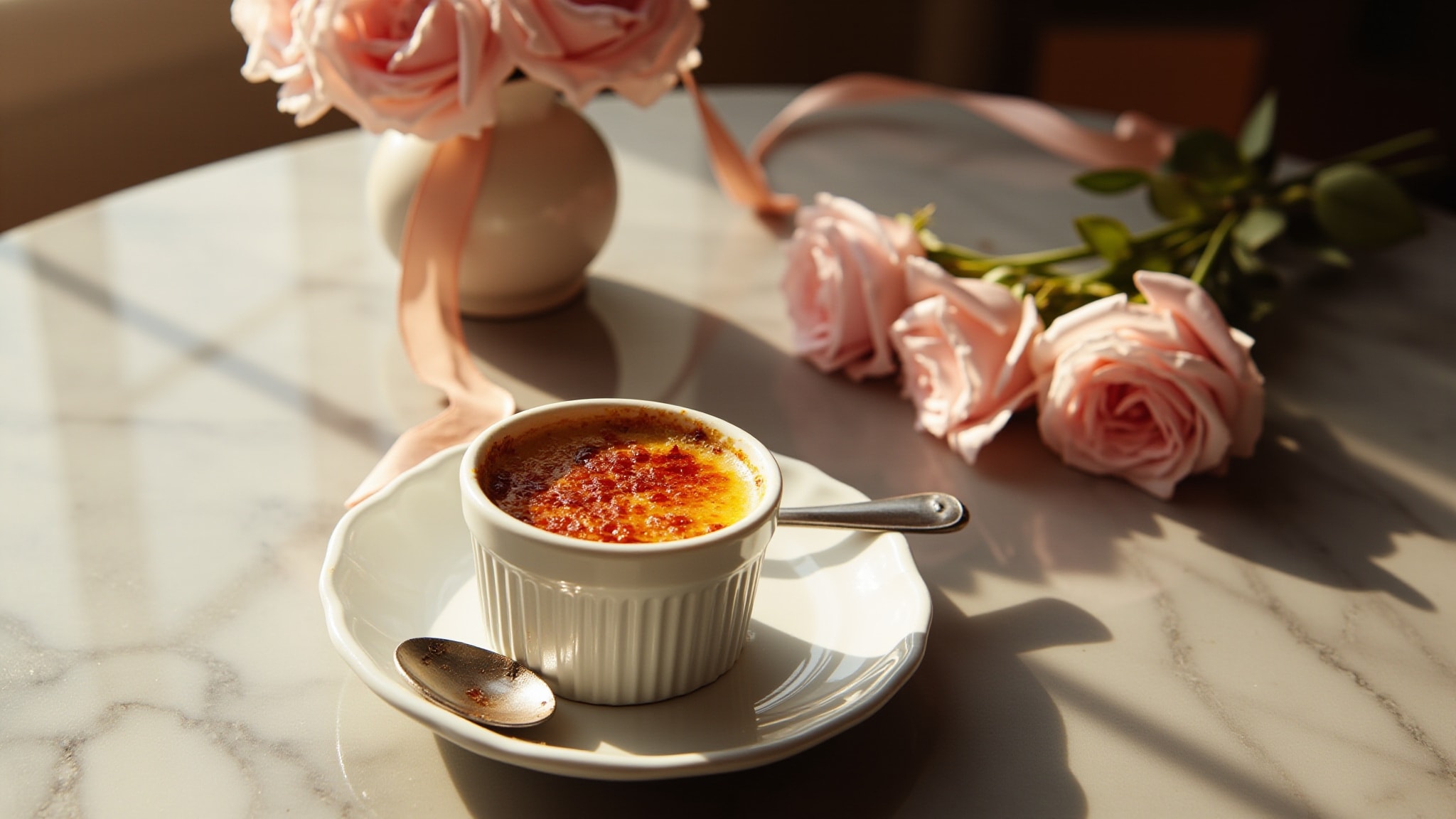
The berries announce themselves first, almost jammy, like strawberry preserves warming in a microwave without seconds. Within 20 minutes, rose steps forward, not a sharp dewy rose, more a sugared Turkish Delight version. By hour three, the berries and rose have largely dissolved into a single confection. Crème brûlée takes over, that burnt-sugar crust smell rather than the custard beneath, and caramel slides in underneath like warm syrup. The rose keeps flickering in and out through the first couple of hours, showing up as a faint pink thread between the berry brightness and the sugar base, never loud enough to take over but present enough to keep things from going purely gourmand. As the hours pass, the caramel deepens, picking up a slightly darker, almost brown-butter edge that warms the whole composition.
Cultural impact
Victoria arrived in 2013, a period when gourmand fragrances had moved firmly into the mainstream of women's perfumery. Victoria's Secret, already a household name through its lingerie and body care lines, used the launch to extend a brand aura into a bottle, translating the visual language of the brand into something wearable. The composition leans hard into a specific kind of sweetness: red berries up top, sugared rose at the heart, and a base of crème brûlée and caramel that reads more like spun sugar than dense dessert.
The House
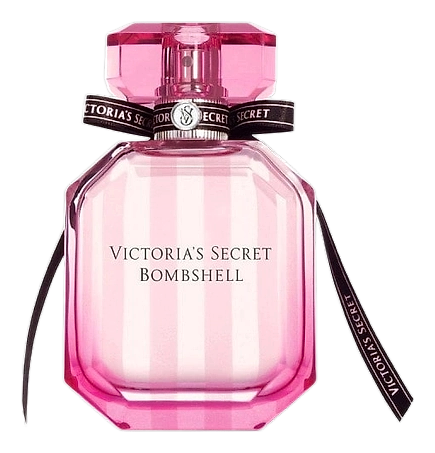
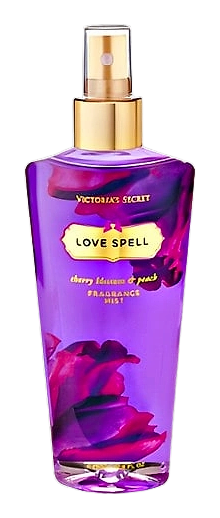
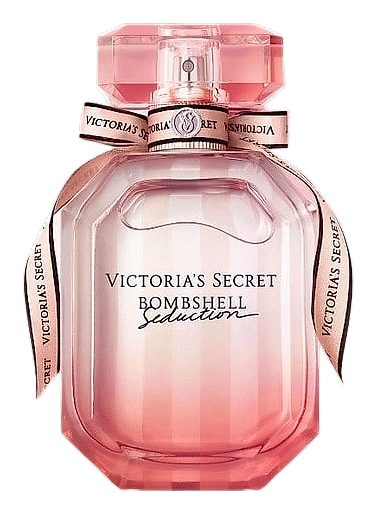
Victoria's SecretVictoria's Secret began as a San Francisco lingerie company founded in 1977 by Stanford graduate student Roy Raymond and his wife Gaye. The brand entered fragrance in 1989, launching its first perfume Victoria as part of a national magazine campaign. By the early 1990s, the company had grown to 350 stores nationwide with estimated sales of $1 billion. The beauty division grew substantially enough to generate nearly $1 billion in sales by 2006. Victoria's Secret fragrances are developed through Givaudan's Paris laboratory, the same fragrance house behind perfumes for Tom Ford, Prada, and Louis Vuitton. The brand works with a rotating roster of over 30 perfumers rather than a single in-house nose, creating scents for its Dream Angels, Very Sexy, Body, and Pink collections. Popular fragrances include Bombshell, Love Spell, Tease, and Heavenly, which ranked as the top-selling fragrance in the United States by both revenue and volume from 2005 to 2010. Victoria's Secret has won 20 Fragrance Foundation awards since 2001. The company offers fragrances alongside perfumed body care products including body mists, body lotions, and eau de parfum in various formats.
The Creator
Sophia GrojsmanGrojsman's signature style favors bold, expressive compositions with remarkable sillage and longevity, achieved through her unconventional use of concentrated materials without heavy fixative buffers. Her work spans multiple olfactive territories but consistently exhibits a ce…