The Story
Why it exists.
The beginning
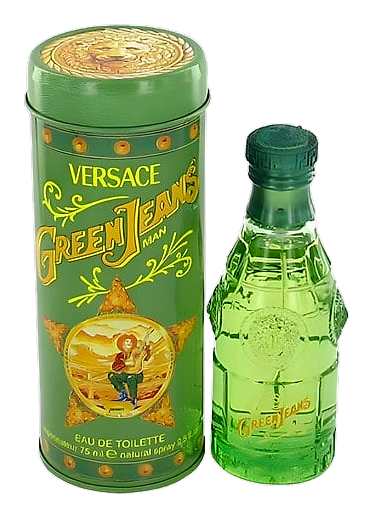
Green Jeans arrived in 1996 as part of Versace's broader 'Jeans' collection, an entire line built around the idea that designer scent didn't have to mean formal. The green-tin packaging made that clear before you even opened it. This wasn't a fragrance for occasions; it was for the man who wore his Versace like he meant it: casually, confidently, on his own terms. The brief was aromatics meet citrus, meets something that could hold its own on a dance floor or a rooftop bar.
What makes Green Jeans interesting is the structural choice: seven top notes and no apology about it. Most 90s fragrances either went aquatic (safe, clean, forgettable) or oriental (heavy, complex, niche). Green Jeans did neither. Instead, it built upward from citrus and aldehydes, that effervescent lift that makes the opening feel electric, then layered in herbs that keep the whole thing grounded. The carnation and geranium in the heart aren't decorative. They're the counterweight, keeping the citrus from reading as trivial.
The evolution
The opening hits like a gust, lime, lemon, bergamot, and aldehydes working together to create something that smells immediately clean and immediately intentional. There's a slight metallic edge from the aldehydes that not everyone catches, but it's there, lending complexity. Within twenty minutes, tarragon and petitgrain take over, and suddenly the fragrance shifts from bright to green, from citrus to herbal. This is where Green Jeans earns its name. The transition isn't subtle, it announces itself, like the moment a sunny day turns cool. The heart settles into geranium, jasmine, and rose, but the rose doesn't dominate; it adds warmth to what is fundamentally an aromatic structure. Then cedar and fir arrive, and the drydown is where this fragrance lives. It's woody, slightly mossy, with oakmoss giving it that vintage depth that modern fragrances often strip away. Musk and amber provide staying power, this isn't a fragrance that vanishes.
Cultural impact
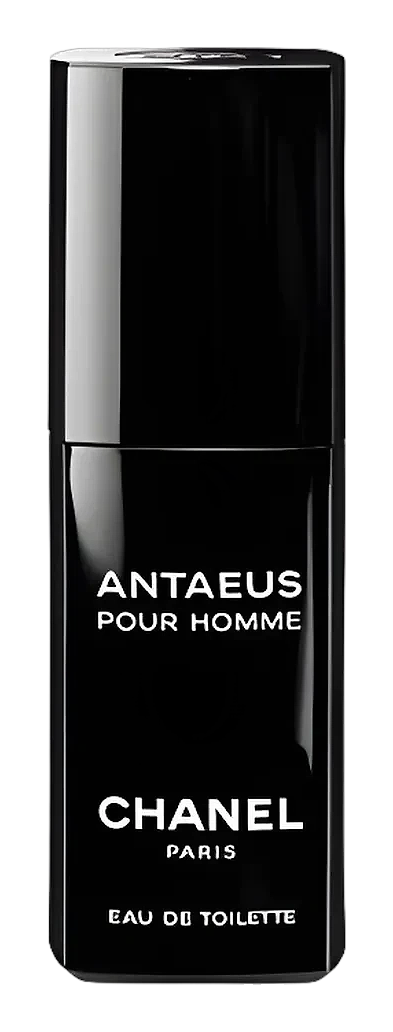
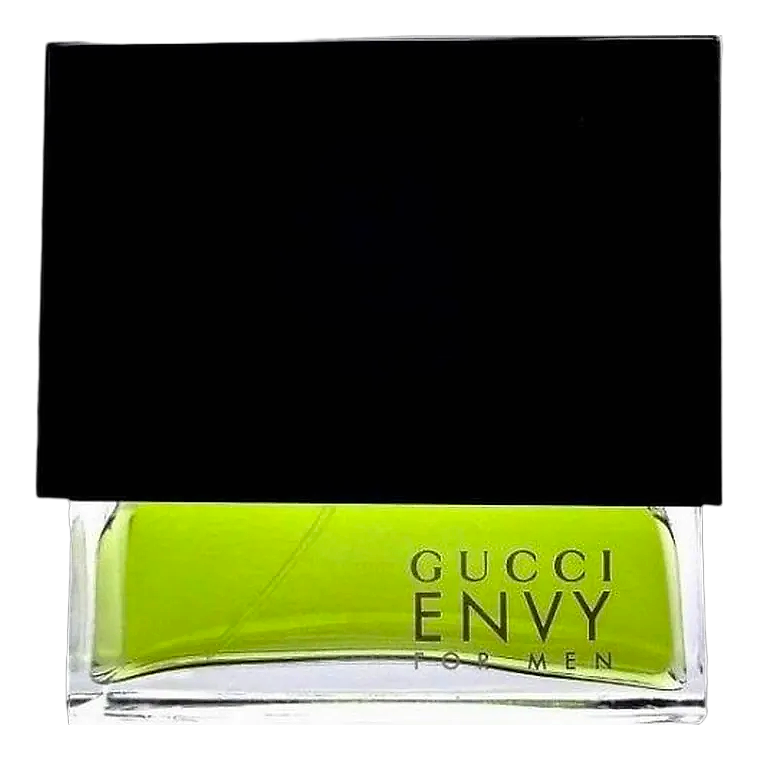
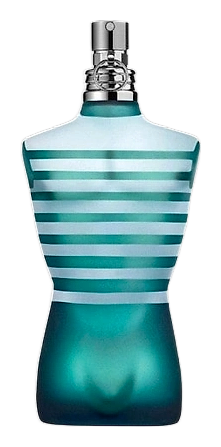
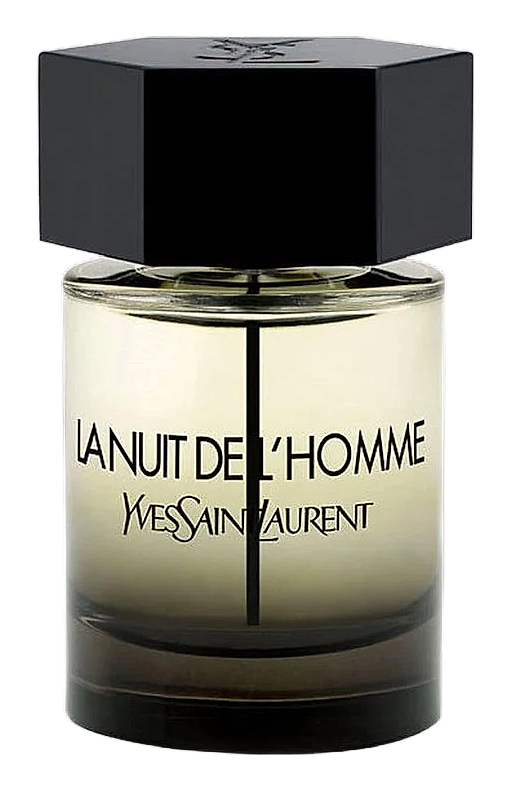
Green Jeans sits in a specific 90s moment: the era when men's fragrances were still allowed to be aromatic, herbal, and unapologetically masculine without apology. It shares DNA with D&G Masculine and Ted Lapidus pour Homme, fragrances that understood green not as delicate but as confident. The green-tin packaging was part of the statement: this wasn't precious. This was wearable. And in 1996, that mattered.