The Story
Why it exists.
The beginning
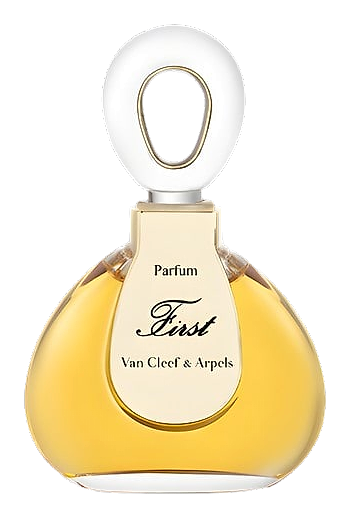
Van Cleef & Arpels had built its reputation on preciousness, gems set at Place Vendôme, crowns for queens, beauty that whispered across generations. In 1976, when the house turned to fragrance, they didn't rush. They found Jean-Claude Ellena, a perfumer who understood that luxury isn't about abundance, it's about restraint that reveals itself slowly. First wasn't named for beginning. It was named for primacy: the jeweler's conviction that this scent, above all others, deserved the house's seal. Ellena translated that philosophy into aldehydes and florals, building a perfume that smelled like light refracting through crystal, then softening into something warm enough to wear.
What makes First remarkable is the way the aldehydes behave. In lesser hands, they arrive sharp and recede fast, a trick, not a trait. Ellena used them differently: the aldehydes here lift the florals without overpowering them, creating a shimmering quality that lasts well into the heart. The honey and civet in the base are the secret. Civet is polarizing, musky, animalic, almost dirty, but here it's deployed with surgical restraint. It gives the drydown its warmth, counterbalancing the powder into something that smells like skin, not a perfumery. That's the difference between a classic and a museum piece: this one was meant to be worn.
The evolution
The opening hits like light breaking through frosted glass. Aldehydes first, that waxy, metallic champagne note, but softened immediately by peach and blackcurrant, which sweeten the edges. Bergamot and raspberry keep it bright without sharpness. The aldehydes don't fade so much as dissolve into the composition, becoming texture rather than presence. By the first hour, the florals take over. Hyacinth arrives first, green, slightly aquatic, followed by Turkish rose and jasmine, which arrive together in a wave of cream and petals. The carnation adds a spice that never overpowers, and the ylang-ylang and tuberose deepen everything into richness without weight. The orris root appears here, lending a powdery violet note that makes the whole heart feel unified. The drydown is where First earns its reputation. The florals recede slowly, leaving space for civet and honey, an animalic warmth that grounds the powder. Sandalwood and vanilla arrive together, creamy and soft. Vetiver adds an earthy, smoky counterpoint, and the oakmoss gives it true chypre structure.
Cultural impact
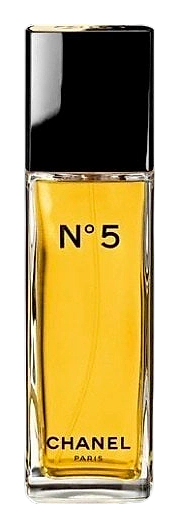
First Parfum holds a quiet but firm place in the aldehydic floral canon. Since its 1976 debut, it has outlasted trends that came and went, earning its reputation through longevity rather than novelty. The aldehydic floral genre was established by Chanel's legendary 1921 release, but First found its own space within that lineage, adding honeyed warmth and powdery elegance that set it apart from its predecessors. Wearers describe it as the fragrance a certain type of woman returns to after decades of exploration, finding in its drydown something she couldn't find anywhere else. The civet note gives it edge; the honey gives it sweetness; the aldehydes give it timelessness.