The Story
Why it exists.
The beginning
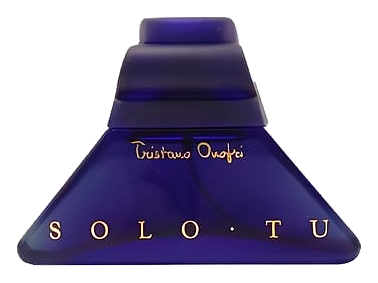
Solo Tu arrived in 1991, taking its name from the Italian for 'only you.' That phrase carries weight in the house's vocabulary, an intimate declaration. The feminine counterpart to the 1990 Homme, Solo Tu offered a different take on the label's discipline, translating the house's approach into something softer: a composition built around florals. The perfumer worked with a classical oriental-floral structure, layering citrus brightness against a warm, resinous base. Powdery florals, carnation, iris, lily of the valley, anchored the heart, lending the fragrance an elegance that speaks to personal style. The name said everything: for one person, completely.
The carnation-iris pairing anchors Solo Tu's character. Carnation carries clove-like warmth that modern perfumery has largely moved away from, too spiced, too demanding for current tastes. Here, it sits alongside iris powder, creating something that smells considered rather than sweet. The ylang-ylang and jasmine add body without sweetness, letting the carnation lead. The sandalwood-benzoin base uses classic oriental construction: warm, creamy, designed to evolve on skin rather than announce itself across a room.
The evolution
The opening arrives fresh and fruity, bergamot brightness followed by peach's brief sweetness. No drama. The citrus eventually gives way as the florals take over, and this is where Solo Tu begins to unfold. Carnation enters with that distinctive clove warmth, cutting through any lingering sweetness. Jasmine and rose follow, but it's the iris underneath, powdery, dry, slightly root-like, that shapes the heart into something more complex than expected. The transition from top to heart is smooth; the fruit fades rather than vanishes. By mid-wear, the warm base begins to show: sandalwood first, then benzoin's resinous softness, vanilla settling close to the skin. Musk and cedar hold the structure together. Over time, what remains is powdery iris, warm amber, and a hint of sandalwood, intimate and soft.
Cultural impact
Solo Tu occupies a specific corner of the fragrance world: powdery florals with vintage character, the kind of composition that stands apart from contemporary releases. The carnation note is uncommon in current perfumery, giving the fragrance a distinctive edge that invites attention. Among Tristano Onofri's selective portfolio, Solo Tu holds a particular position as the house's most overtly floral composition, warm and expressive. The fragrance appeals to those who appreciate classical perfumery, offering depth and complexity that rewards continued wearing.