







The Heritage
The Story of Tristano Onofri
Tristano Onofri is a German‑Italian fashion house that entered the fragrance world in the late 1980s. Though better known for its tailoring, the label has built a modest yet enduring perfume portfolio that includes the chypre‑leaning Tristano Onofri Femme (1986) and the woody fougère Tristano Onofri Homme (1990). The brand’s scent line reflects a quiet confidence, favouring classic structures over fleeting trends. Over three decades the house has kept production small, allowing each bottle to retain a sense of personal craftsmanship that appeals to collectors who value subtlety and consistency.
Heritage
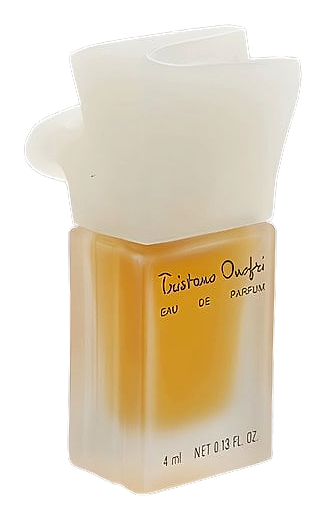
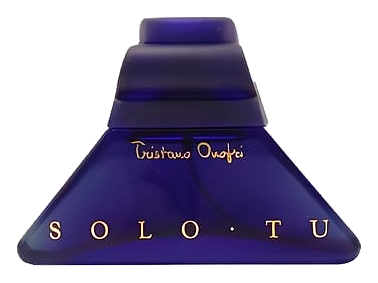
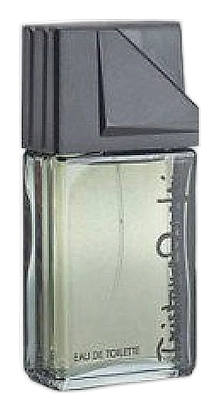
The Tristano Onofri fashion house was founded in 1968 in Munich, Germany, by designer Tristano Onofri, a figure whose family roots trace back to Italy. The label initially focused on menswear and women’s tailoring, earning a reputation for precise cuts and understated elegance. In 1989 the house launched its first fragrance, simply titled Tristano, marking a deliberate expansion into olfactory expression. The debut scent combined aromatic herbs with a warm amber base, echoing the brand’s sartorial precision. Two years later, Tristano Onofri Homme arrived, a fougère that blended lavender, oakmoss and a hint of spice, quickly becoming a reference point for the label’s masculine line. 1990 also saw the release of Tristano Onofri Femme, a chypre that critics noted for its rustic quality and a dry, mineral finish that set it apart from the sweeter offerings of the era. The early 1990s were prolific: Solo Tu (1991) introduced a softer, floral‑oriental profile aimed at younger consumers, while Eros Homme (1990) explored a richer oriental wood palette. By the turn of the millennium the house added Donna von Tristano Onofri (2000) and To Woman (2000), both of which leaned toward modern gourmand notes without abandoning the brand’s structural discipline. In 2007 the house revisited its early success with Sempre Solo Tu, a refreshed take on the 1991 original, updating the accord composition with newer synthetics while preserving the original’s heart. Throughout its history, Tristano Onofri has remained independent, avoiding acquisition by larger conglomerates, which has allowed it to retain control over formulation and distribution. The brand’s modest catalogue—twelve fragrances listed on major databases—reflects a philosophy of careful curation rather than mass expansion. Today, the house continues to release limited‑run editions, often collaborating with niche perfumers who share its respect for classic architecture and material integrity.
Craftsmanship
Every Tristano Onofri fragrance begins in a small laboratory in Munich, where the founder’s design team works alongside a handful of perfumers. Ingredients are sourced from established suppliers in the Mediterranean, the Middle East and South‑East Asia, with an emphasis on traceability. Natural extracts such as Calabrian bergamot, Grasse jasmine absolute and Mysore sandalwood are accompanied by high‑purity synthetics that provide stability and consistency across batches. The formulation process follows a multi‑stage maceration: raw materials are blended, then left to mature in stainless‑steel vats for several weeks, allowing the accords to integrate fully. After aging, the mixture undergoes a series of analytical checks—gas chromatography and olfactory panels—to verify that each note aligns with the intended structure. Bottling occurs in a family‑owned glassworks near Munich, where hand‑blown flacons are inspected individually for imperfections. Caps are machined from brushed aluminum, a nod to the brand’s architectural roots, and sealed with a waxed cork that bears the Tristano Onofri monogram. Quality assurance includes a final sensory evaluation by the founder’s design team, ensuring that the scent’s evolution on the skin mirrors the house’s aesthetic of understated elegance. Limited runs are numbered, and each batch is documented in a ledger that tracks raw material lot numbers, allowing full traceability from field to fragrance.
Design Language
Visually, Tristano Onofri translates its sartorial language into glass and graphic design. Bottles are typically tall, rectangular, and capped with a matte‑finished metal that echoes the clean lines of a tailored blazer. The brand’s colour palette favours muted greys, deep navy and occasional brushed copper, reinforcing a sense of quiet authority. Labels are minimal: a thin black band bears the house’s name in a serif typeface reminiscent of classic Italian fashion house signage. The packaging often includes a textured paper insert that feels like fine linen, further linking the olfactory experience to the tactile world of clothing. Seasonal releases may feature a subtle embossing pattern inspired by fabric weaves, but the overall visual identity remains consistent, reinforcing brand recognisability without resorting to flashy trends. Marketing imagery typically showcases the perfume alongside tailored garments, set against architectural backdrops such as historic European façades or modernist interiors, underscoring the brand’s commitment to structure, proportion and timeless style.
Philosophy
Tristano Onofri approaches perfumery as an extension of its tailoring heritage. The creative vision treats scent as a fabric, each note a thread that must be cut, sewn and finished with the same discipline applied to a suit. The brand values longevity over novelty; formulations are designed to evolve on the skin rather than to shock with a single‑note burst. Sustainability is addressed through selective sourcing: natural ingredients such as Italian bergamot, French labdanum and sustainably harvested sandalwood are preferred when they meet the house’s quality criteria. The label also embraces a modest production scale, believing that smaller batches enable tighter quality control and a more intimate relationship with the consumer. Collaboration with perfumers is purposeful; the house seeks partners who respect classic structures—chypre, fougère, oriental—while allowing subtle modern twists. This balance of tradition and restraint defines the brand’s ethos: a quiet confidence that the best fragrance, like a well‑cut jacket, should feel both familiar and uniquely personal.
Key Milestones
1968
Tristano Onofri fashion house founded in Munich by designer Tristano Onofri.
1989
Launch of the first fragrance, Tristano, introducing the brand’s olfactory line.
1990
Release of Tristano Onofri Homme (masculine fougère) and Eros Homme (oriental wood).
1996
Introduction of Solo Tu, a softer floral‑oriental scent aimed at younger audiences.
2000
Donna von Tristano Onofri and To Woman debut, reflecting a modern gourmand turn while retaining classic structure.
2007
Sempre Solo Tu re‑imagines the 1991 Solo Tu with updated accords and newer synthetics.
At a Glance
Brand profile snapshot
Origin
Germany
Founded
1968
Heritage
58
Years active
Collection
3
Fragrances released
Avg Rating
2.7
Community sentiment
Release Rhythm


