
The Story
Why it exists.
The beginning
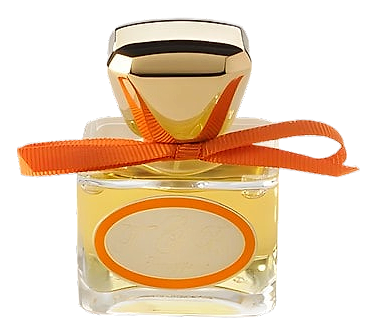
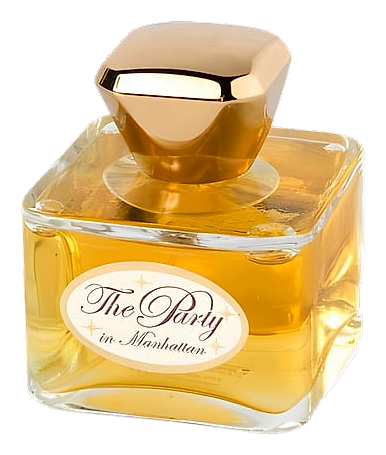
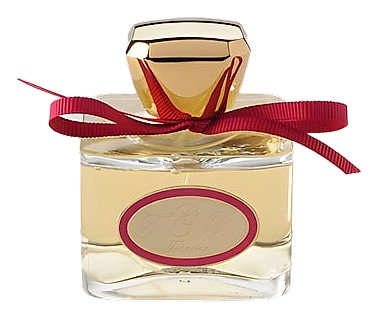
The Garden Party Tuberose arrived during the 2000s as one of several Garden Party fragrances from The Party, each focused on a single botanical. This one centers on tuberose, the most assertive white floral in the perfumer's toolkit, paired with the warm-spice opening of cinnamon and bergamot. Sources list multiple Garden Party editions, including Iris, Wistaria, Frangipane, and Tuberose, though no exact count is confirmed. Tuberose stands as the boldest of the bunch, the one that commands attention. The other Garden Party editions explore wistaria, frangipane, and iris, but tuberose gets the loudest bloom. The composition carries an old-school opulence from the first spray, with the cinnamon lending a sweet, almost candied warmth that softens the flower's sharper edges.
What makes this composition distinctive is the structural contrast between warmth and brightness, sweetness and smoke. The cinnamon in the opening sets a warm-spice frame that carries through the heart, where violet and cyclamen add a powdery, slightly cosmetic edge that softens the intensity of the central flower. Lily of the valley brightens the middle, keeping the composition from turning too dense or heavy. The base of tolu balsam, frankincense, patchouli, and moss grounds everything in a smoky, resinous warmth that prevents the tuberose from floating away into pure airiness.
The evolution
The first fifteen minutes belong to bergamot and cinnamon, a crisp citrus brightness undercut by warm, almost pastry-like spice that smells like fresh-baked something with a dusting of sugar. Then the tuberose enters with weight, creamy and full, joined by violet and lily of the valley that soften the edges without dulling them. Cyclamen adds a green-tinged lift that keeps the heart from going flat, lending a watery freshness that brightens the heavier floral notes. After about two hours, the florals begin to recede and the base takes over: tolu balsam brings a honeyed warmth that feels golden and slightly syrupy, frankincense adds a smoky thread that weaves through the resin, and patchouli and moss settle into something earthy and close to the skin. The heliotrope lends a final powdery sweetness in the last few hours, a soft almond-like whisper that lingers as everything else fades.
Cultural impact
Tuberose carries a long presence in fragrance history, one of the most recognizable white florals in the perfumer's palette and a flower that has appeared in compositions for generations. Its scent is dense, creamy, and almost intoxicating, with a sweetness that reads as both pure and slightly provocative depending on how it's handled. In the language of flowers, tuberose has long carried associations with sensuality and pleasure, and its presence in a fragrance signals intention, a choice to lean into richness rather than restraint.