The Story
Why it exists.
The beginning
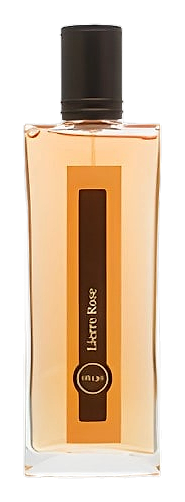
Lierre Rose came together in 2007, the work of Jacques Chabert. Chabert built the composition around a dense floral core: Indian tuberose, rose, ylang-ylang, violet, jasmine, with cypress and cardamom at the edge to keep the sweetness from going soft. The tuberose carries a green, almost camphoraceous edge that pushes against the sweetness of the rose, while the ylang-ylang adds a custardy warmth beneath both. Violet folds in with a powdery coolness, a shade of iris-like restraint that keeps the bouquet from tipping into full opulence. Jasmine sits in the background, indolic and warm, bridging the heart florals to the base.
What separates Lierre Rose from the long lineage of white-floral bouquets is the structural choice of running Indian tuberose through every layer. Tuberose appears in the opening, the heart, and the base, anchoring the composition while the other florals orbit around it. The Indian tuberose brings a specific density, fatty and vegetal at once, with a coconut-like lactone quality that thickens the texture of the whole fragrance. When it shares the heart with ylang-ylang, the two amplify each other's creamy, almost rubbery warmth, pushing the bouquet toward something heavier than air.
The evolution
On skin, Lierre Rose opens with a compressed hit of neroli and cypress, green and slightly bitter, the cardamom cutting through underneath like a blade catching light. The violet absolute folds in early, powdery and cool, softening the green edges before the florals arrive. Within twenty minutes, the heart takes over: tuberose and ylang-ylang push forward together, heavy and golden, with jasmine threading behind them. Rose rides through all three phases but changes register as it goes, bright and jammy at first, then darker and more velvety as the composition cools. The base settles into Haitian vetiver and sandalwood, both warm and slightly earthy, with the tuberose refusing to fully leave, clinging to the drydown like a memory that won't fade.
Cultural impact
Lierre Rose sits quietly in the world of white-floral fragrances, appreciated by wearers drawn to tuberose compositions with real density. It reads as a study in texture: one flower, repeated through every phase, given structure by spice and grounded by vetiver and sandalwood. The composition holds its weight without ornament, relying on the interaction of natural materials rather than synthetic shortcuts. The cypress and cardamom at the edges give it an herbal sharpness that prevents the florals from dissolving into sweetness, while the base of vetiver and sandalwood anchors everything in a warm, slightly mineral earthiness.