
    Brand Profile

    The Party is a niche fragrance line that captures the energy of social gatherings in scent form. Launched at the turn of the millennium, the…More

    United States·Est. 1999

    3.7

    Rating

    7
    The Garden Party Iris by The Party
    3.7

    The Garden Party Iris

    The Party in Manhattan by The Party
    Best Seller
    4.3

    The Party in Manhattan

    The Garden Party Tuberose by The Party
    Best Seller
    4.3

    The Garden Party Tuberose

    The Garden Party Wistaria by The Party
    Best Seller
    4.2

    The Garden Party Wistaria

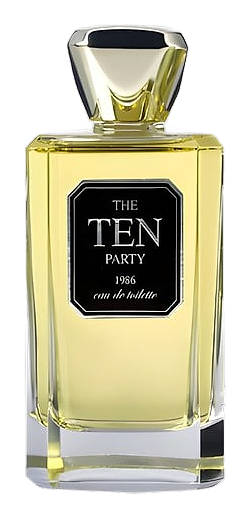
    The Ten Party 1986 by The Party
    4.0

    The Ten Party 1986

    The Garden Party Frangipane by The Party
    3.9

    The Garden Party Frangipane

    The Party in Paris by The Party
    3.8

    The Party in Paris

    The Heritage

    The Story of The Party

    The Party is a niche fragrance line that captures the energy of social gatherings in scent form. Launched at the turn of the millennium, the brand offers a series of limited‑edition perfumes that reference specific celebrations, from rooftop soirées in Manhattan to garden fêtes in Paris. Each bottle invites the wearer to recall a moment of joy, using bright top notes that unfold into richer, more nuanced heart and base layers. The collection has grown to include several “Garden Party” variations, each built around a single floral or gourmand focus, as well as city‑specific editions that blend local character with universal festivity. The brand’s modest distribution keeps the releases rare, encouraging collectors to seek out each new launch as a seasonal highlight.

    Heritage

    The Party emerged in the late 1990s, reportedly founded by a small independent house based in New York that wanted to explore the theme of celebration through perfume. The first public release, The Ten Party, appeared in 1986 as a limited run for a private event, and the brand reissued it in 2008 alongside a new city‑centric scent, The Party in Manhattan. In 2000 the line expanded with a quartet of Garden Party fragrances—Tuberose, Wistaria, Frangipane, and Iris—each highlighting a single botanical note. The Party in Paris followed in 2010, pairing the urban vibe of the French capital with a fresh, citrus‑spiced composition. Over the next decade the brand maintained a steady cadence of releases, often aligning new scents with notable cultural moments such as fashion weeks or art exhibitions. While the company has never disclosed extensive financial data, its consistent presence in specialty boutiques and online fragrance archives suggests a dedicated niche following. The brand’s history reflects a pattern of modest growth, focused on creative storytelling rather than mass market expansion, and it continues to operate under the original ownership structure established at its inception.

    Craftsmanship

    The Party produces its scents in small batches, allowing close monitoring of each step from raw material selection to final bottling. The house sources many of its floral absolutes from farms in Grasse, Tuscany, and Japan, where growers employ traditional harvesting methods that preserve aroma integrity. For gourmand components such as frangipane, the brand works with artisanal confectioners to capture authentic flavor notes without relying on synthetic substitutes. Each formula undergoes a series of stability tests in controlled temperature and humidity chambers, ensuring that the fragrance maintains its character over time. The production facility uses stainless‑steel mixers and low‑temperature blending to protect volatile ingredients. Quality control includes blind panel evaluations by a rotating group of trained noses, who assess balance, projection, and longevity. Bottles are hand‑filled, sealed with custom caps that often feature a subtle metallic accent, and then packaged in matte black boxes with a single embossed line of text that references the specific celebration the scent represents.

    Design Language

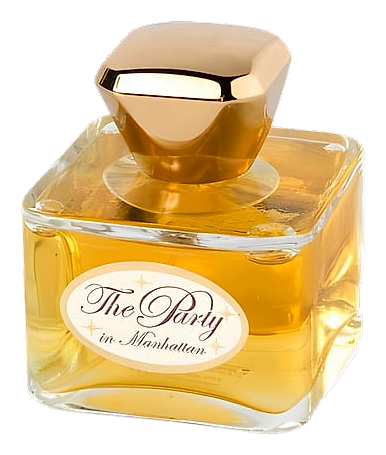
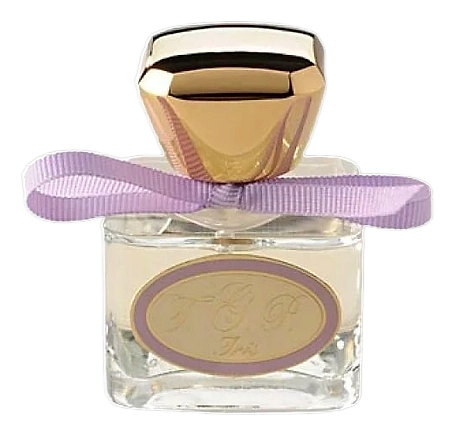
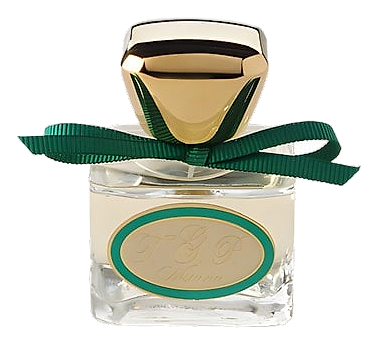
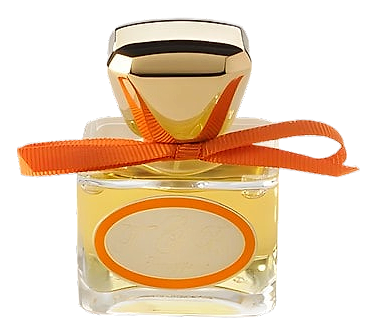
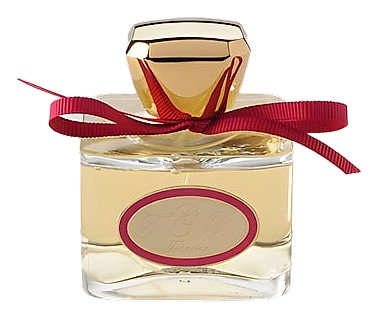
    Visually, The Party embraces a minimalist yet festive design language. Bottles are typically clear or lightly tinted glass, allowing the perfume’s hue to hint at its theme—soft pink for Tuberose, pale green for Iris, amber for Manhattan. The caps are finished in brushed metal, sometimes bearing a small engraved motif such as a confetti swirl or a stylized champagne glass. Labels consist of a single line of sans‑serif type, printed in matte black on a textured white background, with the fragrance name and year of release. The outer packaging mirrors this restraint: a sturdy cardboard box with a spot‑UV treated band that catches the light, echoing the sparkle of a party atmosphere. Marketing imagery often features candid photographs of gatherings—people laughing under string lights, tables set with seasonal flowers—rather than staged studio shots, reinforcing the brand’s emphasis on authentic celebration.

    Philosophy

    The Party approaches perfumery as a narrative of shared experience. The creators believe that scent can mark a gathering as clearly as music or décor, and they design each fragrance to evoke a specific setting. The brand values authenticity, sourcing ingredients that convey the texture of a real celebration—freshly cut flowers, sparkling citrus, warm spices, and subtle gourmand notes that recall shared desserts. Sustainability informs the sourcing process; the house works with growers who practice responsible agriculture, and it prefers natural extracts when they meet the desired olfactory profile. The creative team collaborates with event planners and artists to ensure that each launch aligns with a broader cultural moment, reinforcing the idea that perfume is part of a larger sensory tableau. Transparency, limited production, and a focus on storytelling remain central to the brand’s identity.

    Key Milestones

    1999

    The Party brand is founded in New York as an independent fragrance house

    2000

    Launch of the Garden Party quartet: Tuberose, Wistaria, Frangipane, and Iris

    2008

    Reissue of The Ten Party and debut of The Party in Manhattan

    2010

    Release of The Party in Paris, inspired by French street markets

    2015

    Collaboration with a Parisian event planner for a limited edition garden scent

    2022

    Introduction of a sustainable packaging line using recycled glass

    At a Glance

    Brand profile snapshot

    Origin

    United States

    Founded

    1999

    Heritage

    27

    Years active

    Collection

    1

    Fragrances released

    Avg Rating

    3.7

    Community sentiment

    Release Rhythm

    2010
    1
    2008
    2
    2000
    4

    Did You Know?

    Interesting Facts

    Distinctive details and defining moments that shape the house personality.

    01

    The Party in Manhattan was reportedly inspired by a rooftop gathering on the Upper West Side in the summer of 2007.

    02

    The Garden Party Iris uses iris root that is aged for three years before extraction, a practice uncommon in mainstream perfumery.

    03

    A limited edition of The Party in Paris was packaged with a hand‑crafted silk ribbon sourced from a family mill in Lyon.

    04

    The brand’s bottling line operates on a schedule that matches the lunar calendar, a nod to the cyclical nature of celebrations.

    05

    Each Garden Party fragrance was paired with a specific cocktail recipe in the original launch booklet.