
The Story
Why it exists.
The beginning
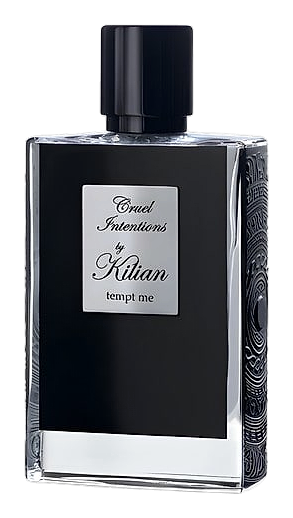
Cruel Intentions arrived in 2007 as part of By Kilian's debut collection, L'Oeuvre Noire. The name alone announces the house's intentions: perfume as provocation, not polite conversation. This was By Kilian's first statement, a declaration that fragrance could be daring, could have a point of view. Sidonie Lancesseur translated that ambition into a composition that refuses to behave.
The oud is the point. Worth more than its weight in gold, the fragrance industry has always known, and By Kilian used it without apology. But Cruel Intentions isn't a heavy-handed oud bomb. The genius is in the trap: bergamot from Calabria opens bright, almost sweet, almost safe. Then the rose deepens, the woods arrive, and by the time you notice the oud, it's already home. It's a seduction composition in the truest sense, you don't realize you've been had until you're already wearing it.
The evolution
The opening hits crisp and bright. Bergamot, violet, African orange flower, a flourish of freshness that reads almost delicate. But give it twenty minutes. The Centifolia rose swells, and with it comes a woody warmth that shifts the entire register. The papyrus and Haitian vetiver arrive quietly, adding elegance and a hint of smoke. Then the oud enters. Not aggressively, it doesn't need to be. It simply takes over, wrapping around the composition like it belongs there. By hour three, the styrax and castoreum emerge, warm and animalic, while sandalwood and vanilla smooth everything into a long, powdery drydown. The castoreum lingers especially, that quiet animal warmth that stays close to the skin for hours. On fabric the next morning, there's still something there: woody, faintly sweet, the ghost of what was once bright. This fragrance doesn't disappear. It evolves, settles, and stays.
Cultural impact
Cruel Intentions sits in a specific corner of the fragrance world: the oud-rose intersection, where luxury meets provocation. It's not for everyone, the oud can overwhelm those expecting a gentle floral, and the vetiver-heavy drydown reads masculine to some noses. But for those drawn to complex, long-lasting compositions with a dark edge, it's earned its reputation. The fragrance has remained relevant since its 2007 debut, weathering trends toward both lighter citruses and heavier orientals. It's worn by those who want something with a point of view, someone who walks into a room and doesn't need to announce themselves.