The Story
Why it exists.
The beginning
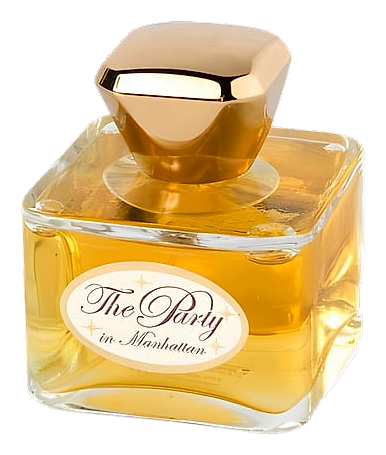
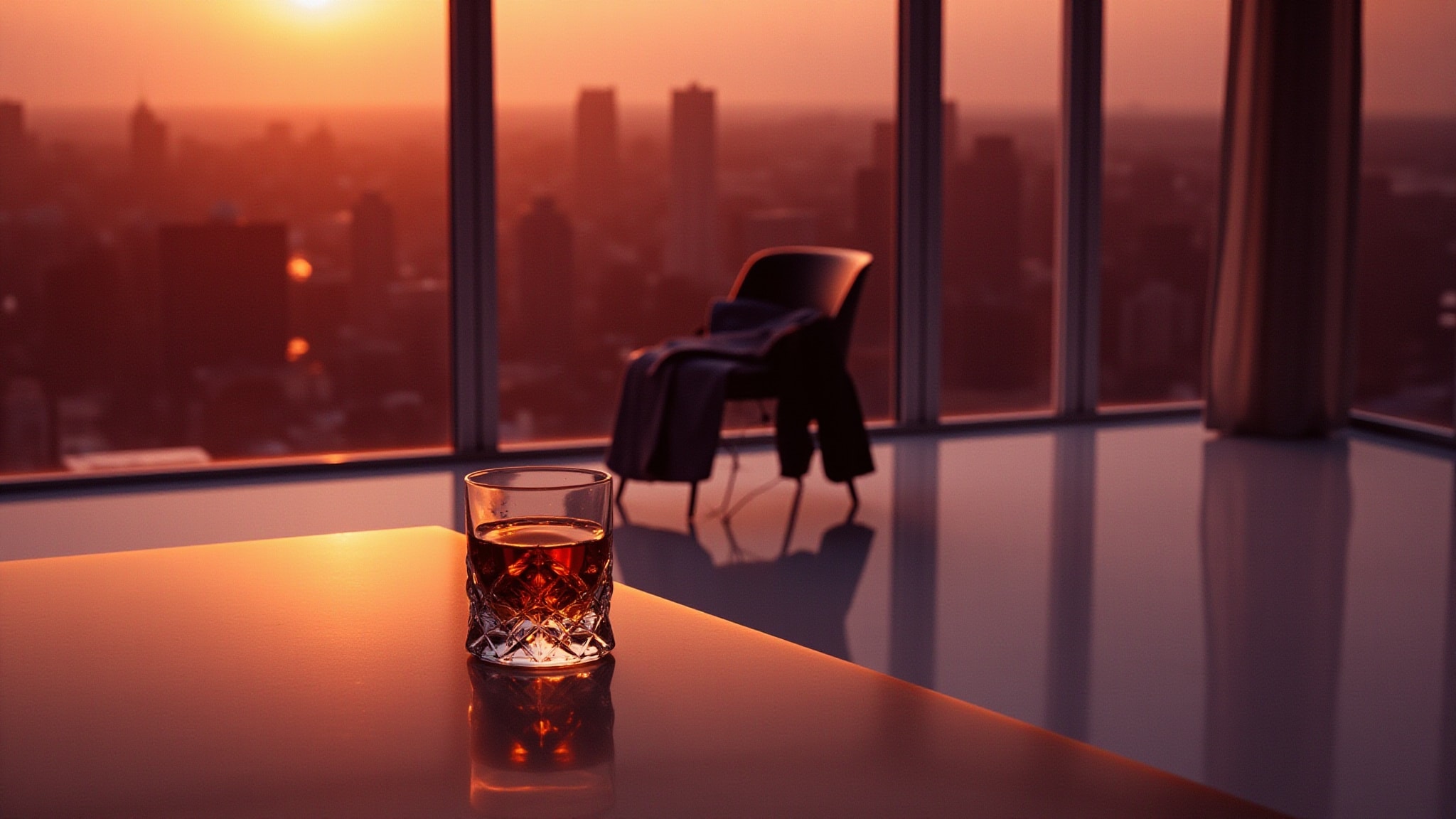
Manhattan is the idea. Not the postcard skyline or the tourist version, the real one. The energy of a city that doesn't pause for anyone, where celebrations feel like they're being planned and abandoned simultaneously in the same breath. The Party wanted to bottle that particular electricity: the moment before a room fills, when the glasses are cold and the music hasn't started yet but everyone's already here. In 2008, the brand released The Party in Manhattan as its city-centric counterpoint to the Garden Party series, shifting from single-flower compositions to something more layered and urban. The name says exactly what it means.
The unusual note here is bourbon whiskey in a chypre structure. It shouldn't work, whiskey reads as gourmand, chypre reads as classical, and the two don't always play well together. But the whiskey note in this composition is dry rather than sweet, almost spirit-forward in the opening before it settles into something warmer. Carrot seed is another left-field choice that could read as too vegetal, too earthy, but here it threads into the carnation and sage and keeps the opening from smelling like a perfume instead of a moment. The result is a fragrance that smells like it was made by someone who's actually been to the party, not someone who read about it.
The evolution
The first ten minutes announce themselves. Bergamot and tangerine hit bright and citrus-clean, then bourbon cuts through with an almost medicinal warmth, sharp enough to register as unusual, sweet enough to feel welcoming. Carnation adds a clove-like spice, clary sage an herbaceous counterweight. The carrot seed lingers in the background, giving the whole opening an earthy undertone that stops it from smelling like a cleaning product. Around the thirty-minute mark, jasmine and ylang-ylang take over. The florals don't compete with the top notes so much as absorb them, the whiskey warmth softens, the citrus recedes, and what remains is a lush, slightly indolic heart that feels like it belongs to a different fragrance entirely. Rose tincture adds a honeyed complexity, iris a powdery violet edge. The drydown takes another two to three hours to fully arrive. Oakmoss is the anchor here, earthy and mossy, with vetiver adding a grassy, mineral quality that outlasts everything else.
Cultural impact
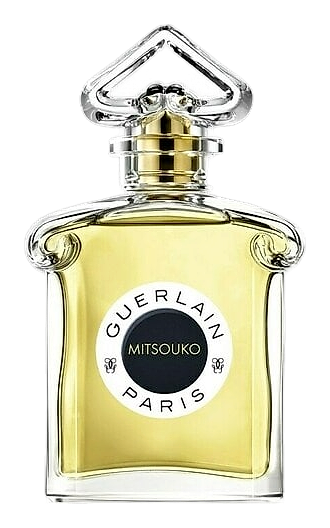
When The Party in Manhattan arrived in 2008, it landed in a fragrance landscape still dominated by either safe florals or loud orientals. The whiskey note was unexpected, a gesture toward bar culture that felt more downtown than perfumery. Wearers who connected with it found something that smelled like experience rather than aspiration. The comparison to Mitsouko surfaced early, but where Guerlain's icon carried melancholy, this version carried something lighter: the feeling of a party that's actually good.