The Story
Why it exists.
The beginning
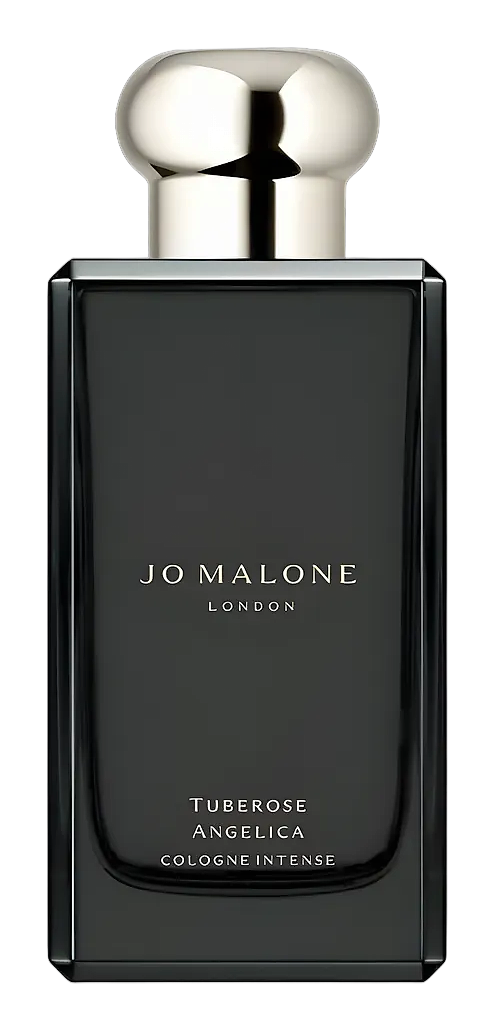
Marie Salamagne built this around a tension: cool green angelica against warm, almost overwhelming tuberose. The pairing isn't accidental. Angelica brings a quiet bitterness, an herbaceous snap that keeps the tuberose from tipping into sweetness. The opening bursts with a crisp, green bitterness that feels like a freshly cut stem, while the tuberose unfurls in a lush, almost languid wave of creaminess. As the scent settles, the initial sharpness of the angelica softens, allowing the tuberose to deepen and develop a waxy, velvety quality that lingers on the skin. Over time the fragrance drifts into a gentle dry down where the herbaceous edge fades, leaving behind a lingering, honeyed floral warmth that feels both airy and intimate.
The structure is minimal by design. Three ingredients, three layers, but each one takes up considerable space. Angelica isn't a fleeting top note, it lingers for the first twenty minutes, green and almost medicinal, a counterweight to what comes next. The tuberose arrives as the main event, indolic and heady, the kind of white floral that justifies its reputation as one of perfumery's most powerful materials. Amberwood in the base is where the sophistication lives, a woody note with warm amber qualities that holds everything without announcing itself. The result is a fragrance that moves from cool to warm, from sharp to sumptuous, without the journey feeling forced.
The evolution
The opening is all green snap, angelica's bitter, almost peppery quality cutting through the air like cold water. It lasts longer than most top notes, holding the line for fifteen to twenty minutes before the tuberose fully arrives. Once it does, the character shifts. The white floral takes over, creamy and indolic, moving close to the skin rather than projecting outward. The amberwood base is quiet throughout, present but never loud, the warm foundation that keeps the tuberose from becoming overwhelming. By hour four, the florals begin to recede. What's left is a soft, woody warmth that stays intimate, close, personal. Moderate sillage throughout. It won't fill a room, but it doesn't need to.
Cultural impact
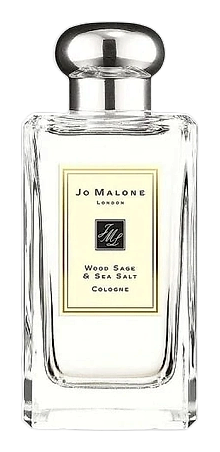
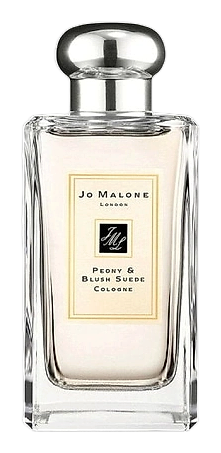
Jo Malone London's approach to white florals tends toward restraint rather than declaration. Tuberose Angelica fits that philosophy: tuberose done with angelica's green snap keeping it from becoming a gardenia sunscreen. The fragrance positioned itself as an alternative for those who wanted the material's beauty without its typical loudness. In the context of the brand's broader collection, where Peony & Blush Suede reads as delicate and Wood Sage & Sea Salt as minimal, this lands as the more sensual, more assertive offering. The 2014 launch came during a period when the brand was expanding its range under new creative direction, and the tuberose note signaled ambition: a willingness to go heady when most of the line favored cool.