
The Story
Why it exists.
The beginning
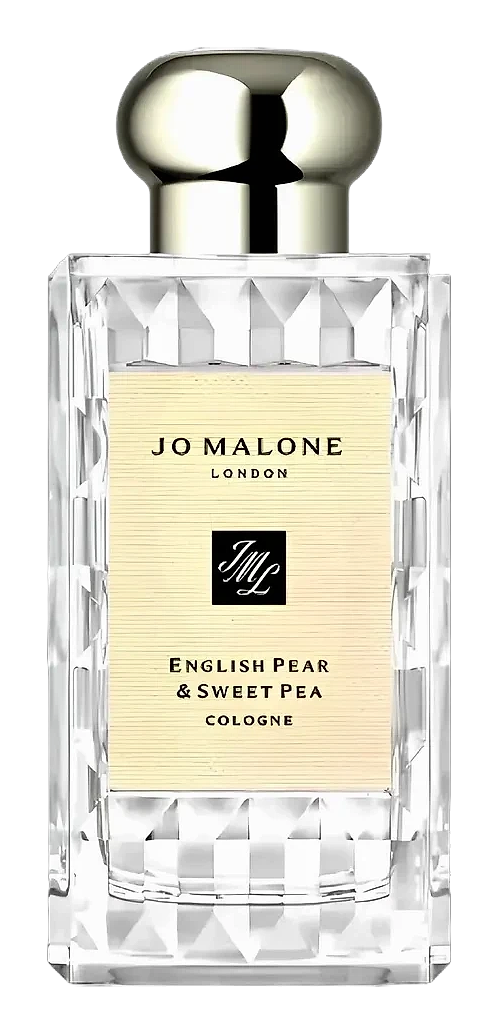
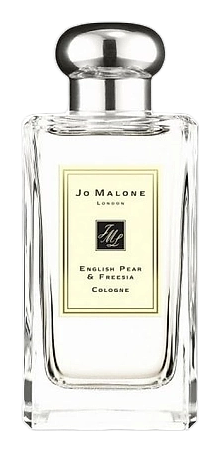
Christine Nagel created English Pear & Freesia for Jo Malone London's autumn 2010 collection. The brief was rooted in something specific: the moment a pear ripens past crisp and enters golden, almost translucent territory. Nagel, who built her career at Jo Malone London before departing in 2014, understood the brand's layering philosophy, each fragrance needed to work alone but also invite combination. The pear note wasn't just fruit; it was a particular English autumn, the kind where orchards feel heavy and the air smells both sweet and green. The Keats reference in the brand's launch materials pointed to that same sensibility: seasonal, literary, quietly romantic.
What makes this structure unusual is how the base arrives early and stays late. Most fragrances give you top notes that clear before the heart emerges. Here, the patchouli and amber are present from the opening, lending the fruit a grounded quality rather than a floating one. The rhubarb note, green, slightly sour, keeps the sweetness from becoming one-dimensional. It's a composition that front-loads its depth, which explains why some wearers find it more complex than expected for a cologne concentration. The layering philosophy shows: there's enough going on underneath that combining it with something else feels natural rather than necessary.
The evolution
The pear opens bright and immediate, not synthetic-fruit like a candle, but real fruit, the kind with juice running down your wrist. Within ten minutes, the freesia arrives and softens everything. The rose stays quiet, more atmosphere than statement. Then the base notes do what Jo Malone bases do: they linger. The patchouli and amber create a warmth that persists past the four-hour mark on most skin types, becoming skin-close rather than projecting. There's a moment around hour three where the fragrance feels like it started, the pear and freesia have faded but something warm and slightly sweet remains, the ghost of the fruit, the shadow of the florals. On fabric, it can last into the next day.
Cultural impact
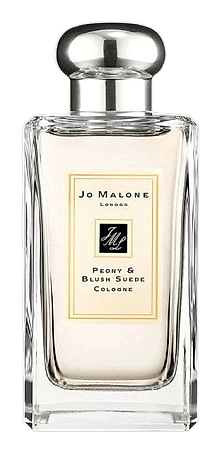
English Pear & Freesia became Jo Malone London's signature scent for a generation of wearers who wanted something clean and feminine without being invisible. It sits alongside Peony & Blush Suede as one of the house's most recognizable compositions, the one people reach for when they want fragrance to be present but not announced. The reception skewed warm: wearers describe it as the scent of someone who walks into a room and doesn't need to announce themselves. It lacks the drama of darker florals but earns its place through versatility and wearability.
The House
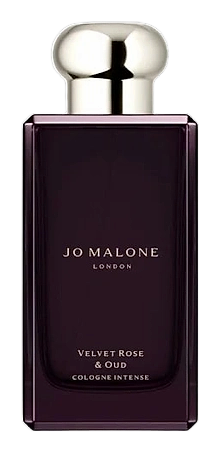
Jo Malone LondonJo Malone London is a British fragrance house founded by Jo Malone in 1990 and now owned by Estée Lauder Companies. The brand built its reputation on a signature layering concept that lets wearers combine colognes into personal signature scents. Each fragrance begins with a story, whether drawn from childhood memories, British traditions, or sensory moments. The collection spans delicate florals like Peony & Blush Suede alongside richer compositions such as Velvet Rose & Oud. Known for understated bottles finished with black script lettering and a colored ink matching each scent, the brand maintains a refined British aesthetic across over 30 countries. The house continues releasing new fragrances under Estée Lauder while preserving the creative philosophy Jo Malone established.
The Creator
Christine NagelNagel occupies a distinctive space in contemporary perfumery, favoring sensual, textured compositions over the clean minimalism that dominated for decades. Her fragrances often feature unexpected contrasts: mineral and floral, salty and sweet, cool and warm.