The Story
Why it exists.
The beginning
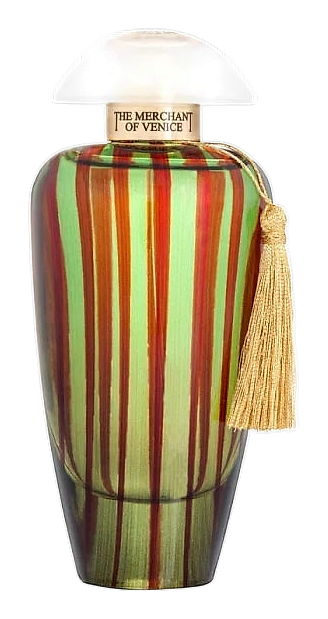
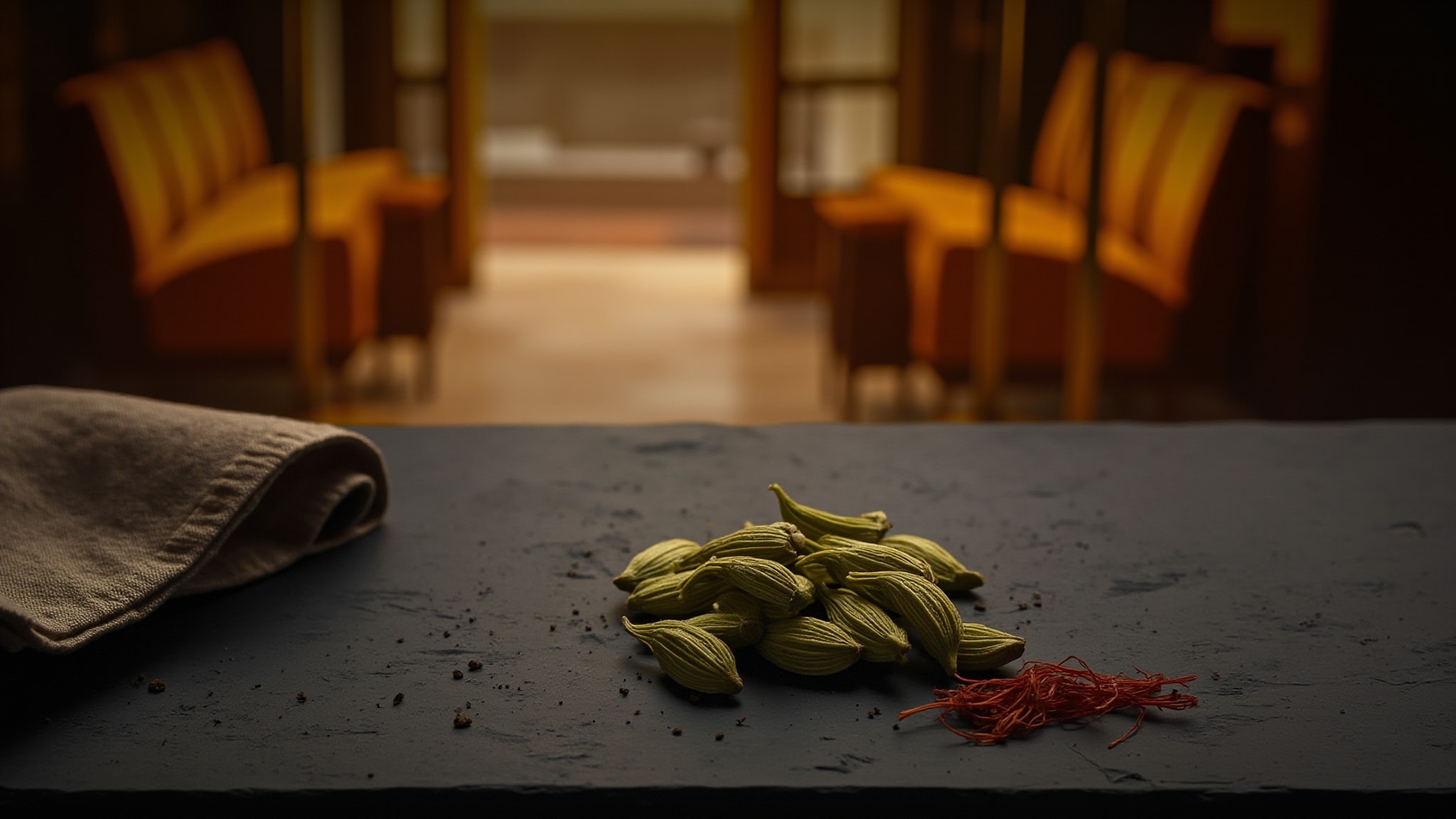
Asian Inspiration reads as a postcard from the other end of the trade routes that defined Venetian commerce. The Rialto was never just glass and marble; it was cardamom, saffron, oud, and the merchants who carried them across the lagoon. The Merchant of Venice captures that exchange in a wearable format, translating Eastern raw materials into the language of European perfumery. This particular composition treats spice as architecture rather than decoration. It speaks to the layered history of Venice as a port city, a place where goods from distant markets arrived, were traded, and left an imprint on local culture. The fragrance leans into that heritage with confidence, letting cardamom, saffron, and oud take center stage without diluting their character with sweetness or compromise.
What makes this composition unusual is the structural honesty of its spices. Most green-spicy fragrances hide their warmth under bright citrus or drown it in amber. Here, the cardamom, black pepper, nutmeg, and saffron form a genuine aromatic architecture, each spice occupying its own register rather than blurring into a generic spicy wash. The oud in the heart is restrained, almost polite, present enough to shift the composition eastward without announcing itself as a statement. The base anchors with Java vetiver, Siam benzoin, white cedar, and a soft leather note.
The evolution
The opening is sharp and lifted, bitter orange carrying the cardamom like cargo on a dolly. Bergamot brightens the edges briefly, then recedes as the composition shifts its focus. Black pepper and clary sage arrive close behind one another, and the saffron threads through both, giving the heart a warm, slightly bitter glow rather than a sweet one. The nutmeg adds a dusty, almost woody texture that keeps things from getting too plush, a dry warmth that grounds the brighter spices. Oud appears here too, but it's the quiet kind, woody and leathery rather than medicinal or barnyard. As the top and heart begin to fade, the base takes over properly. Java vetiver brings a cool, earthy dampness that settles the composition into something more grounded. Siam benzoin adds a low, resinous hum, almost vanillic but never sugary, a warm undertone that supports without dominating.
Cultural impact
Asian Inspiration sits at an interesting crossroads in contemporary perfumery, drawing on spice traditions that have long fascinated Western fragrance houses while maintaining a distinctly green, aromatic profile. It carries cardamom, saffron, and oud without lapsing into the heavier, sweeter conventions of many modern spiced compositions. The balance it strikes between Eastern raw materials and European structural perfumery gives it a distinctive character. It doesn't feel like an imitation of either tradition; it reads as a conversation between them.