
The Story
Why it exists.
The beginning
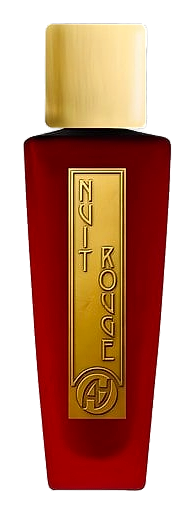
Nuit Rouge draws from the landscape Alessandria knows intimately: the volcanic slopes of Etna, the cold night air over Catania, the sudden red glow of molten rock against dark sky. The name itself is the concept, Red Night, and Alessandria built the fragrance to embody that tension between volcanic heat and cool darkness. Where his earlier work traced sunlit memories, Nuit Rouge turns toward the island's more dramatic side: the force beneath the surface, the heat that doesn't apologize for itself. The perfumer has spoken about ingredients that carry personal memory, and rhubarb, bright, almost electric, seems chosen precisely for that metallic coolness that feels like night air. This is Sicily at 2 a.m.
Five top notes is unusual density, rhubarb, grapefruit, currant buds, bergamot, lemon, and they arrive almost as a single chord rather than in sequence. The rhubarb's metallic quality stands out in the opening, giving it an immediate sharpness that citrus alone wouldn't achieve. The heart is equally packed: six notes including coffee and iris, a combination that adds both roasted warmth and powdery softness. The base compounds this complexity with eight materials, but the leather and incense carry the longest, with tonka bean's sweetness arriving late to round everything off. What makes Nuit Rouge work is that the density never feels muddy, the bright top keeps it aloft until the base is ready to take weight.
The evolution
The first five minutes hit hard and bright, rhubard's metallic tartness, grapefruit's sharpness, a bergamot-lemon chord that feels cold. Then the spices push through: saffron first, then nutmeg, then the coffee arriving as a warm counter to all that brightness. The heart takes maybe forty minutes to fully settle, and what you're left with is leather and incense holding everything together. The drydown is where it earns its name: the vanilla and tonka bean sweeten the smoke just enough, the musk keeps it close to skin. On fabric the next morning, there's still a ghost of cedar and leather. Lasts through the night without becoming heavy.
Cultural impact
When Antonio Alessandria created Nuit Rouge in 2014, it marked a deliberate departure from his earlier, lighter work. The launch coincided with a broader shift in niche perfumery toward darker, more complex compositions. Sicily's volcanic landscape around Mount Etna, which Alessandria has cited as inspiration, infuses the fragrance with a geological weight. Nuit Rouge arrived during the peak of niche fragrance's expansion into mainstream consciousness, appealing to collectors who sought scents that challenged rather than pleased. The combination of metallic rhubarb, leather, and incense positioned it against the sweet, aquatic trends of the era.