
The Story
Why it exists.
The beginning
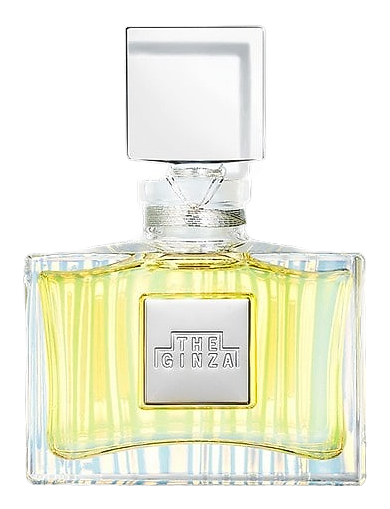
The Ginza fragrance was developed by Shiseido in 2020, released under its prestige skincare line that has long pursued timeless essence over trend. Karine Dubreuil-Sereni and Maïa Lernout built the composition around a single floral that actually grows in the Ginza district itself, the linden tree, whose blossoms appear each season along the Tokyo avenue the brand takes its name from. It is, in that sense, a scent with a local address.
What makes the structure interesting is the honesty of the materials. Linden blossom is not a note that perfumers reach for often, it requires, it to behave, to not vanish, to hold shape in a pyramid built for projection. Dubreuil-Sereni and Lernout answered that by pairing it with jasmine sambac and ylang-ylang in the heart, florals that share a creamy, slightly indolic warmth but diverge in texture. The linden lifts. The jasmine anchors. Together they hold the middle ground longer than most heart notes bother to.
The evolution
It begins with a wash of citrus, bergamot, sweet orange, lemon, bright enough to feel intentional, then the violet leaf and marjoram arrive to add something green and slightly herbaceous. Not a grocery store herb. More like the stem of a flower you've just picked. Within 30 minutes, the linden blossom takes over. This is where it stops being generic. The floral here is not rose or jasmine as you know them, it has a honeyed, slightly sour edge that no other note in the pyramid provides. The brown sugar in the base arrives quietly, threading sweetness through the wood without ever tipping into dessert. The sandalwood and cedar hold the drydown for 6-8 hours, close to the skin, present only if someone is already beside you.
Cultural impact
The Ginza sits in an unusual position: a prestige skincare brand's first full fragrance line, launched in 2020, a year that reshuffled what people wanted from scent. Wearers consistently describe it as the fragrance of someone who doesn't need validation. The linden blossom note, rarely used as a protagonist in Western perfumery, gives it a specificity that sets it apart from the yellow floral territory it could have easily occupied.