The Story
Why it exists.
The beginning
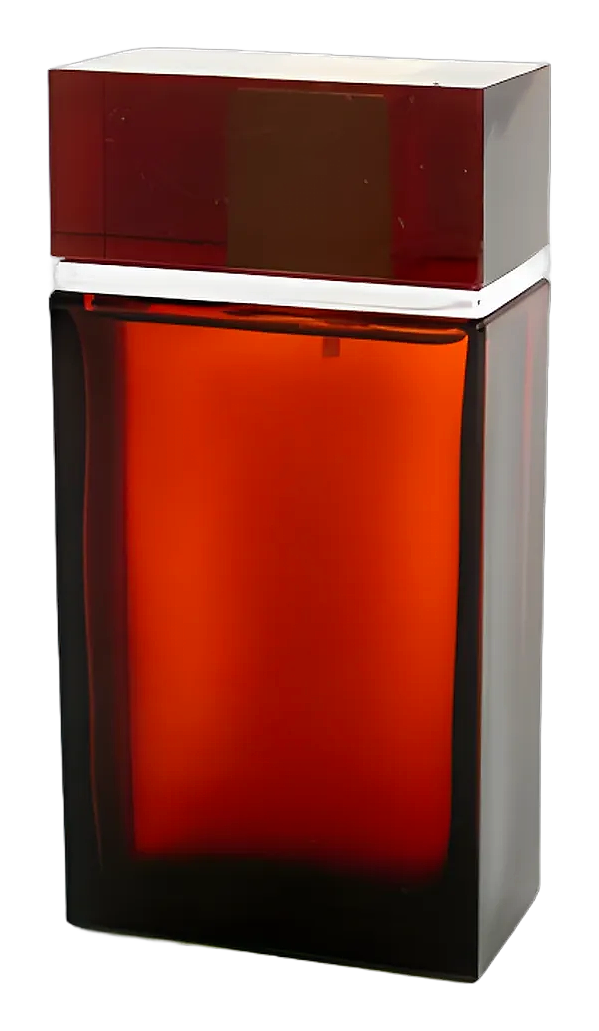
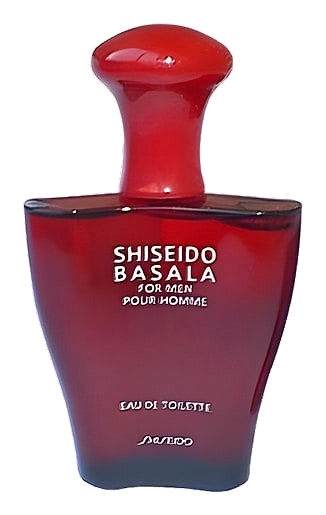
Basala arrived in 1993 from Shiseido's Paris laboratory, composed by Dominique Preyssas. The name itself suggests its character, a botanical reference point, grounded in earth and green matter. Preyssas built this fragrance as a statement: the 1990s might belong to aquatics and fresh cleansers, but there was still room for something richer, spicier, more structured. The brief wasn't comfort. It was conviction.
What makes Basala unusual is its pyramid density. Nine top notes, lavender, clary sage, basil, rosemary, bergamot, neroli, artemisia, green notes, fruity notes, create an opening that reads more like an herbalist's garden than a typical fragrance. Most compositions would simplify this. Preyssas kept the complexity. The heart adds caraway, rose, cinnamon, and carnation for spice, while the base leans heavily into leather, oakmoss, and labdanum, materials that ground everything that came before.
The evolution
The opening lasts a solid thirty minutes, all herbs and citrus brightness. Then the heart arrives: warmer, spicier, with cinnamon and carnation adding body. By hour three, the leather has settled in, not loud, but present, woven through cedar and oakmoss. The drydown is where Basala earns its reputation. Patchouli and amber hold court for hours, with coconut adding a faint creaminess that keeps the leather from going sharp. On fabric, it lingers into the next day.
Cultural impact
Basala found its audience among men who wanted complexity over comfort. As a discontinued vintage, it has become a collector's item, the kind of fragrance discussed in forums as a rare find, a remnant of an era when mainstream men's fragrances took risks. The aromatic-chypre structure places it in a lineage that includes heavier, more structured scents than the aquatic-dominant market of its time.