The Story
Why it exists.
The beginning
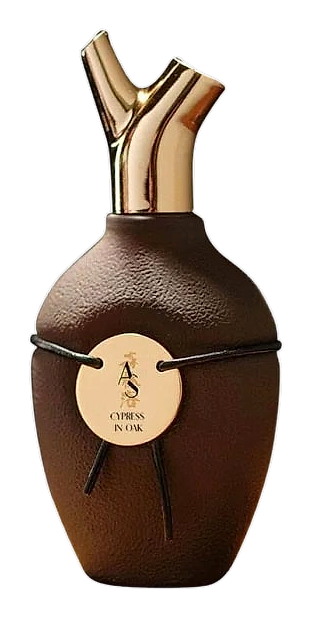
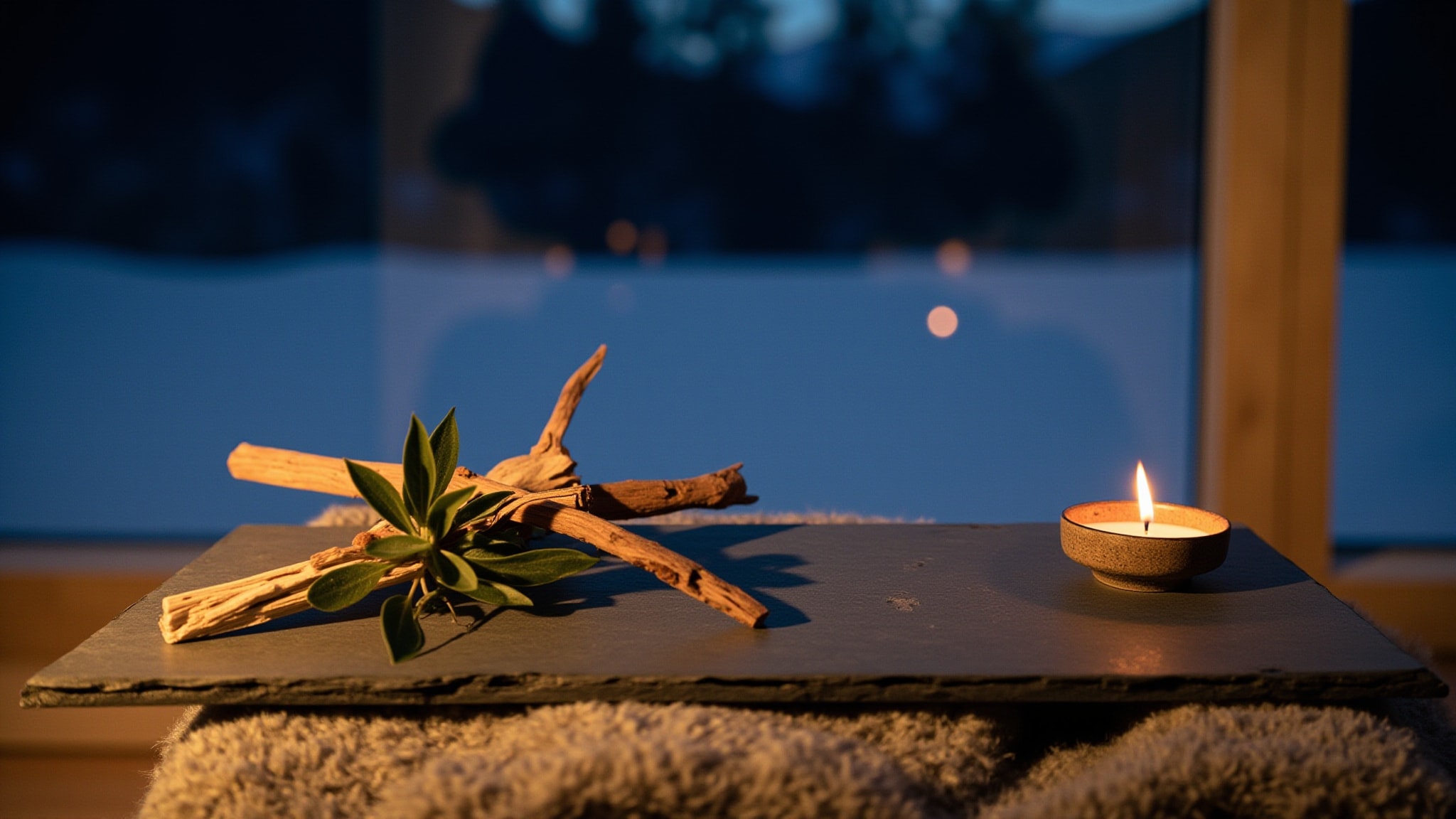
Cypress in Oak launched in 2020. Its name is the composition's blueprint, each word pointing to a specific ingredient doing specific work. Cypress for the resinous green rising through the trees, the sap-and-needle brightness that hits your nose before you see a single branch. Oak for the oakmoss absolute anchoring the base, that dark, damp, almost fungal note that smells less like a tree and more like the ground a tree grows out of. The scent was built to ask you to slow down and pay attention to what forests actually smell like, minus the cologne shorthand. Not the Christmas-tree version of pine. The real thing. Wet bark, cold stone, the breath you take when you stop moving and let the air catch up to you.
What makes this composition worth examining is what it leaves out. No lavender softening the edges. No citrus up top playing the role of freshness. The green here comes from cypress and fir balsam absolute, both of which carry their own weight of resin and depth rather than the bright herbal snap most fragrances reach for. Oakmoss absolute provides the earthy density. Ambertonic adds a quiet warmth. Cashmeran wraps the whole thing in a soft, woody musk that reads more like a worn jacket than a synthetic base. It's a forest built from materials that don't need to announce themselves.
The evolution
The first thirty minutes are green and sharp. Cypress and fir balsam lead, reading almost medicinal at first, the way the air tastes when you walk out of a warm car into cold mountain air. Cedar and Virginia cedar come in close behind, and the whole thing starts to feel less like a cologne and more like a place. By the two-hour mark the oakmoss has settled into the base of everything, and the mineral notes start doing their work, pulling the composition toward stone, toward something geological rather than botanical. Cashmeran arrives in the drydown and smooths the edges without softening them, lending a subtle woodiness that rounds out the sharper green notes from the top. What remains at hour six is warm, woody, slightly sweet from the Ambertonic, and entirely skin-close. A shirt smells like this the next morning.
Cultural impact
Cypress in Oak appeals to wearers who want their forest without the cologne shorthand. It reads less like a designer masculine and more like something a naturalist would actually reach for, a fragrance built around the idea that green can be an honest scent rather than a marketing category. There's something appealingly specific about it, a refusal to flatten the woods into something palatable for a mass audience.
The House
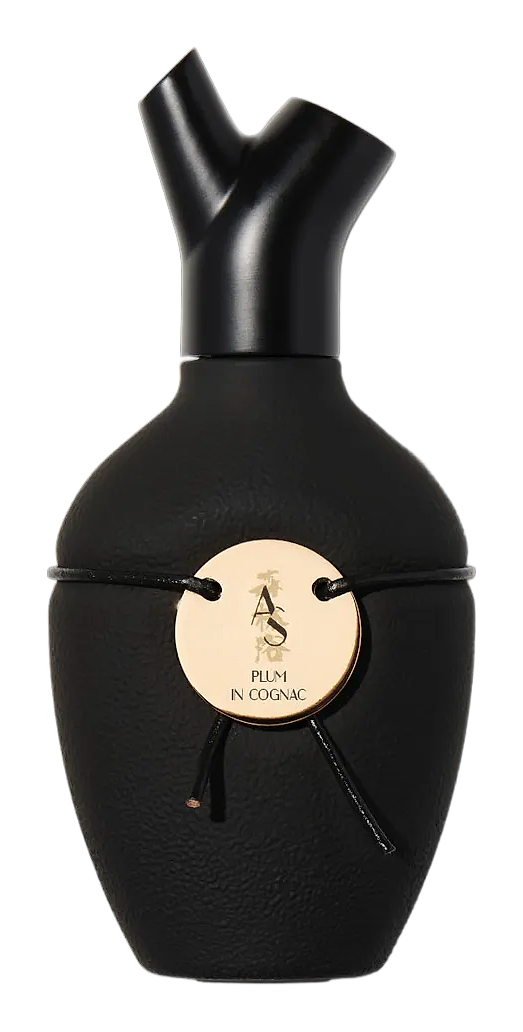
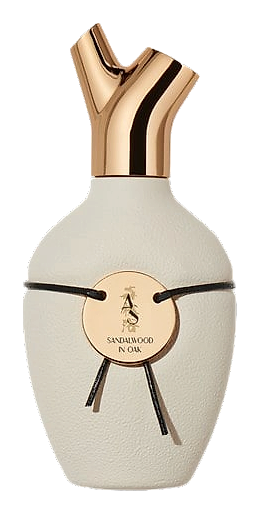
Scents of WoodScents of Wood is a Utah-based fragrance house built around a radical premise: the alcohol base should not merely carry a scent, but become part of it. Founded by former L'Oréal executive Fabrice Croisé, the brand ages organic cane alcohol in pre-used wooden barrels sourced from Scotland, Kentucky, Cognac, and beyond, infusing each fragrance with nuanced layers of whiskey, maple, and aged wood. Operating under three names across markets (Scents of Wood, L'Âme du Bois, Shinrin-yoku), the house presents itself as a love letter to forests and the olfactory world of trees. Top seller Plum in Cognac received the 2021 Fragrance Foundation Perfume Extraordinaire of the Year Award. Perfumer Mackenzie Reilly crafted the signature scent Sandalwood in Oak, released in 2020 alongside the brand's founding.
The Creator
Mackenzie ReillyMackenzie's olfactory fingerprint favors clarity and intentionality over complexity for its own sake. Her minimalistic approach highlights key ingredients without unnecessary embellishment, letting singular materials command attention.