The Story
Why it exists.
The beginning
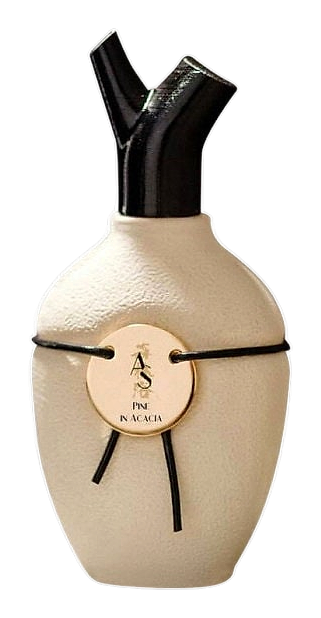
Pine in Acacia is a love letter to conifer written by perfumer Pascal Gaurin, whose approach treats every green note as a structural element rather than a top-note gesture. Scents of Wood's barrel-aged alcohol base gives the formula its own kind of authority, the kind of depth most green fragrances reach for but never quite land on. The scent conjures the dense, vertical presence of an Atlantic pine forest in the southwest of France, where trees crowd together in heavy stands and the air hangs thick with resin. There is a particular quality to woods like these, a layered greenness that smells neither sweet nor bright, only alive, and that quality runs through every phase of the composition.
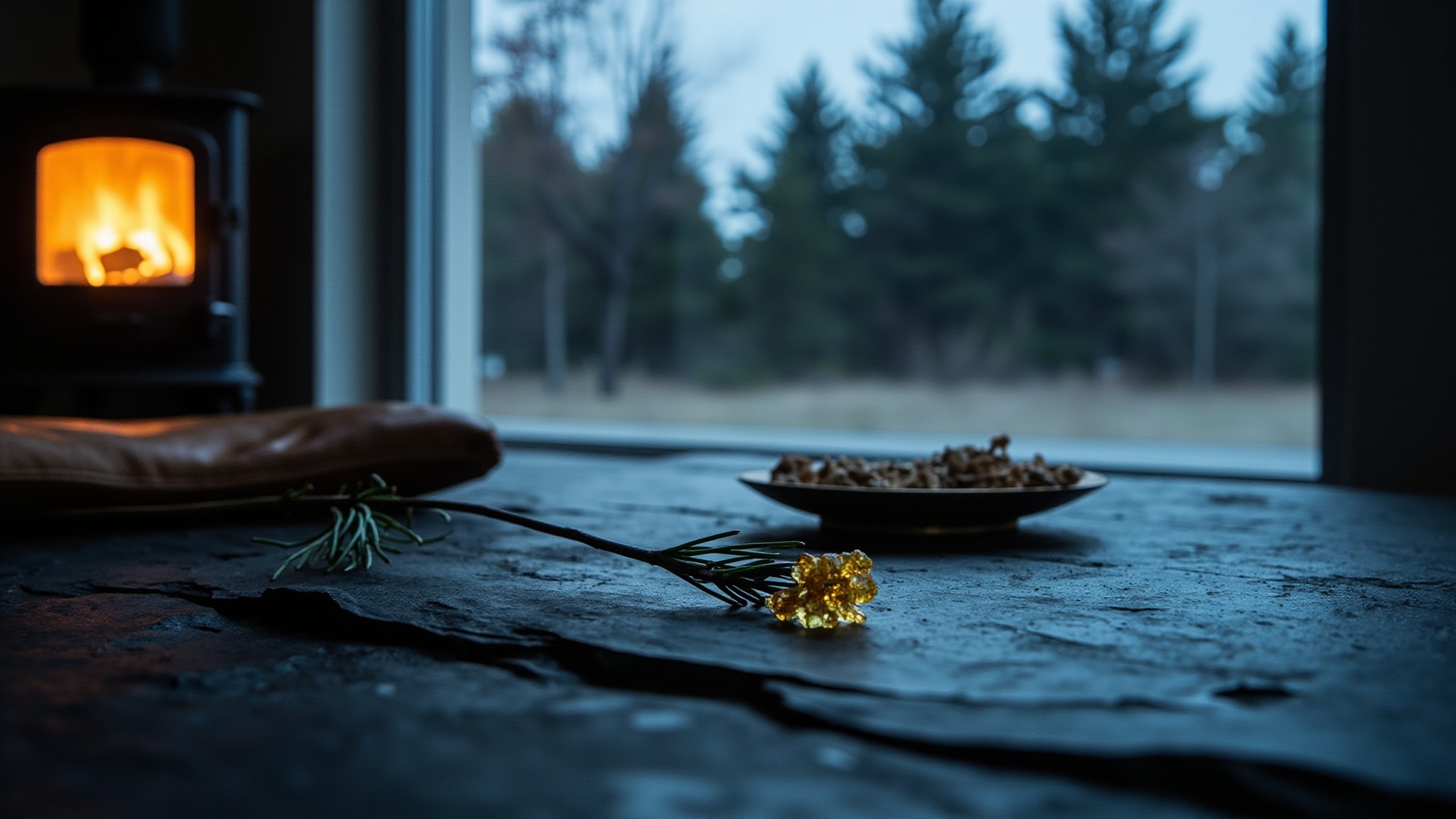
What defines the composition is the structural use of Vertonic™, an aromachemical that lends a dusty, almost metallic edge reminiscent of crushed stems. This is the note that gives the pine its intellectual backbone and sets the mood before the natural materials arrive. Balsam fir contributes a sticky-sweet resin quality that you only notice once you're standing inside a real conifer, the depth of the tree rather than the silhouette.
The evolution
The opening is blunt. Pine, sharp and resinous, with that dusty Vertonic edge cutting through the first five minutes like wind through dry needles. There is no gentle ramp-up, no polite introduction, it arrives already in the forest. By the fifteen-minute mark, the cypress starts to organize the chaos, and the Provençal lavender surfaces just enough to soften the angle without ever making it pretty. The balsamic weight of fir absolute settles underneath, giving the whole composition a low, sweet warmth that you feel more than smell. As the hours pass, the relationship between the materials shifts in subtle ways. The pine retains its resinous core while the edges round and darken, and the cypress weaves through with a steady, almost architectural presence.
Cultural impact
Pine in Acacia takes its green profile at face value. The composition centers on pine and supporting conifers, with lavender, thyme, and pink pepper lending herbal lift, and a base of vetiver, cedar, and oakmoss anchoring the whole thing in mineral, woody earth. It reads as a study in green composition for those who already appreciate how rare a convincingly resinous pine fragrance can be, one that commits to the fullness of the forest floor rather than a single bright note.