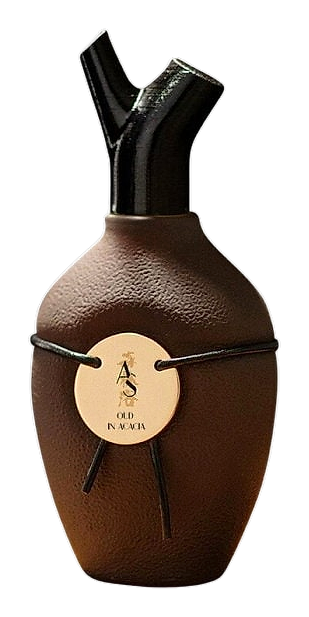
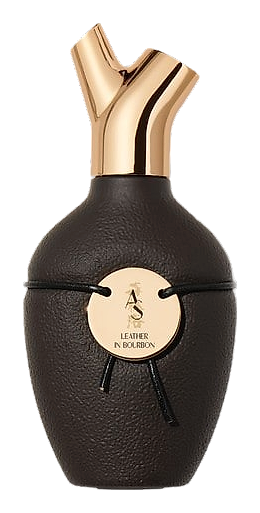
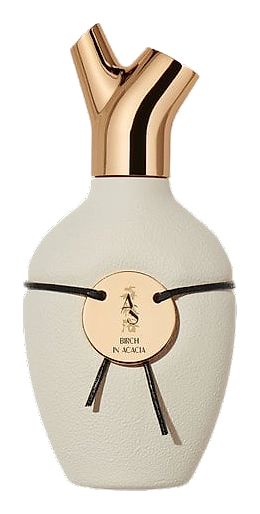
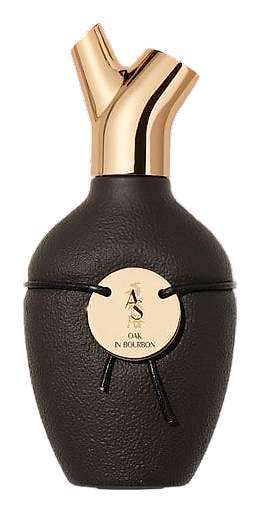
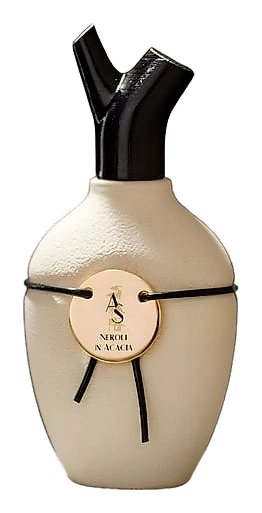
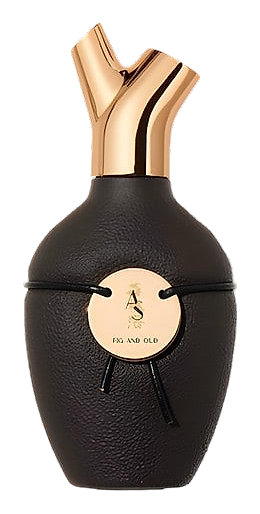
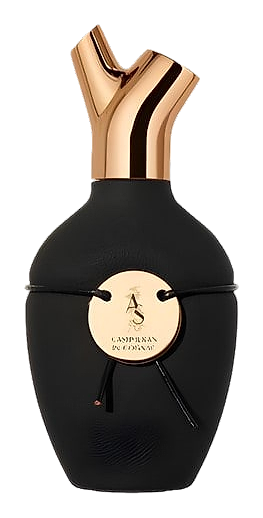
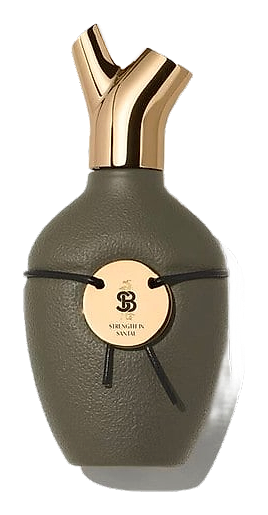
Heritage
A house, in its own words
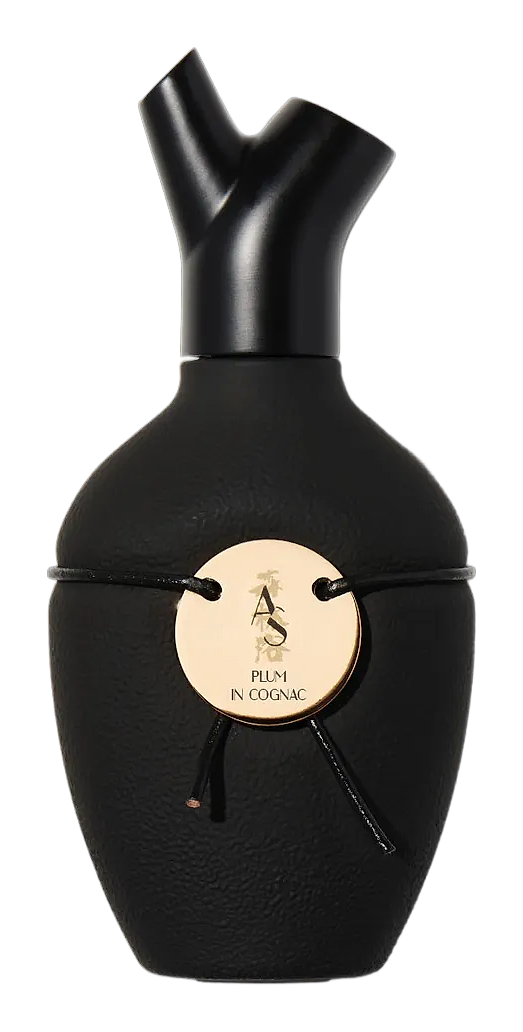
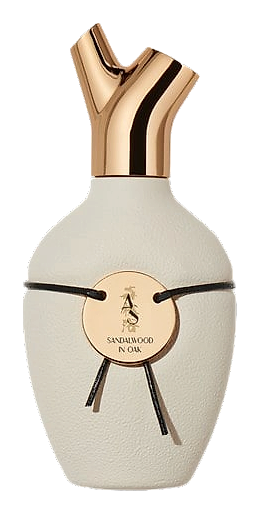
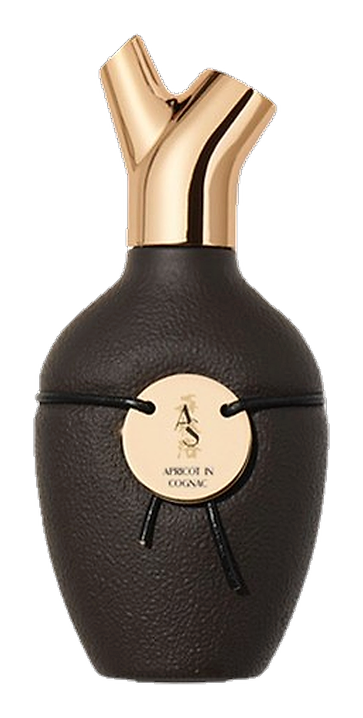
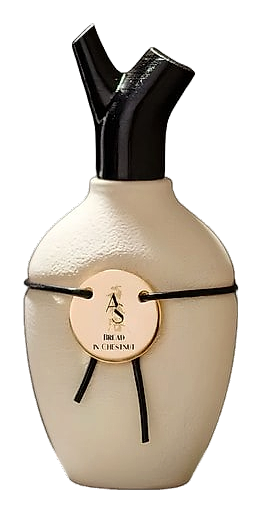
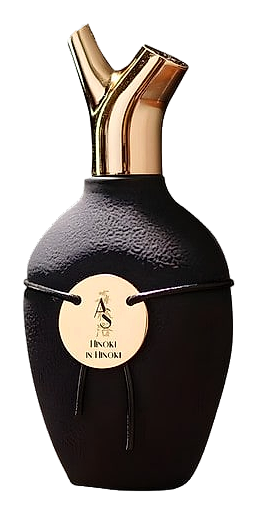
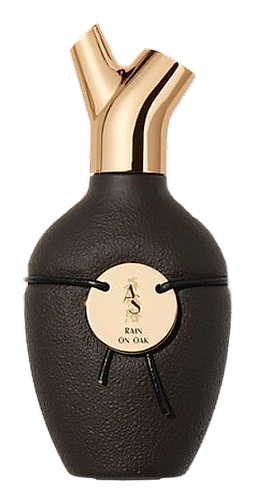
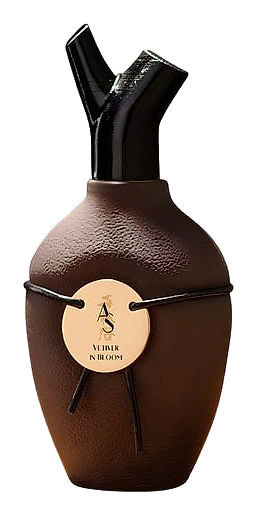
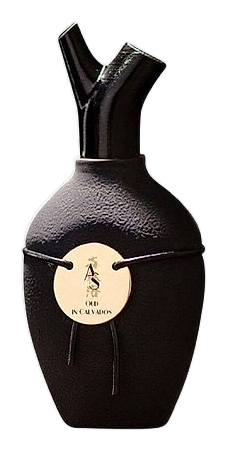
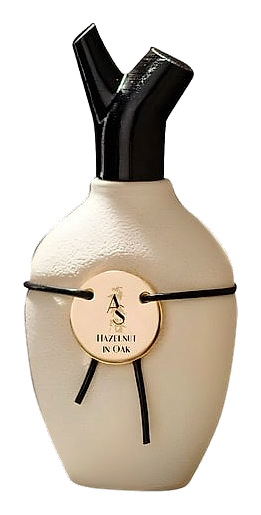
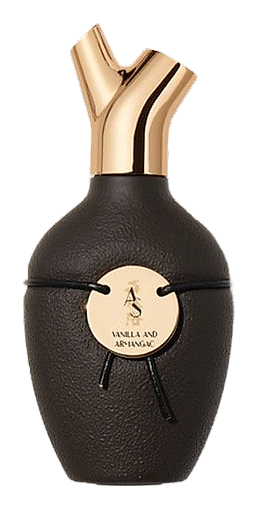
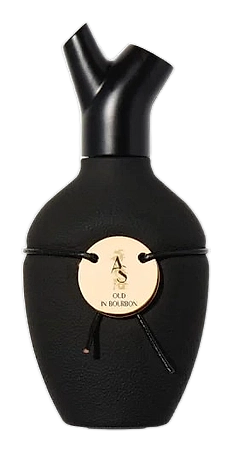
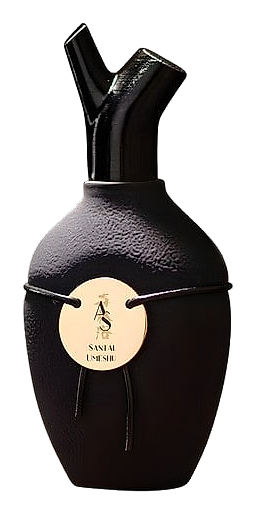
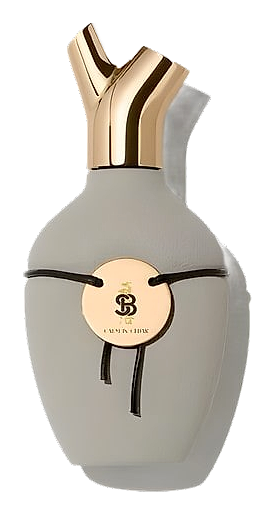
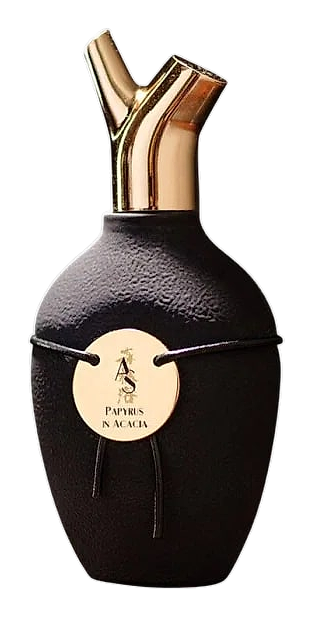
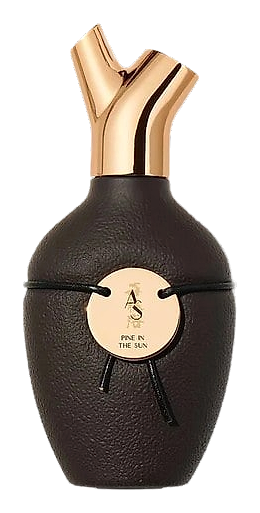
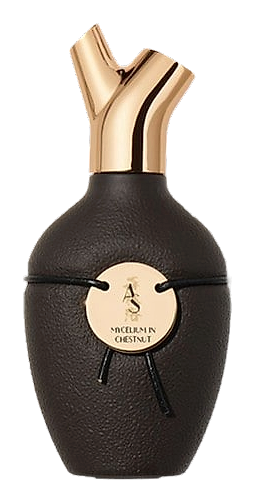
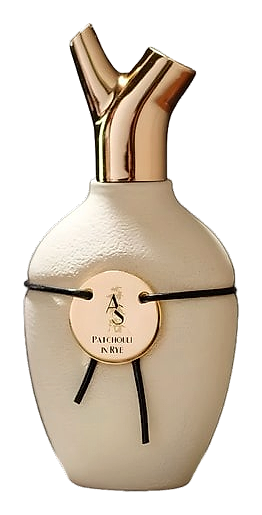
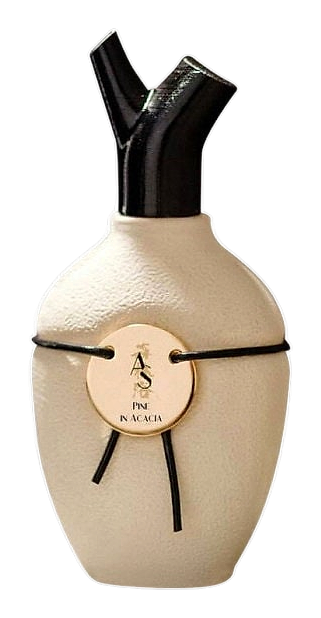
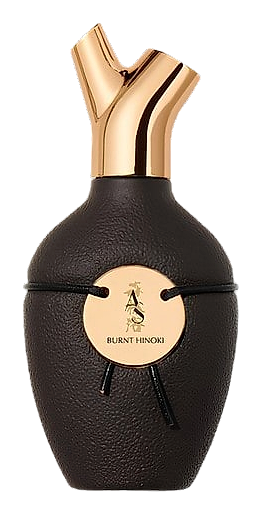
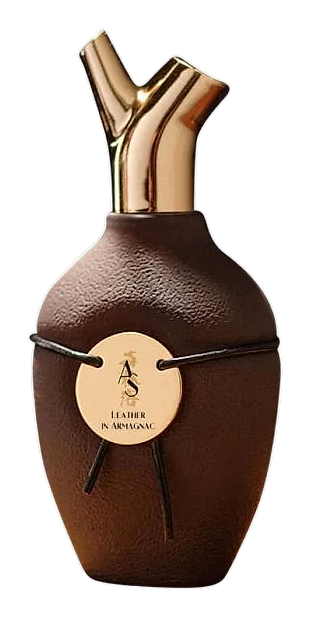
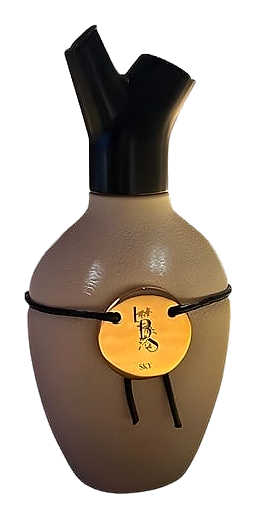
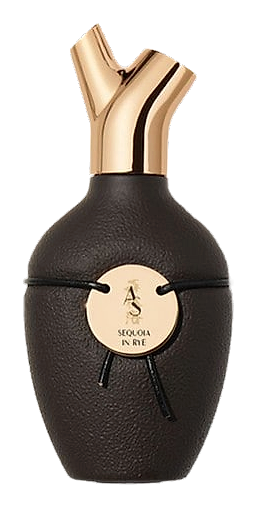
The story of Scents of Wood begins in Provence, France, where founder Fabrice Croisé spent his formative years before building a career in luxury fragrance development at L'Oréal, where he worked on Lancôme fragrances. He later joined an agency specializing in the luxury sector before the entrepreneurial impulse took hold. In 2014, Croisé partnered with American florist Eric Buterbaugh to launch EB Florals, a perfume collection that eventually sold to Puig. This early success provided both capital and confidence for his next chapter. During the industry freeze of 2020, Croisé began writing his next story, one rooted in his surroundings: the forests and mountains of Park City, Utah, where he relocated to pursue skiing and hiking when not working. The move from mainstream luxury to niche perfumery marked a deliberate pivot toward craftsmanship over commercial scale. IFF (International Flavors & Fragrances) partnered with the emerging brand, with Nicolas Mirzayantz (then global president of IFF's Scent division) embracing the unconventional approach to base formulation. Croisé questioned a convention that had stood for 125 years: the use of neutral ethanol as a fragrance base. His proposition was simple yet audacious. Could alcohol move beyond its role as solvent and carrier? Could it become an active ingredient, contributing depth and character? The answer arrived through wooden barrels. By aging organic cane alcohol in vessels previously used to mature fine spirits, the team discovered that the wood transformed the alcohol itself, infusing it with complexity, warmth, and irreplicable richness. This approach rejects the standardization of modern perfumery in favor of organic variation. Each barrel produces a slightly different result, meaning each batch of fragrance carries traces of its specific vessel's history. The philosophy extends to naming conventions, where each scent announces its primary note alongside its barrel origin (Sandalwood in Oak, Oud in Bourbon, Plum in Cognac), making the process transparent to the consumer. Woods, according to Croisé, speak to everyone; their names evoke stories that each wearer finds personally resonant.