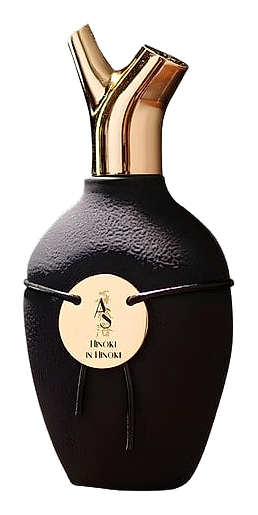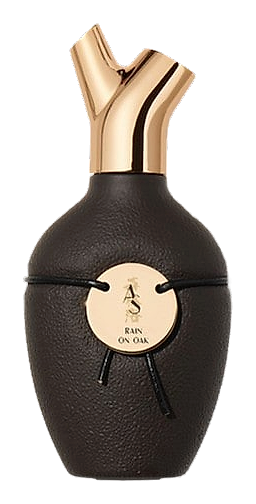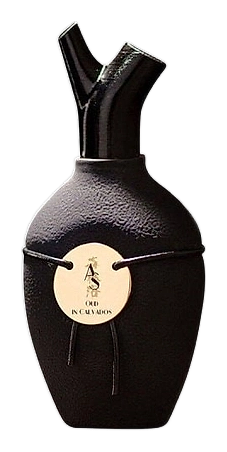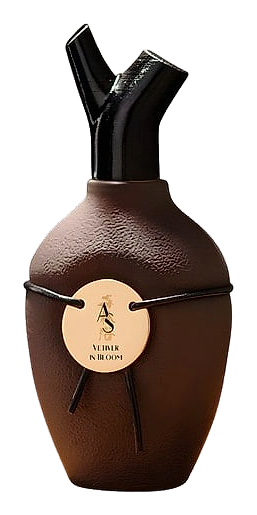
The Story
Why it exists.
The beginning
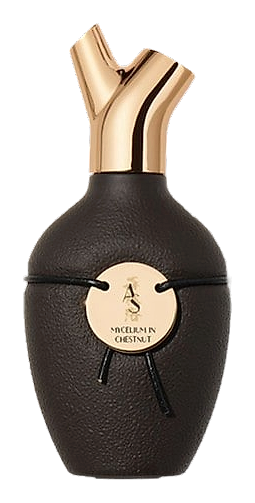
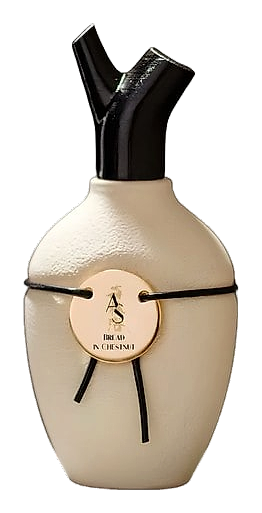
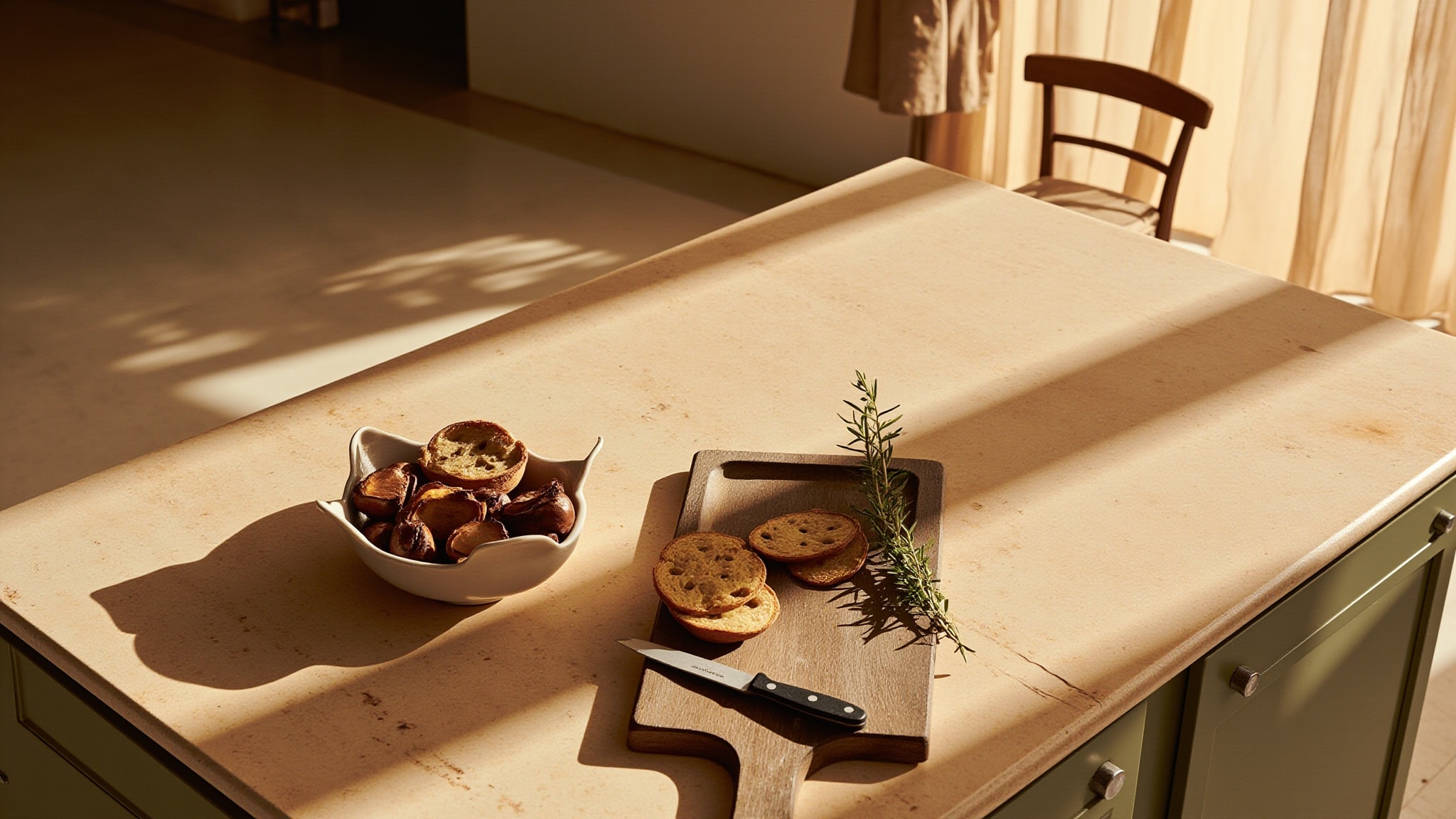
The name says everything and nothing. Bread in Chestnut, two humble ingredients, one luxurious execution. French bran absolute carries the brief: its mouthwatering notes of honey, chocolate, and cereal conjure puffed grains and golden crusts. Perfumer Meabh McCurtin built around that warmth rather than away from it. The result is a fragrance that smells like an autumn kitchen, the real kind, not the candle kind.
What makes Bread in Chestnut worth your attention is the backbone McCurtin gives that bran absolute. Chestnut grounds the sweetness. Aromatic rosemary cuts across it, clean, slightly herbal, keeping the gourmand honest. Then Siam benzoin and frankincense arrive late and shift everything into resinous territory. It's the difference between a snack and a meal. Between smelling good and smelling like you have opinions.
The evolution
The opening hits warm and immediately edible. Wheat and chestnut, with rosemary's herbal edge floating above like steam rising from fresh bread. Within minutes, the grain accord deepens, New Caledonian sandalwood arrives not to dominate but to support, adding creaminess to what could have tipped into strictly sweet. The heart is where this fragrance earns its complexity. French bran absolute persists, but it's no longer alone. Tonka bean absolute layers in that characteristic coumarin sweetness, while patchouli's earthiness prevents anything from floating away. The sillage remains moderate, intimate rather than announcing. By the fourth hour, the drydown settles into something smoky and close. Benzoin's balsamic warmth, a ghost of frankincense, and patchouli's quiet woodiness. On fabric, you'll find the grain note lingering into the next day, stubborn in the best way.
Cultural impact
Bread in Chestnut arrived during a period when edible fragrances had moved beyond simple gourmand tropes. Where previous decades favored sweet vanillas and caramel interpretations of food scents, the Scents of Wood house took a more academic approach. The fragrance draws from French bran absolute, a material with a long history in perfumery that rarely receives center stage. McCurtin's decision to build around grain rather than nut or spice notes positioned the release as an outlier in contemporary fragrance culture. The emphasis on barrel-aged alcohol bases also reflects a broader trend toward texture and depth over linear projection.
The House
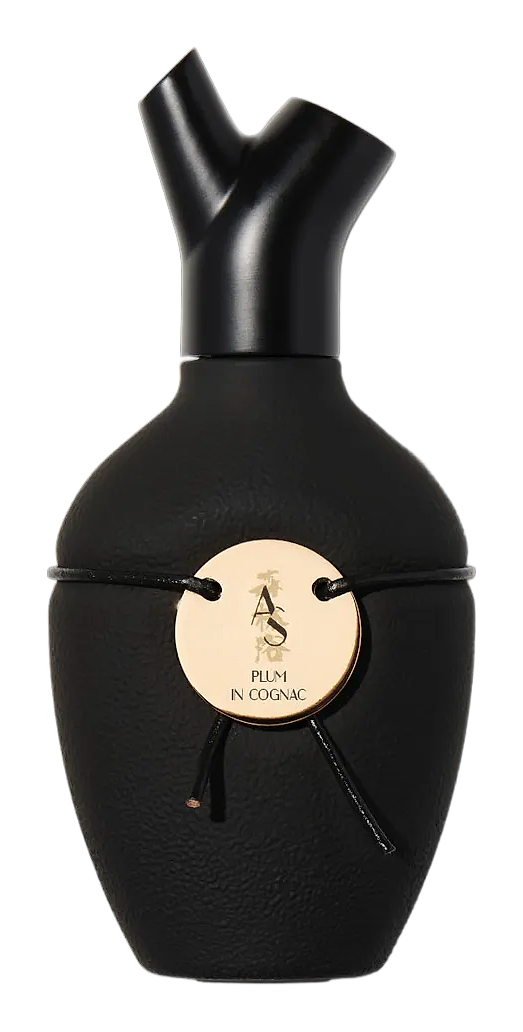
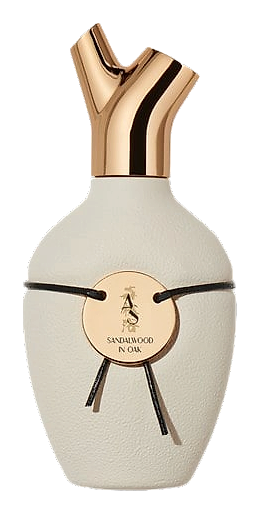
Scents of WoodScents of Wood is a Utah-based fragrance house built around a radical premise: the alcohol base should not merely carry a scent, but become part of it. Founded by former L'Oréal executive Fabrice Croisé, the brand ages organic cane alcohol in pre-used wooden barrels sourced from Scotland, Kentucky, Cognac, and beyond, infusing each fragrance with nuanced layers of whiskey, maple, and aged wood. Operating under three names across markets (Scents of Wood, L'Âme du Bois, Shinrin-yoku), the house presents itself as a love letter to forests and the olfactory world of trees. Top seller Plum in Cognac received the 2021 Fragrance Foundation Perfume Extraordinaire of the Year Award. Perfumer Mackenzie Reilly crafted the signature scent Sandalwood in Oak, released in 2020 alongside the brand's founding.
The Creator
Meabh McCurtinMcCurtin’s signature technique blends rigorous molecular analysis with intuitive layering. She favors transparent, light‑weight bases—often a crystal‑clear aldehyde or a soft musk—onto which she adds hand‑picked botanicals such as Irish heather, wild thyme, or sea kelp.