The Story
Why it exists.
The beginning
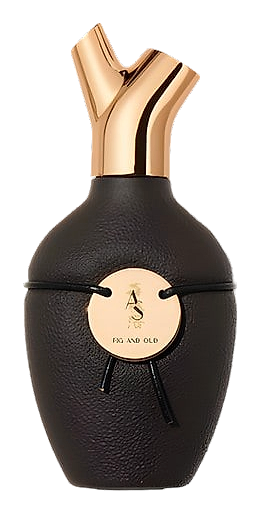
Fig and Oud comes from an exploration of contrasts in perfumery. Perfumer Yves Cassar worked with crisp fig leaf, that bright, green coolness of a garden in full sun, alongside oud. The fragrance captures a tension between lightness and depth, creating an experience that shifts as it develops on the skin. The interplay between these two elements creates something that feels both fresh and mysterious, where bright notes and darker undertones coexist in an uneasy but ultimately harmonious balance.
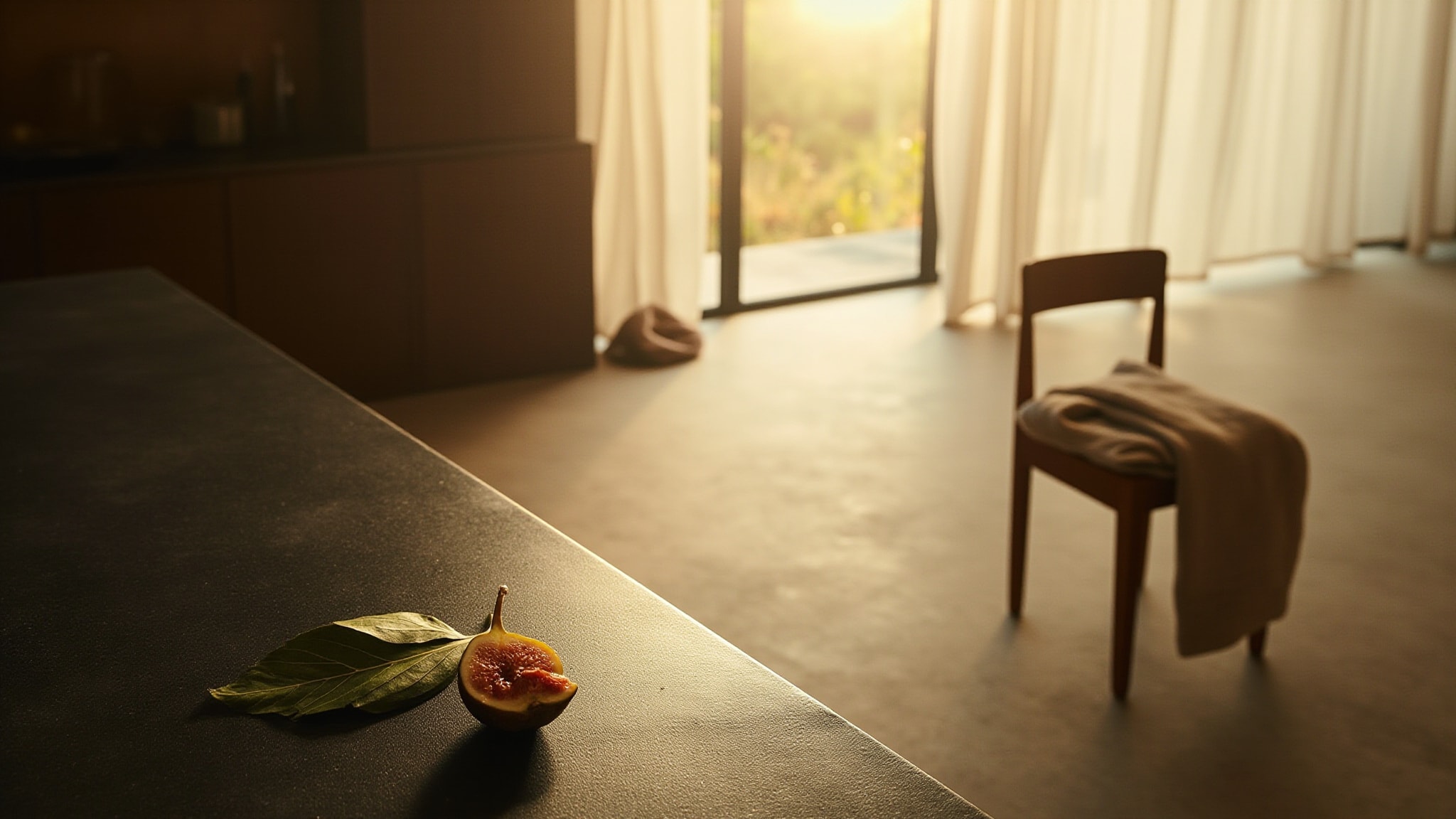
The fig in Fig and Oud isn't the fruit. It's the leaf, green, slightly bitter, cool against warm skin. That matters. This isn't a sweet or creamy fig interpretation. The bright top notes create an initial burst of freshness that feels almost translucent. As the scent develops, the oud enters later, shifting the entire composition into darker territory. The combination suggests a careful balance between freshness and depth, lightness and warmth. There's a moment where the cool, green opening gives way to something more contemplative, the transition feeling natural rather than abrupt.
The evolution
The opening hits cool and green, fig leaf and violet leaf, a Mediterranean garden in morning light. Mimosa and blackcurrant add brightness without sweetness. Cypriol and cedarwood create a woody undertone that deepens everything. The drydown settles into vetiver and tonka bean, warm, slightly sweet, intimate. As the hours pass, the fragrance reveals its complexity. The initial green freshness softens, allowing the woody undertones to become more pronounced. There's a subtle spiciness from the cypriol that emerges, adding depth without overwhelming the other notes. The vetiver brings an earthy, slightly smoky quality that lingers, while the tonka bean provides a soft, warm sweetness that balances the overall composition.
Cultural impact
Fig and Oud arrives as part of a growing collection, offering something that stands apart from more conventional fragrance constructions. The scent builds around a tension between bright green notes and deep, dark oud that perfumers have long found compelling. This particular combination appeals to collectors who appreciate complexity without heavy sweetness, where the interplay between lightness and depth creates something more nuanced than simple accords. The fragrance invites attention from those who value scents that shift and reveal different aspects over time rather than presenting a single, static impression.
The House
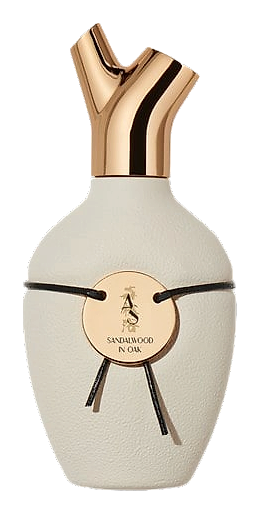
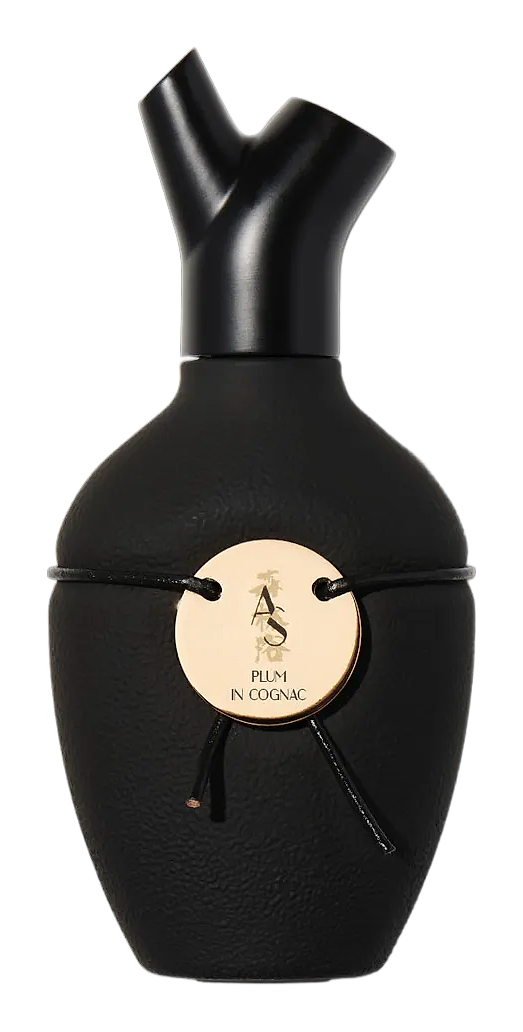
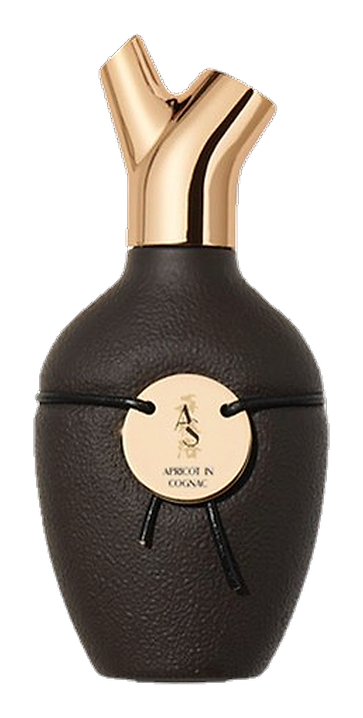
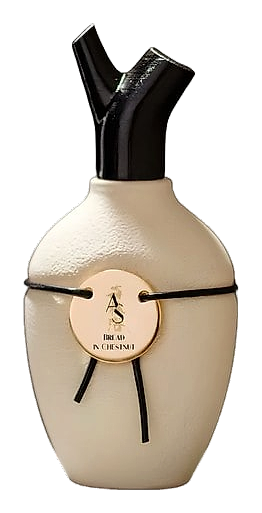
Scents of WoodScents of Wood is a Utah-based fragrance house built around a radical premise: the alcohol base should not merely carry a scent, but become part of it. Founded by former L'Oréal executive Fabrice Croisé, the brand ages organic cane alcohol in pre-used wooden barrels sourced from Scotland, Kentucky, Cognac, and beyond, infusing each fragrance with nuanced layers of whiskey, maple, and aged wood. Operating under three names across markets (Scents of Wood, L'Âme du Bois, Shinrin-yoku), the house presents itself as a love letter to forests and the olfactory world of trees. Top seller Plum in Cognac received the 2021 Fragrance Foundation Perfume Extraordinaire of the Year Award. Perfumer Mackenzie Reilly crafted the signature scent Sandalwood in Oak, released in 2020 alongside the brand's founding.
The Creator
Yves CassarCassar favors a structural approach that starts with a clear backbone—often a mineral or green element—then layers fruit, spice or floral accents around it. Vetiver, which he once compared to an adventurous explorer, appears in many of his compositions, providing earthy depth…