The Story
Why it exists.
The beginning
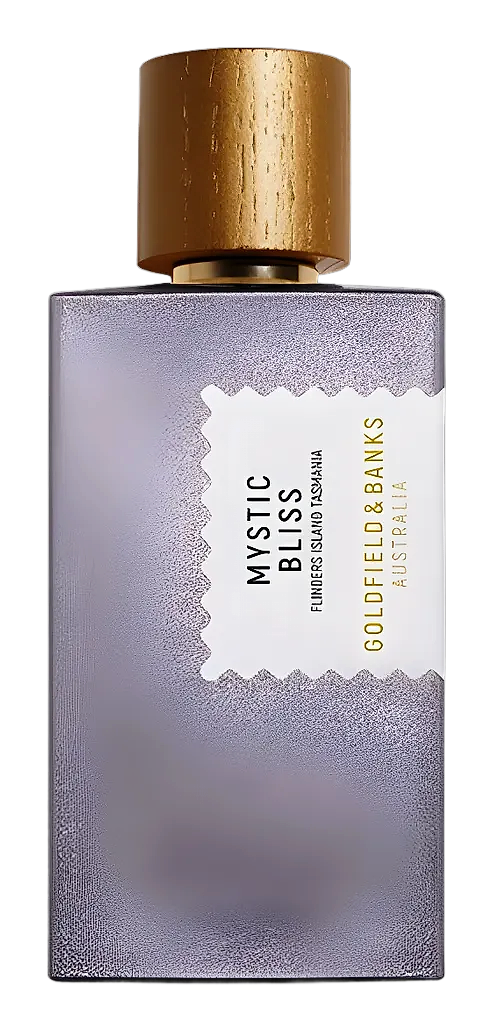
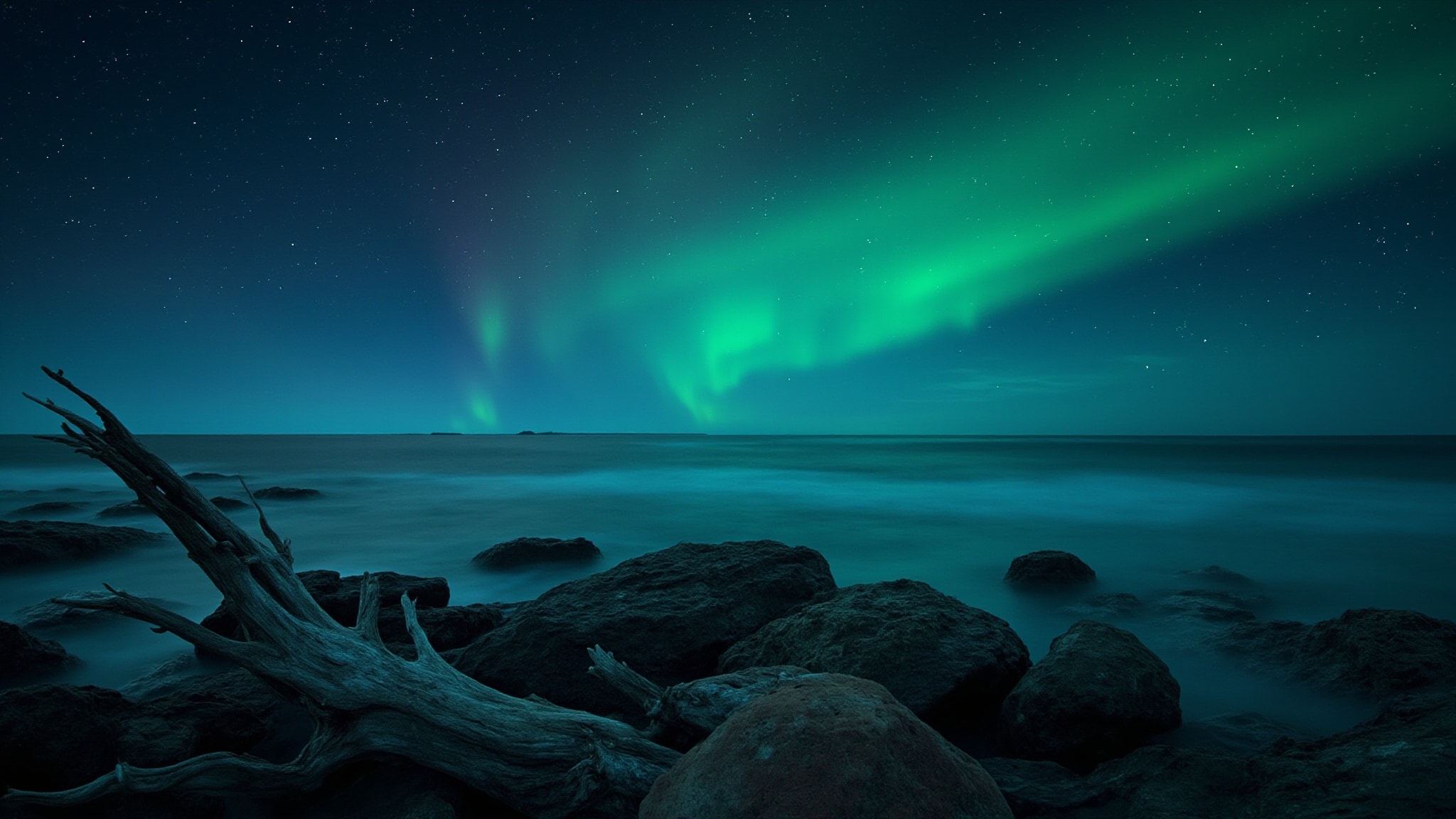
Mystic Bliss is named for Flinders Island in the Bass Strait and the Aurora Australis, that ribbon of green light that sweeps across the Tasmanian night sky. Goldfield & Banks built its identity on Australia's native botanicals, and this scent takes that mission further than most. Perfumer Florian Gallo worked with kunzea, an aromatic shrub endemic to Tasmania, as the structural heart rather than a supporting accent. The idea was to capture a specific quality of light, the aurora's cool brightness softening into something warmer, more grounded.
Kunzea doesn't show up in mainstream perfumery. It's camphoraceous, slightly medicinal, with a resinous depth that reads as both green and amber at once. Gallo paired it against mint and fig, a cool-fruity opening that feels contemporary, then let cedar, orris, and incense build the base. The result is a fragrance that moves from crisp brightness to something more settled, more grounded. The orris is key: it adds powdery warmth that prevents the drydown from going too heavy, keeping the whole composition balanced even as the smoke lingers.
The evolution
The opening minute belongs to mint and blackcurrant, sharp, tart, almost like cold air on skin. Fig arrives quietly, its green milkiness tamed by the blackcurrant's fruit. Around the 30-minute mark, kunzea asserts itself, shifting the character from fruity-aromatic to something earthier, more resinous. The fig doesn't disappear; it recedes, becoming a soft sweetness underneath. By hour two, cedar takes over the base, and the incense becomes apparent, not aggressive smoke, but something warm and slightly powdery. The drydown holds for 6-8 hours depending on skin, projecting moderately throughout. On fabric, it lingers for days. The orris keeps a subtle presence even as everything else fades, making this one of those fragrances that rewards re-entry the next morning.
Cultural impact
Mystic Bliss arrived in 2024 as part of Goldfield and Banks Australia's Native Collection, a growing category that uses perfumery as a vehicle for cultural storytelling. Kunzea, a Tasmanian shrub rarely found outside medicinal contexts, marks a deliberate move to put Australian native botanicals on the global fragrance map. While niche houses have long sourced rare materials from Madagascar, India, and the Middle East, Australia remains underrepresented. Kunzea offers a resinous, slightly medicinal freshness that has no direct counterpart in classical perfumery, forcing fragrance lovers to engage with something genuinely unfamiliar.