Kunzea
Kunzea essential oil captures the wild soul of Tasmania's coastal heathlands. Steam-distilled from the slender terminal branches of Kunzea ambigua, this oil delivers a fresh, cineolic character that bridges eucalyptus clarity with an unexpected peppery depth. A relatively recent discovery in Western perfumery.
Character
How it smells
Wild Tasmanian aromatics with a fresh, cineolic bite.
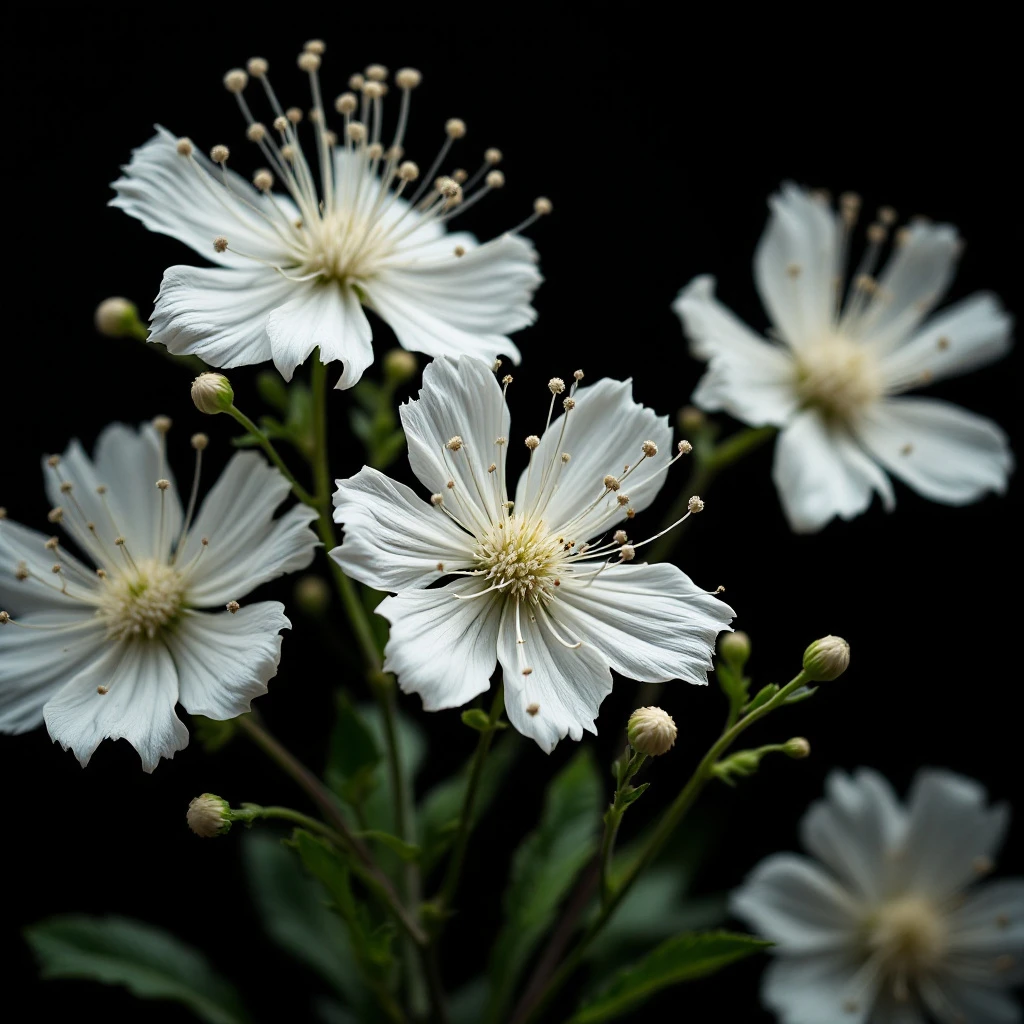
Kunzea grows wild across Tasmania and regularly colonizes the same disturbed soils as its more famous relative, the Tasmanian blue gum (Eucalyptus globulus).
Pairs beautifully with
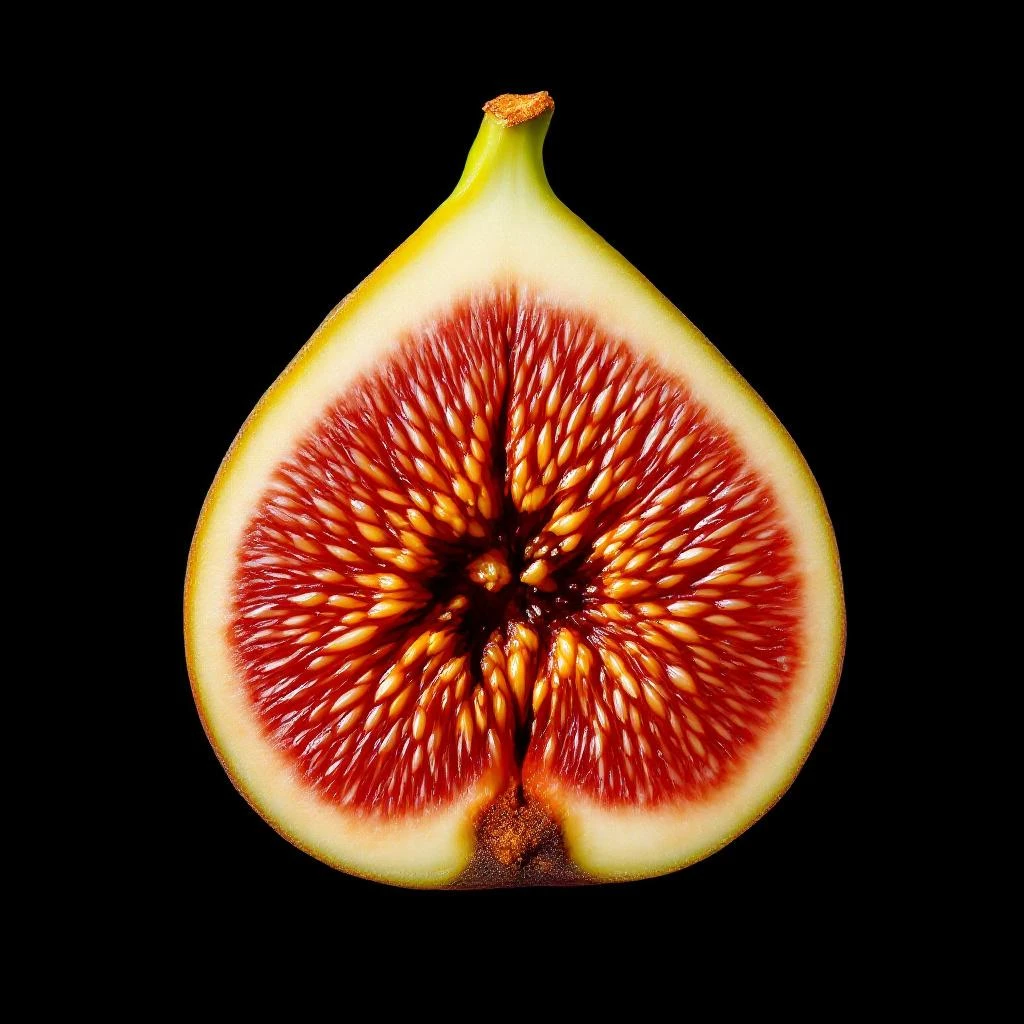
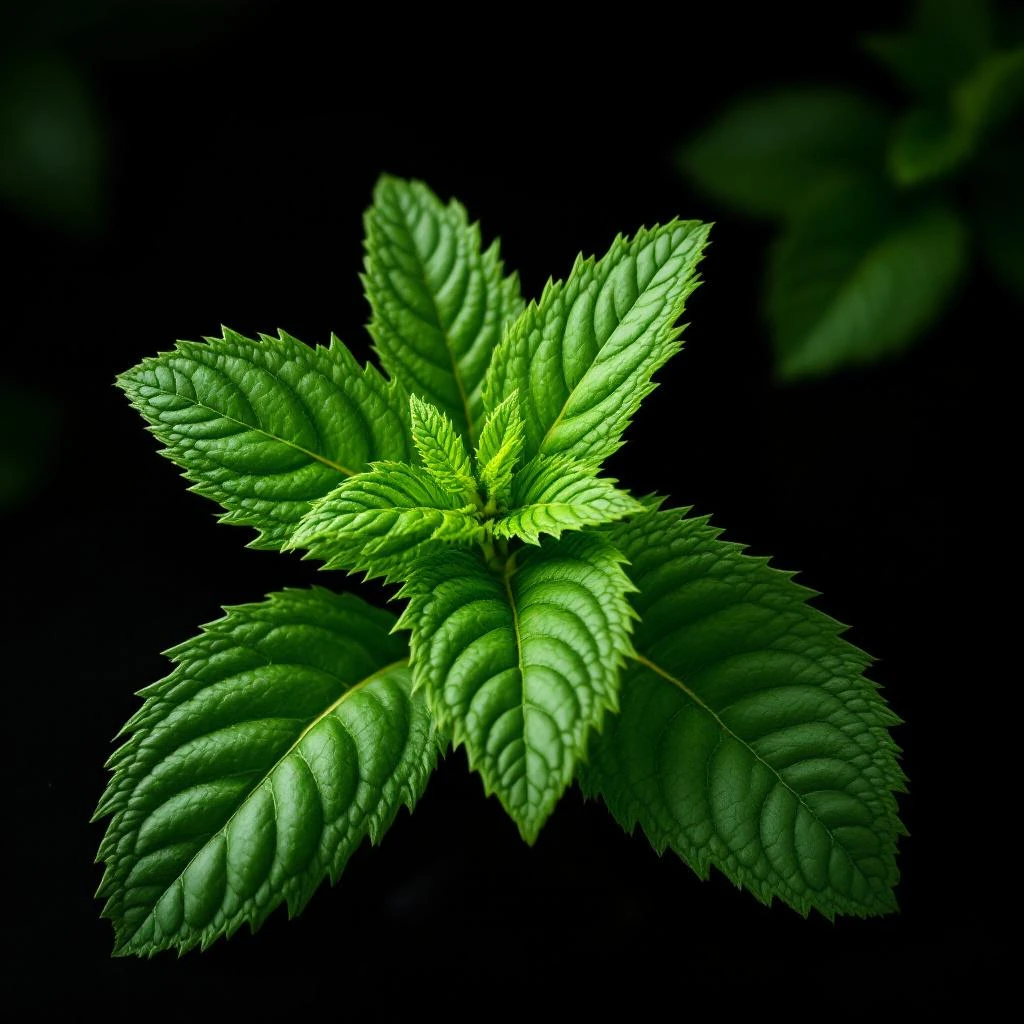



Origin
Australia (Tasmania)
Kunzea remained largely unknown outside botanical circles until the 1990s, when Tasmanian distillation entrepreneurs began systematically exploring their island's aromatic heritage. The plant grows abundantly across Tasmania and several subantarctic islands, often in coastal heathlands and disturbed soils where few commercially valuable species thrive.
Traditional Indigenous knowledge holders in the region certainly understood the plant's medicinal properties, though perfumery applications were never documented before colonial contact. Early commercial interest focused entirely on the agricultural and antiseptic markets, treating Kunzea as a regional substitute for tea tree oil.
Western perfumers only began seriously evaluating Tasmanian essential oils during the broader botanical sourcing revolution that accelerated after 2010. The discovery of Kunzea's olfactory versatility—its ability to read as simultaneously medicinal and subtly sweet—opened a niche in natural fragrance formulators' palettes, particularly for aromatics marketed as cleanly Australian.
Wears it best
Fragrances featuring Kunzea
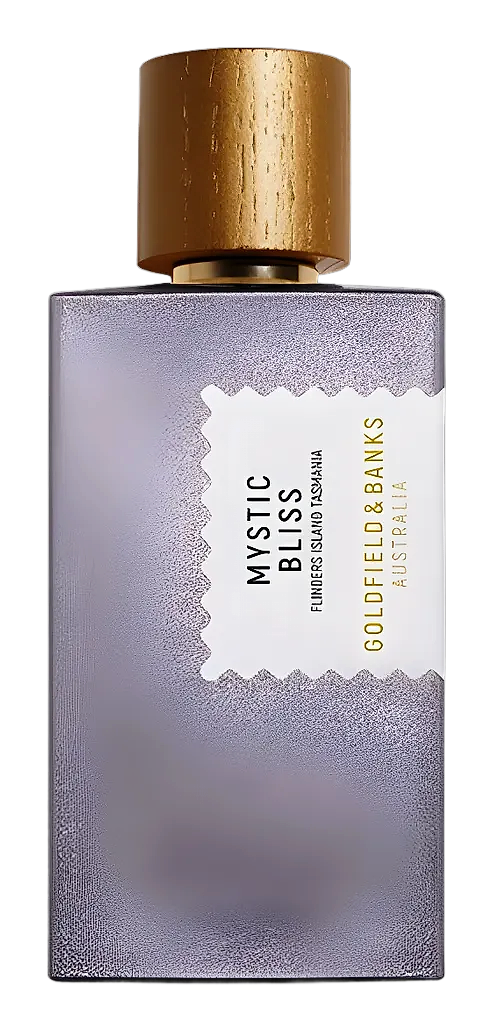
Brands
Brands known for Kunzea
Good to know
Questions, answered
The essentials on Kunzea in perfumery: how it smells, where it comes from, and how it behaves on skin.
What does Kunzea oil smell like?
Kunzea presents a fresh, cineolic fragrance similar to eucalyptus with added peppery and subtle balsamic undertones. Its aroma profile is cleaner and less medicinal than tea tree, with a pleasant earthiness that rounds out the brightness.
Which perfumery extraction methods apply to Kunzea?
Steam distillation is the standard commercial method for Kunzea essential oil. The process extracts volatile compounds from the terminal branches and leafy materials without using solvents, producing a pure essential oil suitable for fine fragrance applications.
What is the primary aromatic compound in Kunzea?
1,8-Cineole (eucalyptol) dominates Kunzea's chemical composition, typically accounting for 45 to 65 percent of the oil. This compound delivers the oil's characteristic fresh, medicinal top note shared with eucalyptus and rosemary.
How long has Kunzea been used in perfumery?
Kunzea entered Western perfumery circles around 2010 to 2015 when formulators began sourcing Tasmanian botanical oils more systematically. Its use remains niche compared to established ingredients like sandalwood or bergamot.
Is Kunzea considered renewable or sustainable?
Kunzea ambigua grows vigorously across Tasmania as a pioneer species, regenerating rapidly in disturbed soils. Responsible producers harvest terminal branches selectively, allowing the shrubs to resprout. This makes well-sourced Kunzea a relatively sustainable option compared to slow-growing woods.
What fragrance family does Kunzea belong to?
Kunzea reads as an aromatic asset, placing it within the herbal/green fragrance family. Perfumers often position it alongside tea tree, manuka, and eucalyptus as a fresh, ozonic top-note ingredient in natural-leaning compositions.
Can Kunzea be synthetically replicated?
1,8-Cineole, Kunzea's main component, is commercially synthesized and widely available. However, the complete oil's more complex balance of sesquiterpenes and minor constituents gives the natural extract a layered character that synthetic substitutes only partially replicate.
What regions produce Kunzea oil commercially?
Tasmania and its surrounding islands, particularly Flinders Island, represent the primary commercial production region. The island's cool climate and unique soils contribute to distinct chemotypes with higher sesquiterpene complexity compared to mainland Australian Kunzea populations.