

The Story
Why it exists.
The beginning
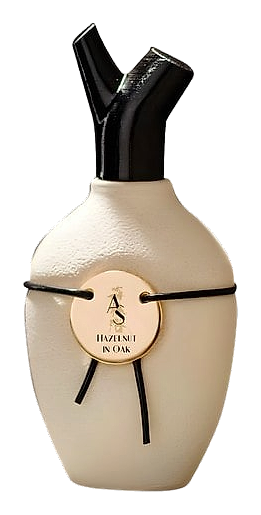
The brief was simple on paper: hazelnut and oak, working together. Pascal Gaurin had to find the frequency where those two materials could coexist without one drowning the other. Hazelnut carries duality within itself, fresh and green when unroasted, warm and toasted when roasted. Oak carries weight. Depth. The barrel. The brand's signature process of aging cane alcohol in pre-used wooden casks meant that oak was already in the DNA of this house. Hazelnut in Oak became an exercise in restraint, letting both materials speak at their own volume, then stepping back.
What makes this composition unusual is the balance between juicy and dry. Most nutty fragrances lean heavily into gourmand territory, sweet, edible, immediately likable. Hazelnut in Oak keeps one foot in the green, ozonic world. The Egyptian violet leaf absolute and fig leaf push the opening into a territory closer to a fresh herbal scent than a dessert. The oak isn't a supporting player here, it's the structure everything else hangs from. Cashmeran adds a powdery softness that prevents the whole thing from reading too sharp or too austere.
The evolution
The opening arrives quickly, citrus oil brightness, mandarin juice, the green snap of violet leaf. For about thirty minutes, the composition reads almost aquatic, fresh, with hazelnut lurking beneath the surface like a background thought. Then the oak expands. Not aggressively, more like a door opening into a bigger room. The hazelnut clarifies into something roasted, warm, slightly sweet. Jasmine sambac adds a nectar quality that rounds the edges. By hour three, the drydown settles into cashmeran and musk, powdery, close to skin, intimate. The longevity data points to an 8-10 hour arc, though reviewers note it becomes quieter after the first few hours. On fabric, it hangs around longer than on skin, a faint woody sweetness the next morning.
Cultural impact
Scents of Wood occupies a specific niche in the modern fragrance landscape, the craft distillery approach to perfumery. Where other indie houses emphasize natural ingredients or rare materials, Scents of Wood bets on process: time, wood, and patience. Hazelnut in Oak fits into this philosophy without being defined by it. The dual oak presence, as both a named note and a barrel-aging medium, makes it a quiet statement about what the brand does differently. Wearers who gravitate toward it tend to appreciate the restraint, the green freshness that prevents the nuttiness from becoming edible or cloying.
The House
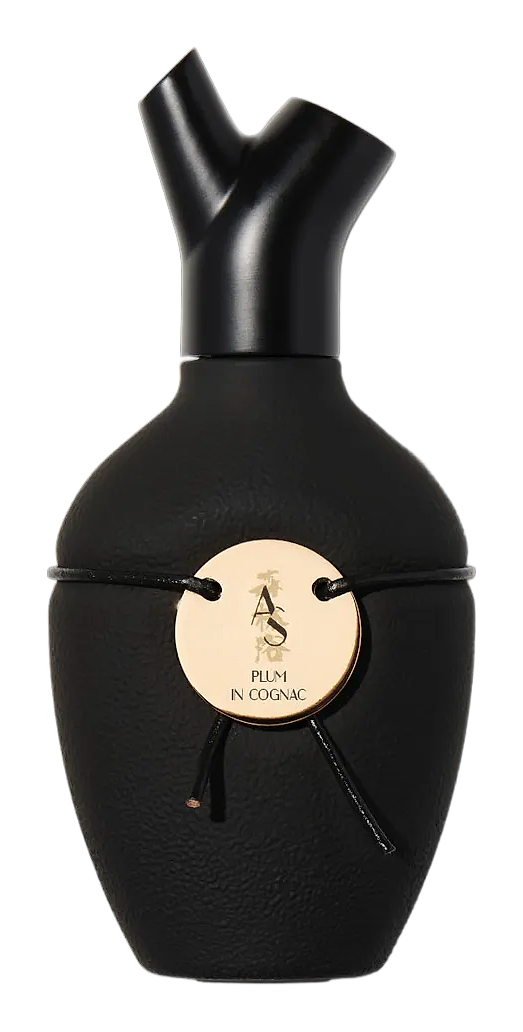
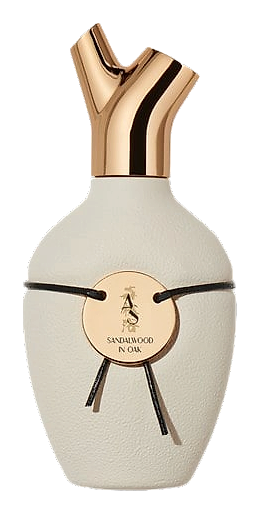
Scents of WoodScents of Wood is a Utah-based fragrance house built around a radical premise: the alcohol base should not merely carry a scent, but become part of it. Founded by former L'Oréal executive Fabrice Croisé, the brand ages organic cane alcohol in pre-used wooden barrels sourced from Scotland, Kentucky, Cognac, and beyond, infusing each fragrance with nuanced layers of whiskey, maple, and aged wood. Operating under three names across markets (Scents of Wood, L'Âme du Bois, Shinrin-yoku), the house presents itself as a love letter to forests and the olfactory world of trees. Top seller Plum in Cognac received the 2021 Fragrance Foundation Perfume Extraordinaire of the Year Award. Perfumer Mackenzie Reilly crafted the signature scent Sandalwood in Oak, released in 2020 alongside the brand's founding.
The Creator
Pascal GaurinGaurin's olfactive signature centers on deep sensuality and emotional clarity. He gravitates toward dense materials: resins, deep woods, rich absolutes that coat the air with presence.