
The Story
Why it exists.
The beginning
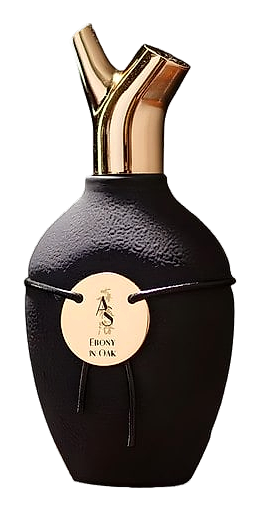
Ebony in Oak started with a question: what happens when you treat dark wood not as a base note, but as the whole point? Ebony has always been rare, dense, secretive, the kind of material that keeps its structure hidden under layers of lacquer and age. Yves Cassar built this fragrance around that silence, layering cocoa absolute against it to create a pairing that sounds simple and isn't. Saffron, cardamom, and pink pepper arrive as precision instruments, bright, almost metallic, capable of cutting through the density. Then the suede softens everything. The tonka bean sweetens the argument without winning it. Ebony in Oak is a fragrance for someone who already knows what they want and didn't need anyone to explain it.
What makes this composition unusual is the deliberate refusal to resolve its own tension. Cocoa absolute and ebony wood are both dark materials, but they pull in opposite directions, cocoa is bitter, almost edible; ebony is mineral, ancient, architectural. Cassar doesn't try to reconcile them. Instead, the spices and the suede create a bridge that makes the contrast feel intentional rather than accidental. The tonka bean adds warmth without softening the structure. Everything in Ebony in Oak is warm, but nothing is soft. That's the distinction.
The evolution
The opening announces itself in under a minute, saffron first, then pink pepper arriving with the kind of clean heat that reads almost metallic on the skin. Cardamom lingers in the background, keeping the spice from becoming sharp. For the first thirty minutes, Ebony in Oak is brighter than anyone expects from the name. Then the cocoa absolute arrives, dark and almost bitter, and the ebony wood begins to show its actual character, dense, mineral, with a resinous quality that feels like something ancient exhaling. The suede emerges quietly, softening the edges without diluting them. What lingers is the barrel-aged cane alcohol underneath everything, a warmth that reads less like a note and more like a foundation. The drydown holds for eight to ten hours on most skin, intimate and close, never announcing itself but impossible to ignore the next morning.
Cultural impact
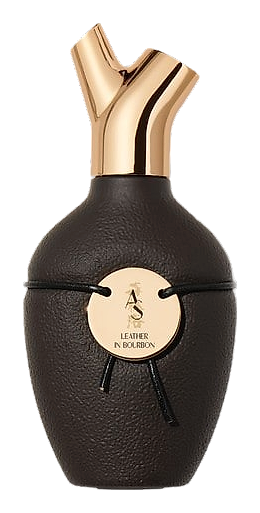
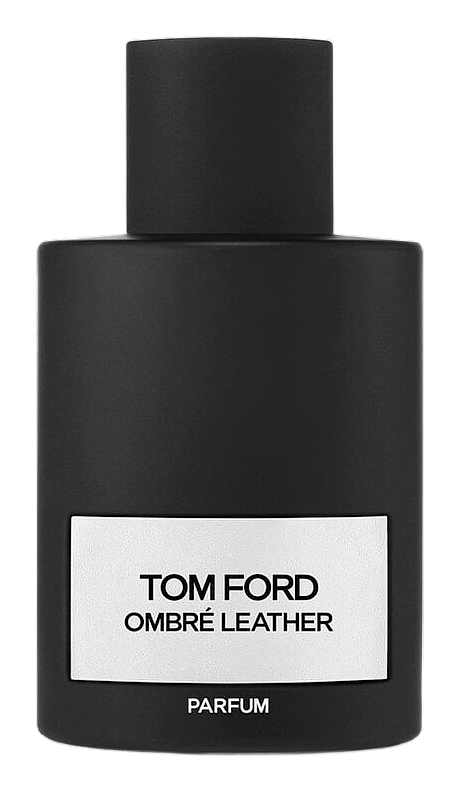
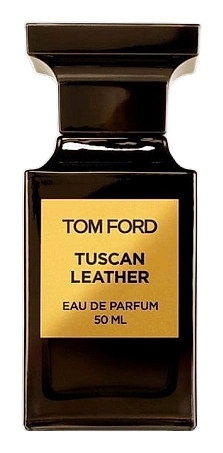
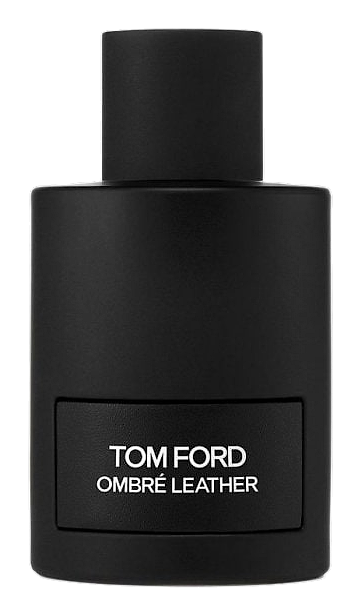
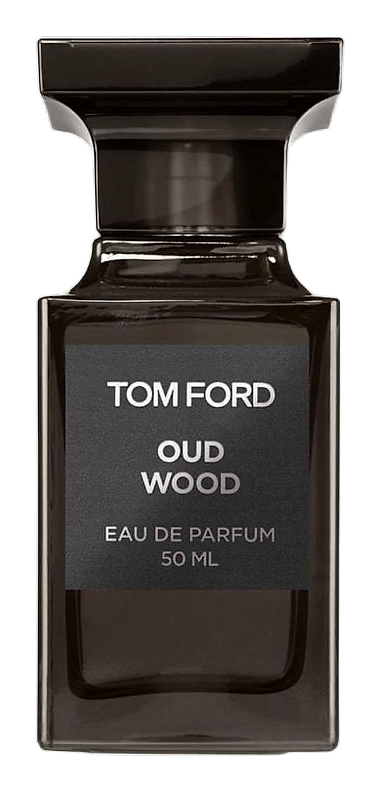
Scents of Wood arrived in 2021 as a new American niche house, positioning itself against European heritage brands by using barrel-aged cane alcohol and unusual wood materials like ebony. Ebony in Oak specifically entered a market crowded with dark leathery fragrances, but its cocoa-ebony tension offered something distinct from the more reconciled sweetness of Tom Ford's leather line. The house's approach of treating wood not as a base note but as a structural material reflects a broader shift in niche perfumery toward architectural compositions that refuse easy categorization. This cultural moment, where indie houses challenge the resolved polish of designer releases, finds a clear example in Ebony in Oak's deliberately unresolved cocoa-leather heart.