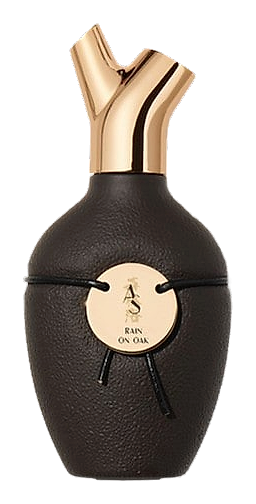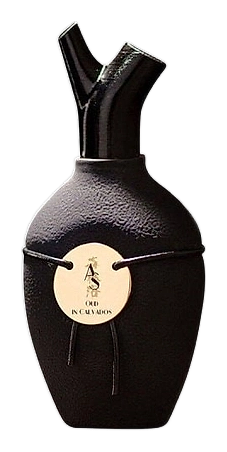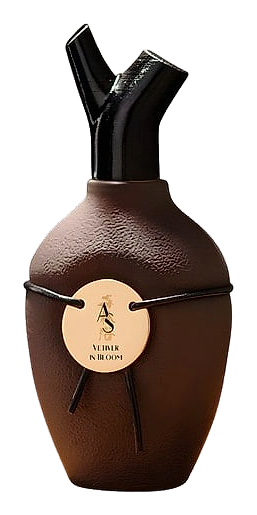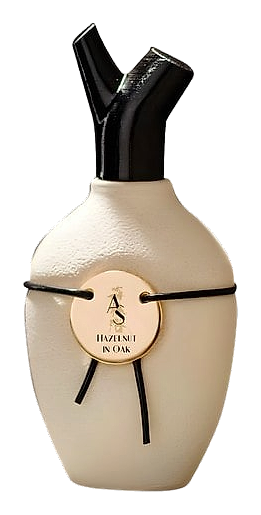

The Story
Why it exists.
The beginning
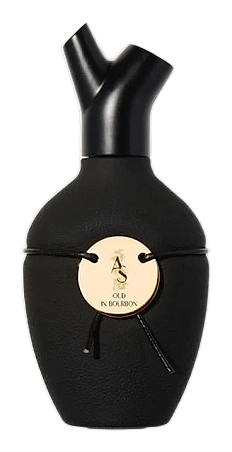
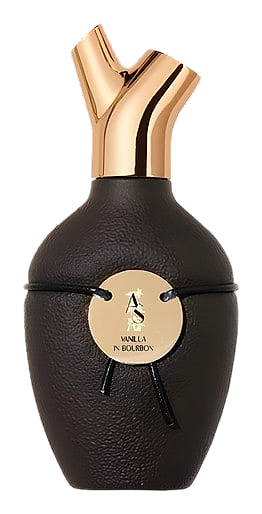
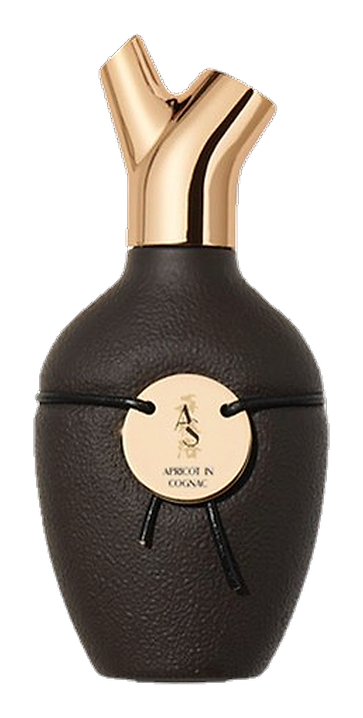
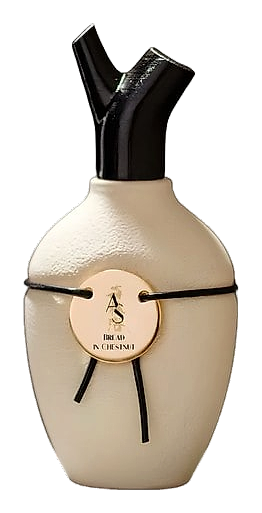
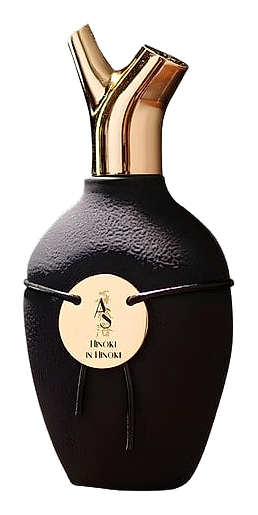
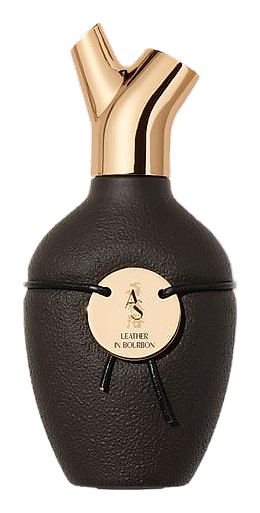
The Scents of Wood house asks one question: what if the alcohol weren't neutral? What if it carried its own history? Leather in Bourbon answers that by design. The result is leather that reads more as landscape than material. The opening arrives mineral and cool, a dry earthiness that sets the stage before warmth begins to accumulate. There is a rawness here, something unrefined that speaks to the materials chosen rather than any processed accord. As the composition develops, the leather emerges gradually, taking its time to assert itself rather than announcing its presence immediately. The mineral quality persists throughout, a thread connecting each layer as they build upon one another.
The leather in this composition carries a mineral, smoky quality that some might expect to dominate, yet it stays in conversation with the other elements rather than overwhelming them. The bourbon barrel influence is present as a temperature, warm and resinous, with a faint sweetness that pools rather than projects. The heart notes create a bridge between the cooler opening and the warmth that follows, moving the wearer from something mineral and restrained toward something deeper and more layered.
The evolution
The opening hits mineral and dry, almost ashen. Birch tar arrives first, setting a smoky, mineral tone that establishes the composition's direction before anything else can compete. Within minutes, the leather begins its work, taking the edge off the mineral bite and softening what came before into something worn rather than sharp. There is a brief lift that adds brightness without sweetness, a hint of lift before the leather fully commits to its course. The heart phase introduces warm resins and amber, a faint sweetness that pools rather than projects. Patchouli and sandalwood keep the leather honest and dry, grounding the composition in something genuine. By hour three, the fragrance has settled into something intimate, powdery iris, warm styrax, the ghost of what was a sharp opening. On fabric, it lingers well into the next day.
Cultural impact
Leather in Bourbon arrives at a moment when leather has moved from masculine default to considered choice. The Scents of Wood house built its debut around cane alcohol that carries its own character, challenging the notion that leather fragrance must reference a single tradition. By leading with a mineral, smoky character rather than a conventional leather accord, the fragrance speaks to wearers who find traditional leather references too literal. The brand identity ties scent to craft, making the fragrance legible as an object with a history rather than a generic product.
The House
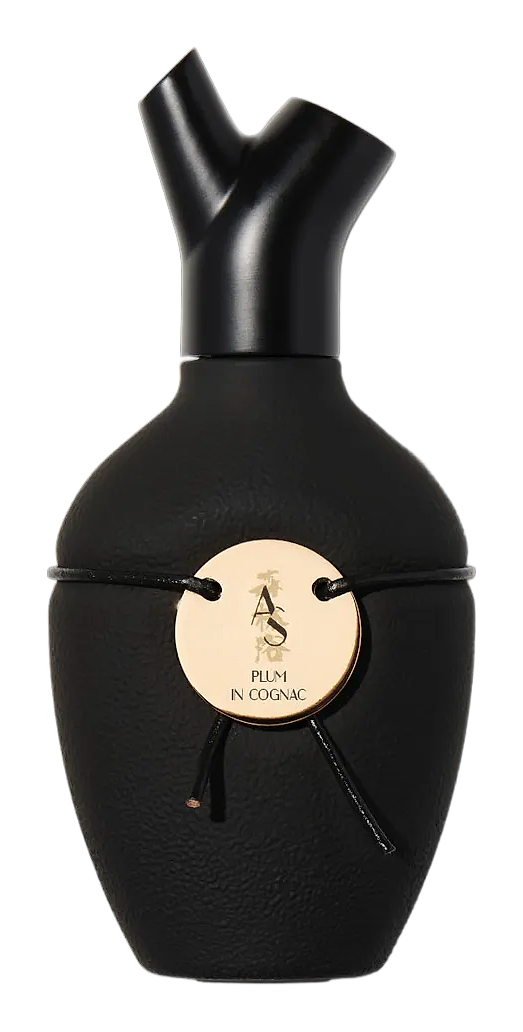
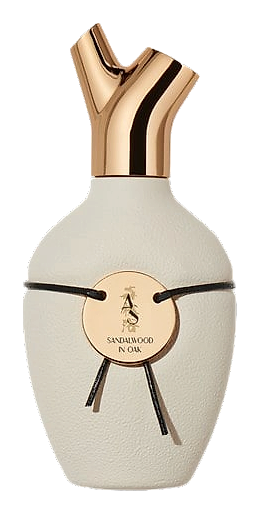
Scents of WoodScents of Wood is a Utah-based fragrance house built around a radical premise: the alcohol base should not merely carry a scent, but become part of it. Founded by former L'Oréal executive Fabrice Croisé, the brand ages organic cane alcohol in pre-used wooden barrels sourced from Scotland, Kentucky, Cognac, and beyond, infusing each fragrance with nuanced layers of whiskey, maple, and aged wood. Operating under three names across markets (Scents of Wood, L'Âme du Bois, Shinrin-yoku), the house presents itself as a love letter to forests and the olfactory world of trees. Top seller Plum in Cognac received the 2021 Fragrance Foundation Perfume Extraordinaire of the Year Award. Perfumer Mackenzie Reilly crafted the signature scent Sandalwood in Oak, released in 2020 alongside the brand's founding.
The Creator
Celine BarelBarel favors a restrained, mineral freshness that appears most clearly in her work for Aesop, particularly Tacit and Aurner, where citrus and wood build something both spare and lasting. Her zoological work for Zoologist, including Squid and Dragonfly, shows a different regist…